



Vintage Wooden Trencher
A vintage wooden trencher serves as both a practical household vessel and a striking rustic display piece, offering centuries of domestic history for your home.
Vintage Wooden Trencher
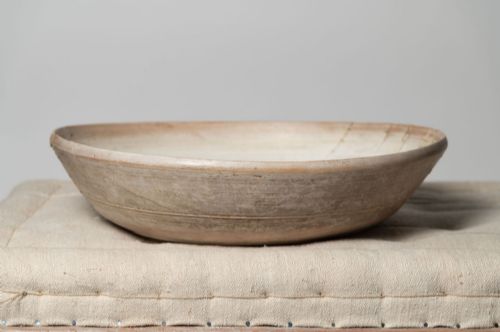
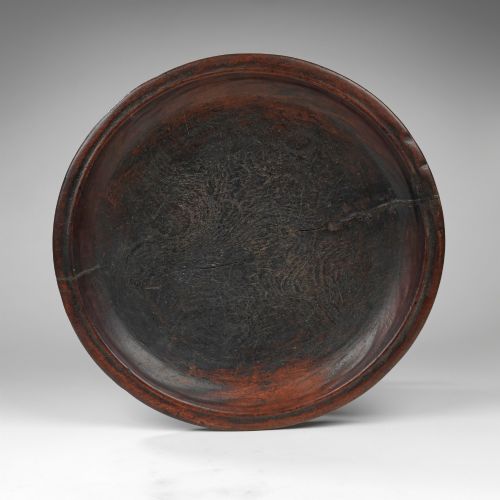
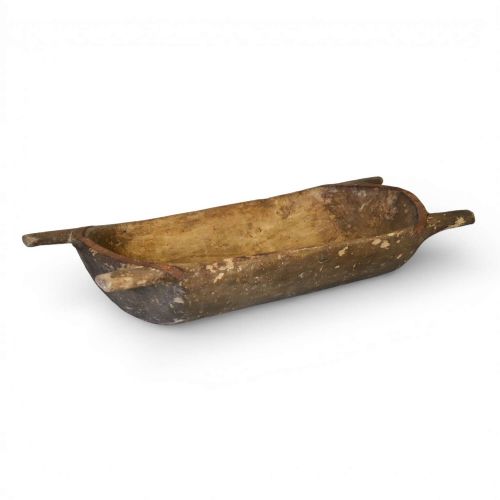
Buyers will encounter various regional forms reflecting domestic traditions across different European countries and Britain. These pieces range from primitive dug-out bowls and turned Georgian vessels to large painted dairy bowls and French farmhouse kneading troughs.
The materials and styles demonstrate traditional craftsmanship, utilising native timbers shaped for daily rural life. Items such as cheese and bread boards Sit alongside deep serving dishes, showing how timber was utilised for culinary tasks before modern manufacturing.
Materials and construction methods
Makers shaped these items from solid timber using traditional hand tools, often digging out single blocks of wood to form sturdy bowls. Varieties such as pine, sycamore, burr walnut, and maple provide the dense foundation required for heavy kitchen tasks like kneading dough.
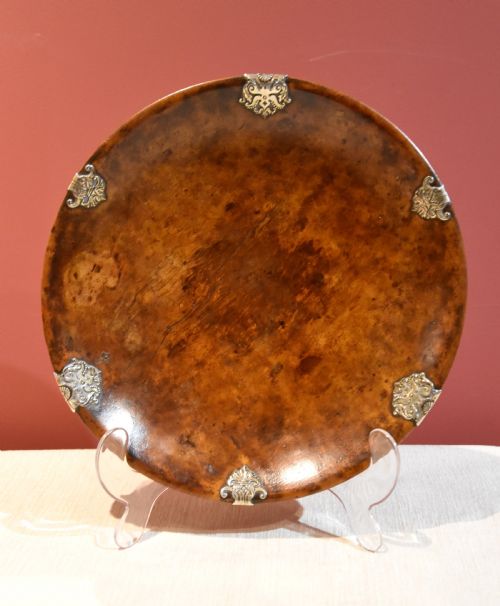
Surface treatments vary from hand-polished finishes that highlight the natural grain to historic painted surfaces found on Scandinavian examples. Some pieces incorporate iron or silver mounts to strengthen or decorate the wooden structure, while others rely purely on centuries of accumulated patina.
Listings span the eighteenth century, the nineteenth century, nineteen hundred, and the nineteen thirties, featuring pine, burr wood, and painted timber.
Assessing quality in antique treen
Quality rests in the integrity of the original carving and the depth of the natural patina accumulated through decades of use. Pieces that retain their original paint or display untouched tool marks command greater interest from collectors.
Proportion and scale distinguish finer examples, particularly large dug-out bowls and kneading troughs with substantial depth and weight. The choice of timber also influences the character, with figured woods like burr walnut offering distinct visual presence compared to standard utilitarian pine.
The Vintage Wooden Trencher Glossary
- Trencher
- A wooden platter or bowl historically used for cutting or serving food. These pieces form the core of early domestic treen collections.
- Treen
- Small handmade wooden domestic objects. This encompasses everything from bowls and spoons to dairy equipment and serving boards.
- Patina
- The surface sheen and colour developed through handling, age, and waxing over many decades. A rich patina indicates long use and proper care.
- Dug-out bowl
- A vessel carved from a single solid block of timber rather than constructed from staves. This method ensures maximum strength for heavy agricultural or culinary work.
- Dairy bowl
- A wide, shallow vessel historically used for setting milk to separate cream. These often feature durable native hardwoods like sycamore.
Vintage Wooden Trencher: Frequently Asked Questions
What is a wooden trencher used for?
Historically, a trencher served as a wooden board or bowl for cutting bread, serving meat, or preparing meals in the farmhouse kitchen. Today, collectors primarily use them as decorative display items, fruit bowls, or centrepieces that bring rustic warmth to modern interiors.
Their robust construction means they remain entirely functional for everyday use if treated with care and appropriate food-safe oils.
How old are these wooden bowls?
The pieces listed span multiple periods, ranging from eighteenth-century examples to items made around nineteen hundred and into the early twentieth century. Each era brings distinct manufacturing traits, from early hand-dug primitive vessels to later turned and mounted designs.
Examining the tool marks, timber choice, and surface wear helps determine the approximate age and origin of an individual piece.
How do I care for antique treen?
Antique wooden vessels require gentle maintenance to preserve their historic dry surfaces and rich patinas. Avoid submerging them in water or putting them in a dishwasher, as moisture causes old timber to warp and split.
Instead, wipe them clean with a damp cloth and occasionally treat the wood with natural beeswax or mineral oil to nourish the dry fibres.
How can I tell different regional styles apart?
Regional characteristics often show in the choice of timber and the specific form of the vessel. For example, Scandinavian pieces frequently display historic painted finishes, while British and French farmhouse items tend to showcase the raw grain of native timbers like sycamore and pine.
Turned Georgian bowls exhibit precise lathe work, contrasting with the primitive, uneven charm of earlier dug-out folk art pieces.