



Primitive Wooden Vessel
A primitive wooden vessel brings honest, hand-carved utility into a room through the simple weight of its age and material.

Primitive Wooden Vessel
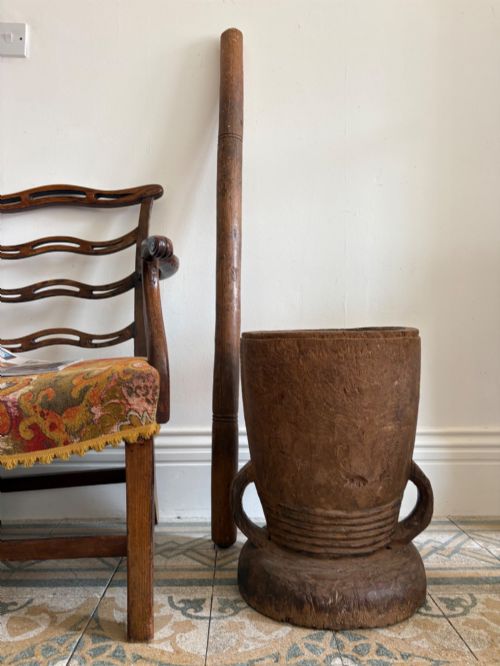
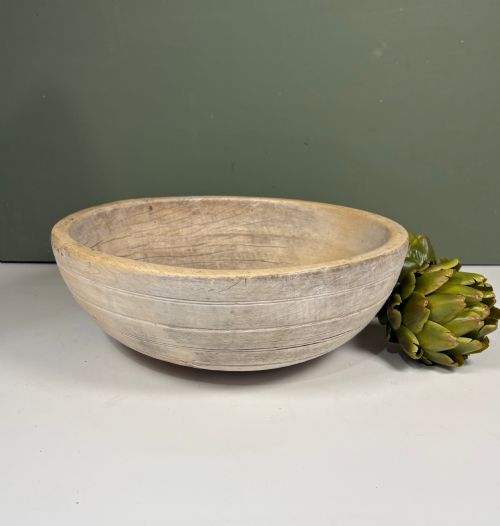
A primitive wooden vessel encompasses hand-carved objects shaped from timber, ranging from dairy bowls and planters to grain mortars and tree trunk containers. These pieces emerge from traditions across Swedish country, African tribal, Chinese country, and English rustic folk art contexts. The listings here frequently present sycamore dairy bowls from the nineteenth century alongside large dug out tree trunk vessels.
Makers shaped these items for direct utility in domestic, agricultural, or food preparation tasks rather than for display in a formal parlour. They show the heavy tool marks of an adze, chisel, or gouge, leaving thick walls and irregular rims that reveal the natural curve of the log. Buyers encounter Scandinavian painted surfaces, unpainted hardwood surfaces, and occasional iron or natural fibre rope details.
The age spans from the eighteenth century through to the early twentieth century, with nineteenth-century examples forming a substantial portion of the selection. Forms vary from small wine dregs containers to massive Chinese elm mortars and deep dug out planters. Each object retains the direct evidence of manual shaping by makers working within regional vernacular traditions.
How they were made
Makers fashioned these objects primarily by hand using solid timbers such as sycamore, pine, elm, and unspecified hardwoods. They hollowed out whole tree trunks or thick sections of timber using gouges and adzes, leaving rugged tool marks across the interiors and exteriors. This reduction method meant each vessel followed the natural grain and diameter of the parent log.
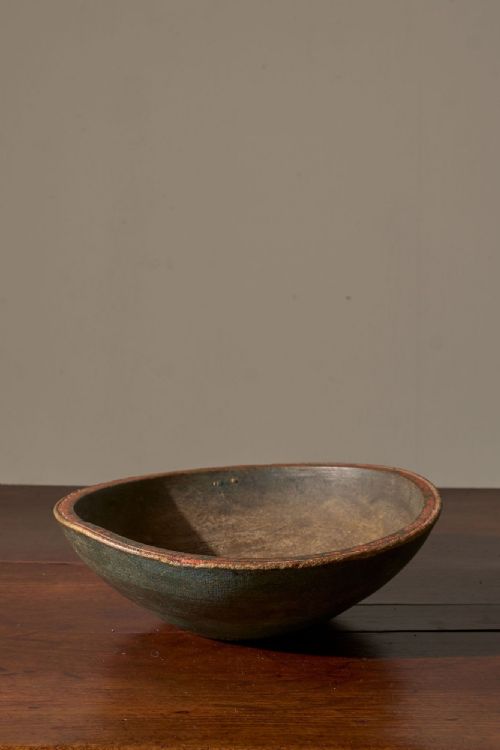
Surfaces received different treatments depending on regional origin, with some nineteenth-century pieces retaining original painted finishes, particularly in Swedish examples. Other vessels display plain timber left to weather naturally through decades of use. Iron reinforcement or natural fibre rope appears on specific forms where structural strength was required for heavy agricultural work like pounding grain.
One unusual treen container listed here likely spent its working life collecting sticky wine dregs in a cellar.
What varies in quality
Quality rests in the purity of the survival and the integrity of the original tool work rather than any refinement of finish. Pieces that retain their early or original paint surfaces, such as eighteenth-century Swedish bowls, sit at a different level of desirability from plain utility timber. The depth of the carving and the balance of the proportions relative to the natural log dictate the visual strength of the object.
The scale and ambition of the initial block also set examples apart, distinguishing simple domestic items from substantial tree trunk troughs and large mortars. Condition is defined by how well the wood has aged, with stable drying splits and genuine wear from agricultural or domestic service adding to the character of the piece.
The Primitive Wooden Vessel Glossary
- Sycamore
- A dense hardwood frequently utilised in British and European dairy vessels for its stable, non-porous qualities. It resists splitting and does not impart flavours to foodstuffs.
- Dug out
- A method of construction where a single piece of timber or tree trunk is hollowed out to form a vessel. This technique produces thick, sturdy walls without joints.
- Treen
- Small handmade wooden domestic objects and utensils created before the widespread adoption of mass manufacturing. The term encompasses everything from bowls to small containers.
- Mortar
- A heavy vessel shaped to hold materials while they are pounded or crushed with a pestle. Examples in this tradition are often carved from single sections of dense hardwood or tree trunks.
- Folk art
- Utilitarian objects made by rural makers without formal academic training, following regional traditions. These pieces prioritise practical function combined with vernacular style.
Primitive Wooden Vessel: Frequently Asked Questions
What were primitive wooden vessels used for?
These items served heavy practical purposes in rural homes, dairies, and agricultural settings. They held milk, stored grain, contained liquids, or acted as mortars for pounding materials.
Over decades of domestic or farm labour, the timber absorbed oils and experienced constant friction. This daily work created the deep patination and worn surfaces seen today.
How do I care for a primitive wooden vessel?
Keep these objects away from direct heat sources, radiators, and rapid humidity changes that can cause the aged timber to split further. Dust them gently with a dry cloth rather than applying modern polishes or cleaning agents.
Allow the dry wood to retain its historic character without intervention. Most pieces require nothing more than a stable indoor environment to preserve their condition.
How can I tell the age of a wooden vessel?
Dating relies on observing the tool marks left by the maker, the type of timber utilised, and the overall wear patterns. Eighteenth and nineteenth-century pieces display hand-forged or primitive tool signatures rather than modern mechanical cuts.
Original painted surfaces or historical patination also offer strong indicators of period origin. Comparing the construction methods to documented vernacular pieces helps establish the likely era.
Are painted wooden bowls genuine?
Painted surfaces on Swedish and continental bowls often survive from the eighteenth and nineteenth centuries as original finishes. These coatings were applied to protect the timber and decorate domestic utensils.
Inspect the pigment for signs of natural wear, fading, and integration with the wood underneath. Authentic paint shows age-related craquelure and thinning from handling and washing.