



Antique Folk Art Pot
These antique folk art pot pieces bring raw rural character to a room, offering tactile historical utility through vernacular materials.

Antique Folk Art Pot
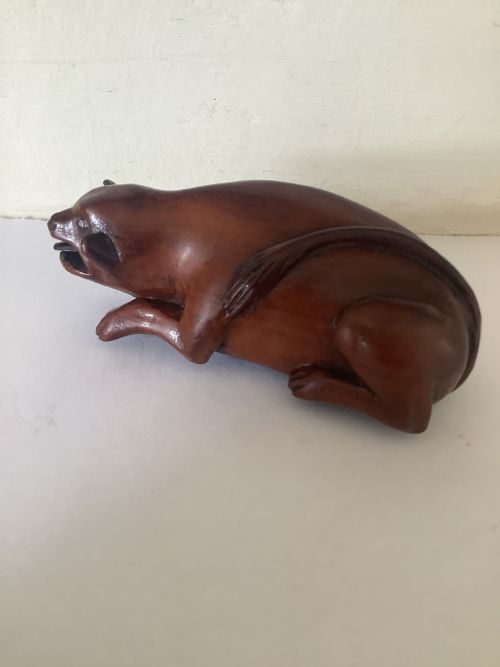
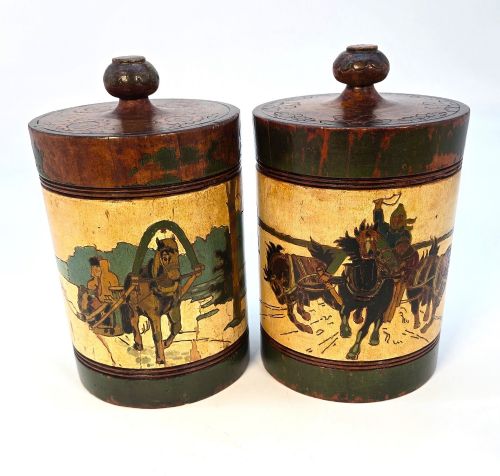
When you search for an antique folk art pot, you encounter domestic vessels shaped by regional hands and everyday utility. These objects span various forms, including tobacco jars, teapots, slipware strawberry jars, and carved wooden vessels.
The pieces on this page draw from diverse traditions, encompassing Victorian folk art, Japanese Mingei, Russian work, and Mediterranean painted pottery. They reflect practical rural life rather than formal court aesthetics.
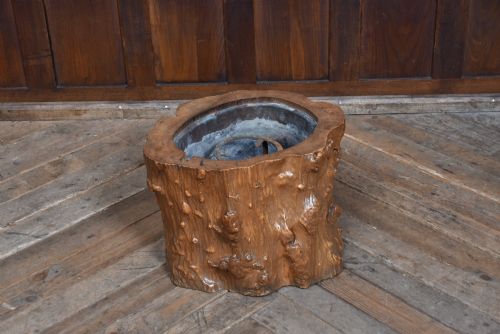
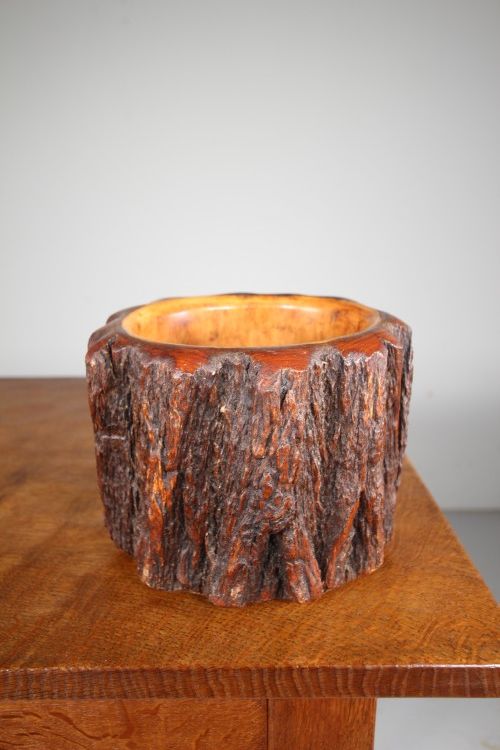
Forms range from small treen snuff boxes and tree stem bowls to larger dugout sycamore planters and treen tobacco containers. Each item carries the distinct mark of vernacular craft spanning the seventeenth through to the early twentieth century.
How they were made
Makers shaped these utilitarian objects primarily from local hardwoods, sycamore, and pine, alongside terracotta and earthenware. Woodworkers utilised chisels and gouges for naive carving, while potters applied lead glazes to earthenware bodies.
Surface decoration frequently involved hand-painted pigments on wood or pottery, alongside natural wax finishes that built up deep patinas over decades of handling. Dugout vessels required hollowing out solid tree trunks and tree roots by hand.
One stubborn tobacco box was carved straight from a birch root, proving that makers simply used whatever wood lay to hand.
What varies in quality
Quality rests in the honesty of the wear and the vigour of the primitive carving rather than academic precision. Pieces that retain their original painted surfaces or unpolished patinas command greater visual presence.
The directness of the maker's hand dictates the success of each vessel, distinguishing lively vernacular interpretation from stiff execution.
Melissa White
The Antique Folk Art Pot Glossary
- Treen
- Small handmade wooden domestic objects. These items were whittled or turned for everyday household use.
- Slipware
- Pottery decorated with a thin mixture of clay and water applied before firing. This technique creates simple contrasting lines or patterns.
- Patina
- The surface sheen and colour developed through age and regular handling. It signals long use and natural ageing of wood or earthenware.
- Mingei
- Japanese folk craft objects created by anonymous artisans for daily utility. These pieces value unpretentious utility and natural materials.
- Dugout
- An object carved from a single solid piece of timber or tree trunk. This method avoids joins and utilises the natural curves of the wood.
Antique Folk Art Pot: Frequently Asked Questions
How were wooden vessels used originally?
Makers shaped these items for storing tobacco, holding snuff, serving tea, or planting greenery in domestic and rural settings.
Their robust construction suited daily handling by families and tradespeople.
How do I care for wooden folk art?
Keep wooden pieces away from direct heat sources and sudden humidity changes to prevent timber from splitting.
Apply a light microcrystalline wax occasionally to protect the surface without clouding the historic patina.
Can I use antique pottery vessels daily?
Earthenware and slipware from earlier centuries often feature porous bodies and historical lead glazes unsuited for modern food safety standards.
Display them as decorative objects to preserve their fragile glazes and surfaces.