


Dark Wood Vessel
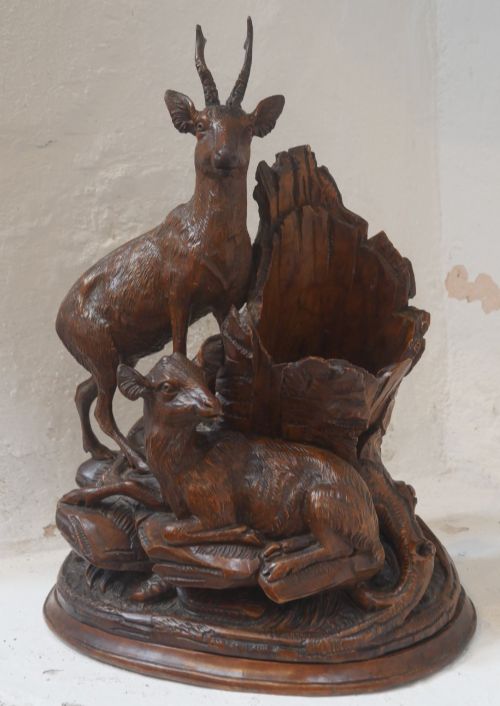
A dark wood vessel brings substance and dense grain to a room, drawing the eye through carved surfaces and deep patination.

Dark Wood Vessel
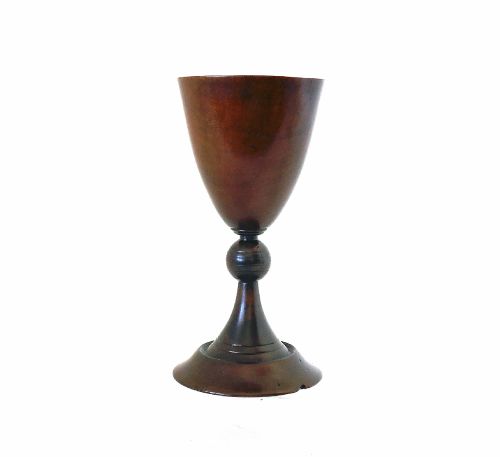
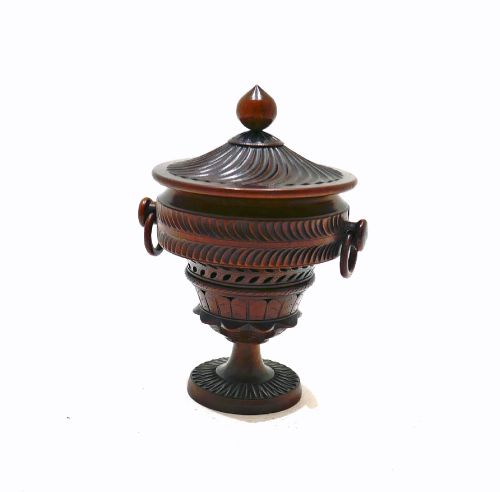
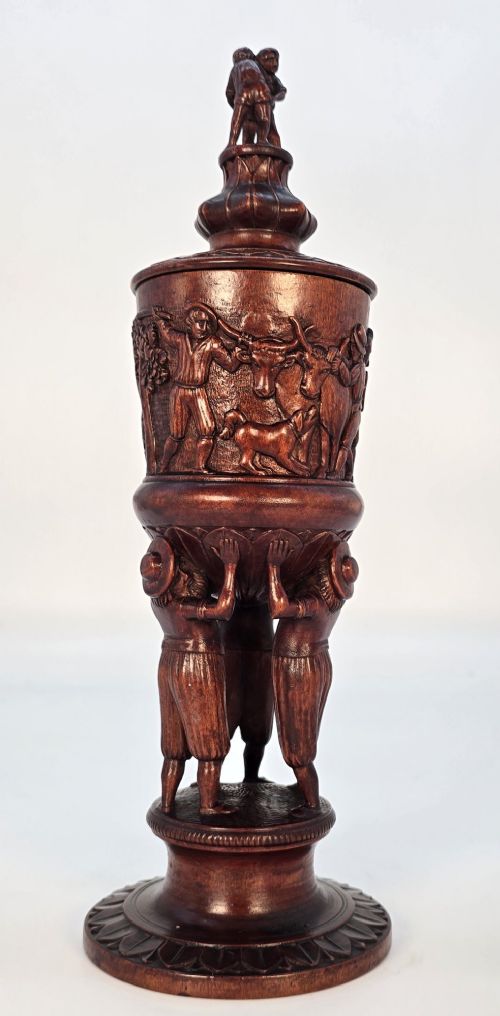
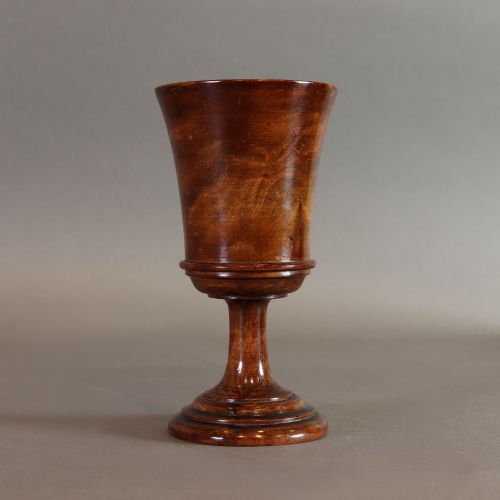
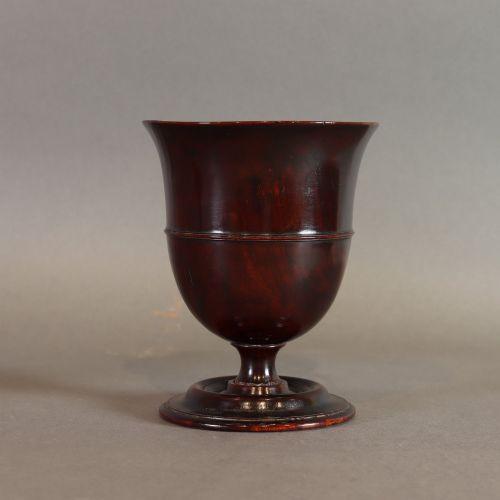
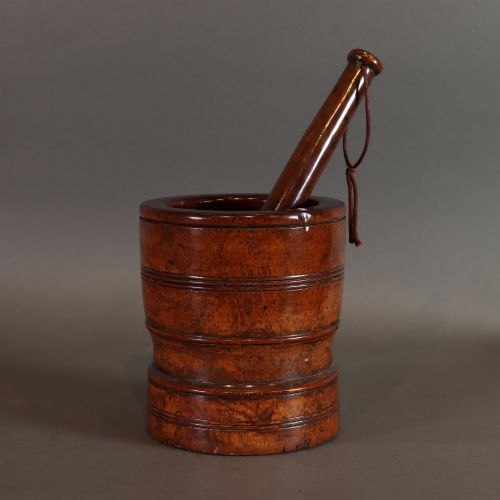
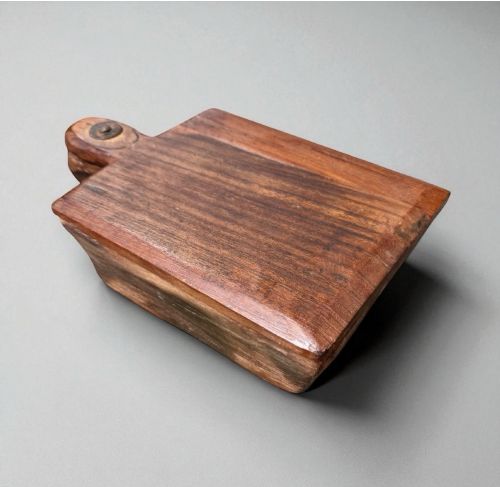
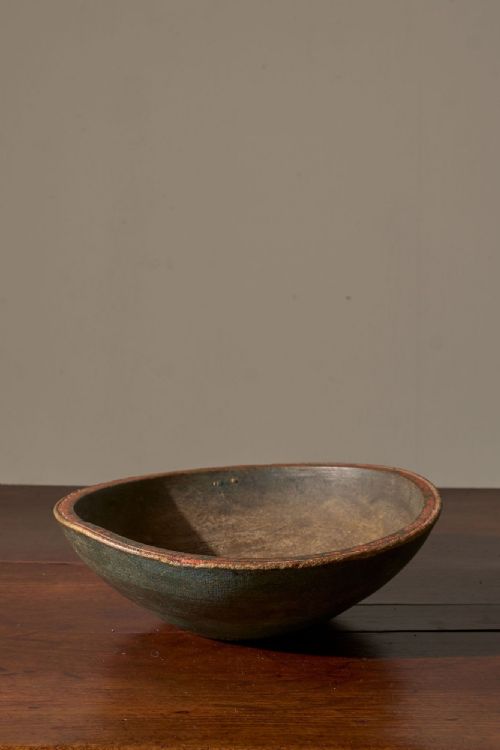
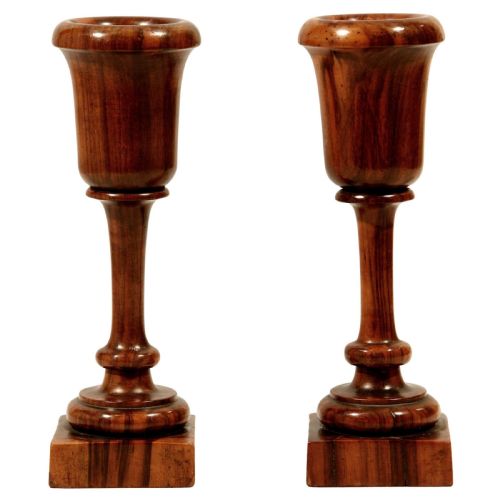
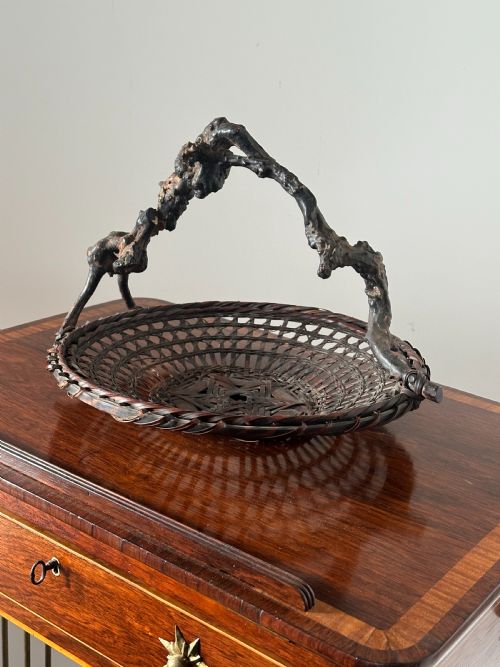
A dark wood vessel encompasses turned goblets, lidded cups, mortars, and carved containers fashioned from dense timbers like lignum vitae, walnut, and fruitwood. Buyers seeking a dark wood vessel will find functional treen, coopered oak buckets, and turned urns spanning several centuries of craftsmanship.
The pieces appearing on this page range from early seventeenth-century turned mortars to nineteenth-century folk art flasks and decorative urns. Many items originate from British, continental, and broader international workshops, showing the widespread utility of heavy turned timber.
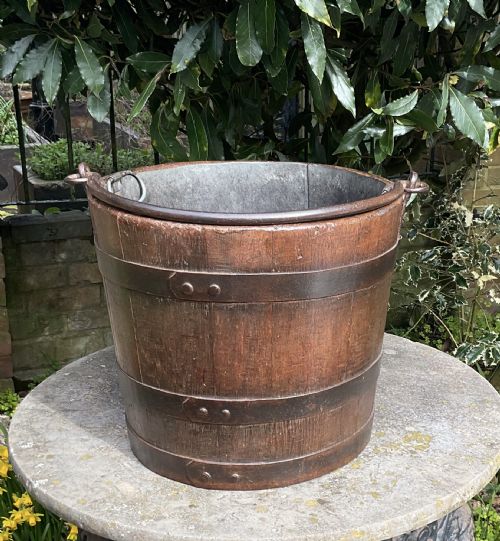
Within this selection, turned goblets and small lidded containers emerge most frequently, alongside larger coopered vessels bound in brass or iron. Each object demonstrates the historic reliance on dense hardwoods for everyday utility and decorative display.
How they were made
Makers utilised heavy hardwoods such as lignum vitae, oak, walnut, and fruitwood, selecting timber for its density and capacity to hold a sharp profile under the lathe. Turned objects took shape on manual or pole lathes, where artisans pared down green or seasoned timber into symmetrical vessels, goblets, and mortars.
Coopered items required a different discipline, assembling tapered wooden staves bound tightly with brass or iron hoops to contain liquids or dry goods securely. Carved containers and flasks involved hand gouges and chisels, transforming sections of coconut shell or solid trunk wood into intricate folk art.
Listings feature items from the seventeenth century through to the Edwardian period, executed in oak, walnut, fruitwood, and lignum vitae.
What varies in quality
Quality rests primarily in the crispness of the turning and the depth of the natural patination built up through centuries of handling. A superior vessel exhibits well-balanced proportions, clean rims, and an unforced integration of the wood's natural grain with the maker's design.
The integrity of the material also dictates distinction, favouring pieces carved from solid, dense heartwood over softer timbers prone to splitting. Preservation of original surface finishes, without aggressive modern intervention, separates ordinary domestic items from those of collector standing.
The Dark Wood Vessel Glossary
- Treen
- Small handmade wooden domestic objects produced from the sixteenth century onwards. These items include cups, spoons, and small containers shaped by turning or carving.
- Lignum Vitae
- An exceptionally heavy and dense tropical hardwood used for turned vessels and mortars. Its oily nature made it naturally resistant to moisture and splitting.
- Coopered
- Constructed from curved wooden staves joined edge to edge and bound with metal hoops. This technique formed barrels, buckets, and log bins.
- Campana
- A vase or vessel shaped in the inverted bell profile derived from classical antiquity. It appears frequently in turned treen and bronze.
- Patina
- The surface sheen and colour developed by wood through age, use, and waxing. A rich patina indicates decades of handling and care.
Dark Wood Vessel: Frequently Asked Questions
How were wooden mortars used?
Wooden mortars served in domestic and apothecary settings to crush dried herbs, spices, and medicinal ingredients using a matching pestle. Their dense hardwood construction prevented the ingredients from absorbing into the walls of the bowl.
Over years of consistent friction, the interior surfaces developed smooth contours distinct from the exterior turning. They remained central kitchen tools before ceramic and cast iron alternatives took precedence.
What is treen?
Treen describes small wooden utilitarian and decorative objects made for domestic use. The category covers everything from turned goblets and lidded pomanders to nutmeg graters and small containers.
These pieces were shaped by hand or lathe in everyday workshops rather than high furniture factories. Collectors prize them for their tactile qualities and the variety of native timbers employed.
Why are some vessels bound in brass?
Coopered buckets and vessels utilised brass or iron bands to hold the individual wooden staves firmly in place. Metal bands provided structural reinforcement against the outward pressure of contents or the natural movement of timber.
In finer domestic pieces, bright brass hoops added a decorative contrast to dark oak or mahogany staves. These banded vessels typically served as umbrella stands, wine coolers, or well buckets.
How do I care for antique wood?
Antique wooden vessels require stable indoor humidity away from direct heat sources and strong sunlight. Sudden temperature shifts cause dense timbers to dry out and split along the grain.
Occasional application of appropriate microcrystalline wax helps preserve the surface sheen without sealing the wood unnaturally. Avoid using water or modern chemical cleaners on historic finishes.