


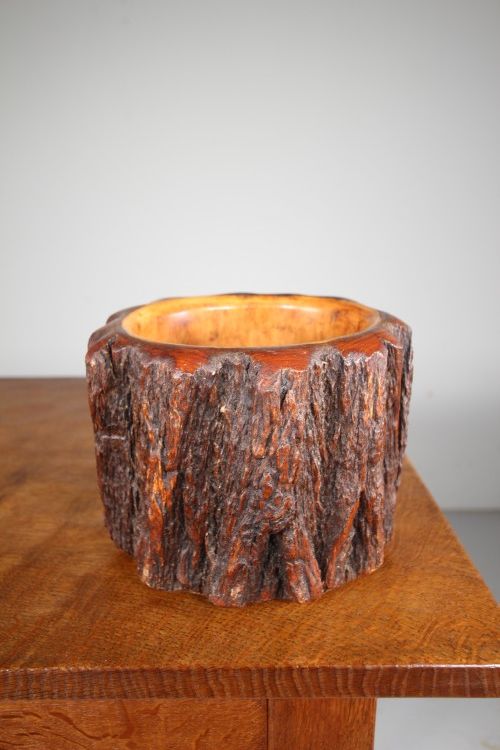


Brown Carved Wooden Bowl
These brown carved wooden bowls span centuries of domestic treen and ritual vessels, offering tactile warmth and honest utility for any modern interior.
Brown Carved Wooden Bowl
When you search for a brown carved wooden bowl, you encounter a diverse gathering of utilitarian vessels, kitchen treen, and decorative objects shaped from timber over past centuries. The selection ranges from robust French farmhouse kneading dough bowls to intricate Italian Sorrento ware and rustic European trenchers.
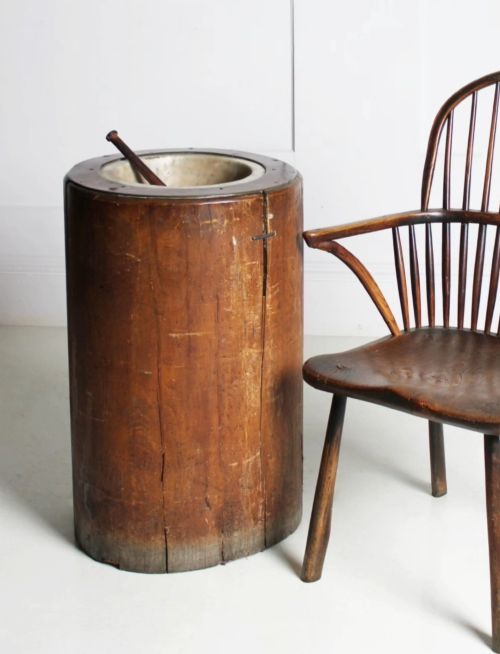
You are most likely to meet 19th-century examples fashioned from woods like mahogany, olive wood, sycamore, and walnut. These forms encompass functional items such as mortars and pestles, cheese coasters, and deep serving dishes carved by hand.
Originating from varied traditions including Chinese country craft, Japanese domestic use, and British folk art, each vessel carries the distinct marks of its original purpose. They serve today as striking decorative accents or practical catch-alls in contemporary spaces.
How they were made
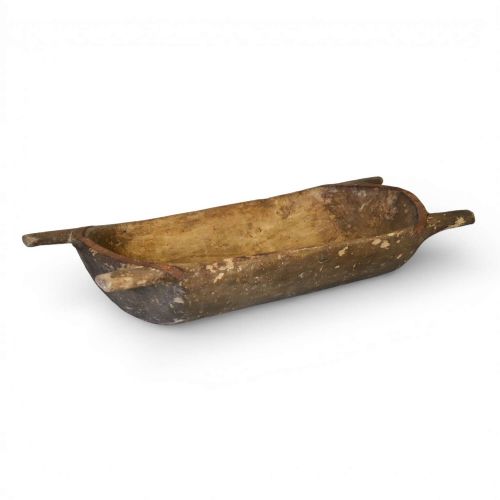
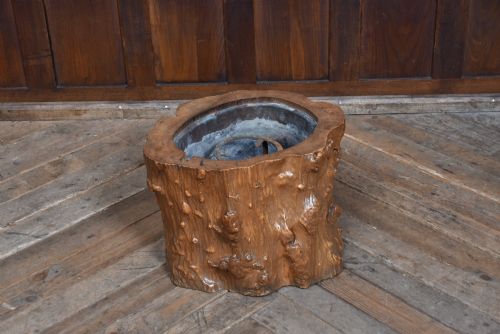
Makers shaped these objects using traditional hand tools such as gouges, adzes, and turning lathes, working with seasoned timbers selected for grain and density. Woods like elm, birch, oak, and shisham were carved from solid blocks or dug out from single sections of tree trunks.
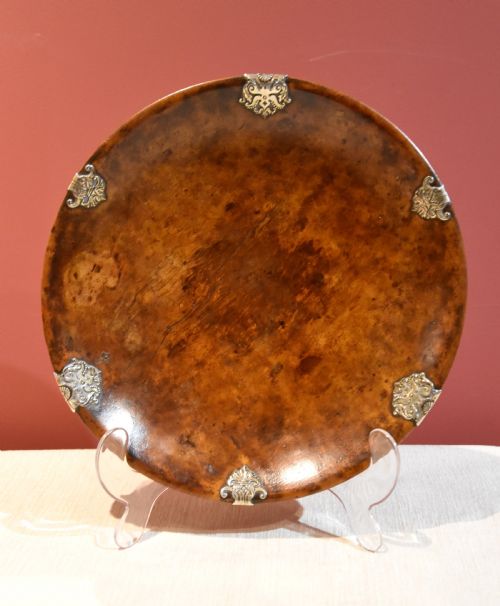
Surface finishing relied on natural oils, waxes, and continuous handling over decades, which developed the deep patinas seen today. Some pieces incorporate metal mounts in silver, copper, or iron to reinforce rims or add decorative handles.
Object forms range widely from deep kneading dough bowls and Japanese hibachi to delicate cheese coasters and rustic strainers.
What varies in quality
The distinction between standard utility items and superior examples lies in the crispness of the carving and the depth of the resulting wood grain. Master carvers achieved balanced proportions and harmonious walls that respect the natural growth rings of the timber.
Patina and surface preservation heavily influence desirability, with untouched waxed finishes holding more visual interest than heavily restored surfaces. The choice of timber also dictates quality, with dense burls, figured walnut, and exotic hardwoods commanding greater appreciation.
The Brown Carved Wooden Bowl Glossary
- Treen
- Small wooden domestic objects made by turning or carving. This term covers everything from bowls and spoons to scoops and strainers.
- Dough bowl
- A large vessel used historically for mixing and rising bread dough. These are typically deep, heavy, and carved from a single piece of timber.
- Patina
- The surface sheen and coloration developed through age, handling, and use. A rich patina indicates long service and natural ageing.
- Mortar and pestle
- A heavy bowl paired with a club-shaped tool used for grinding and crushing materials. Wooden versions often show interior wear from use.
Brown Carved Wooden Bowl: Frequently Asked Questions
How do I clean an antique wooden bowl?
Wipe the surface gently with a slightly damp cloth and dry it immediately with a soft towel. Avoid soaking the wood in water or using harsh detergents.
Periodically nourish the timber with a natural beeswax or mineral oil to prevent the grain from drying out and cracking.
What woods were commonly used?
Makers utilised whatever local or imported timber was available and suitable for carving. Common varieties include mahogany, walnut, sycamore, elm, birch, and olive wood.
Exotic woods like shisham and specialised burls also appear in higher-end decorative pieces from the nineteenth century.
How do I date a wooden bowl?
Dating relies on examining tool marks, timber characteristics, form, and the overall wear patterns. Hand-carved adze marks differ significantly from later lathe-turned grooves.
Comparing the object's style to documented regional treen helps narrow down the period of manufacture.