


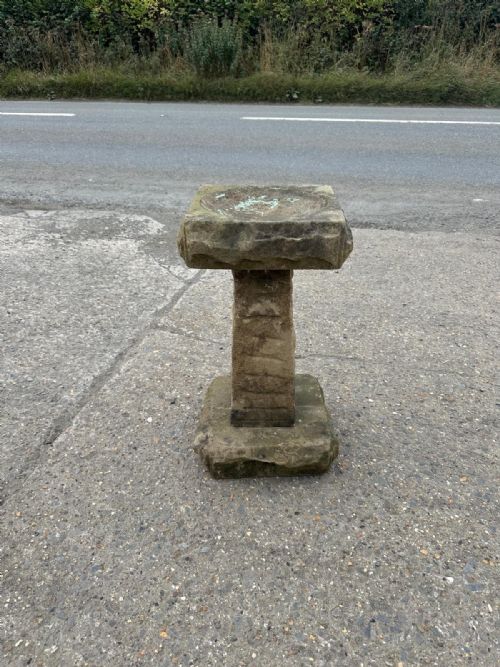


Hand Carved Trough
A hand carved trough brings genuine weathering and direct utility into a garden or interior, formed from solid stone or timber by traditional hand methods.
Hand Carved Trough
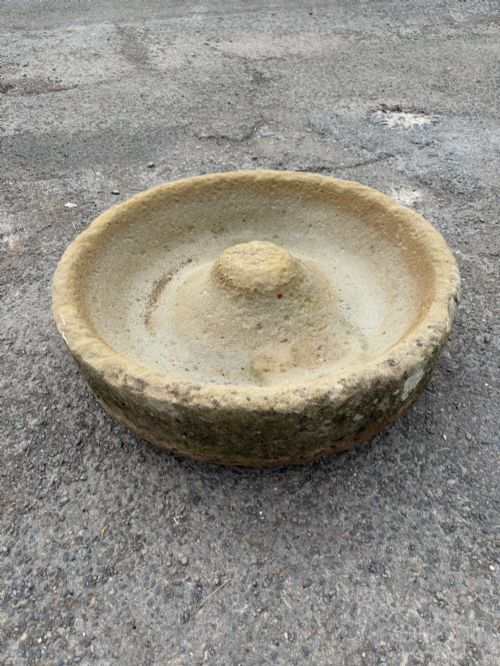
When you search for a hand carved trough, you encounter solid stone and heavy timber vessels shaped for practical utility across centuries. These utilitarian objects served various functions, from garden planters and bird baths to kneading dough bowls and stone mortars.
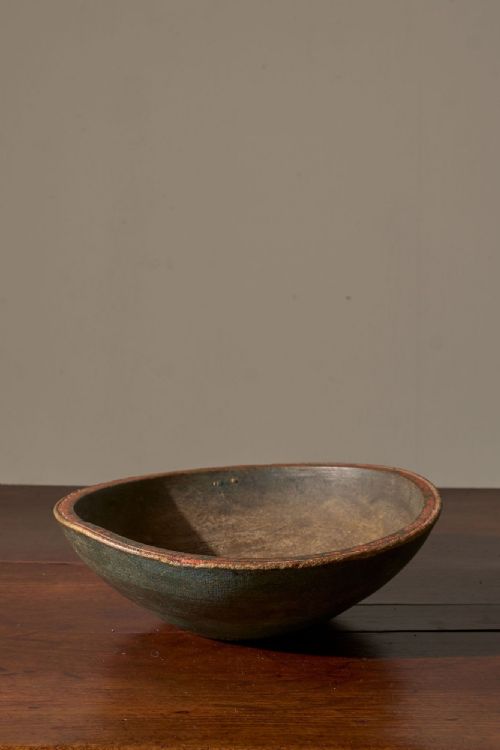
Origins vary widely across these listings, taking in French farmhouse pieces, Swedish painted bowls, Chinese elm mortars, and British natural stone troughs. Each region applied local geological materials and native timbers to shape vessels for domestic and agricultural labour.
What varies in quality
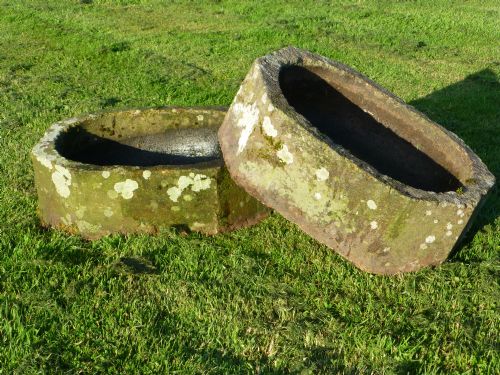
Quality rests upon the depth of the natural patina and the integrity of the material itself. Stone vessels display superior tactile qualities when lichen and centuries of weathering settle into the hand-chiseled facets.
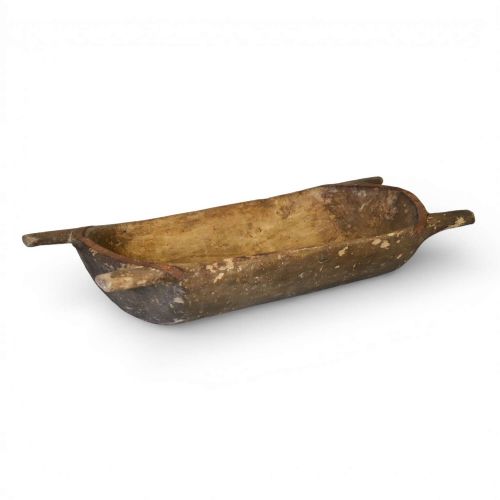
Proportion and mass dictate the visual weight of each piece, whether dealing with a partition stone trough with rounded corners or an early wooden dug-out bowl. The honesty of the initial hand labour determines the lasting character of the vessel.
One listed stone planter incorporates material salvaged directly from the Houses of Parliament after wartime bomb damage during the Blitz.
The Hand Carved Trough Glossary
- Gritstone
- A coarse-grained quartz sandstone traditionally quarried in northern England. Stonemasons utilised its rugged texture for durable agricultural troughs.
- Patina
- The surface sheen and textural alteration developed through age, handling, and exposure to the elements. Rich patination indicates decades of authentic use.
- Dug out
- A descriptive term for wooden vessels hacked and hollowed from a single solid log. This technique produces thick, organic walls without joined seams.
- Mortar
- A heavy bowl-shaped vessel used for pounding materials with a pestle. Stone and hardwood examples frequently double as decorative planters.
Hand Carved Trough: Frequently Asked Questions
How do I clean a stone trough?
Wash the surface gently with water and a soft bristle brush to remove dirt without disturbing the accumulated moss and lichen.
Avoid harsh chemical cleaners or pressure washers, which strip away the aged patina and erode the softer minerals within the stone.
Can I leave stone troughs outside in winter?
Most natural stone troughs withstand frost if they do not sit directly in standing water that freezes and expands within the cavity.
Raise the base slightly on bricks or pot feet during freezing weather to ensure adequate drainage and prevent cracking.
What is the difference between a trough and a planter?
Troughs are typically longer, heavier, and originate from agricultural or architectural contexts such as feeding animals or collecting water.
Planters are often specifically proportioned for horticulture, though historical stone troughs adapt readily to modern garden planting.
How do I date an antique wooden bowl?
Examine the tool marks left on the timber, noting whether the surface shows evidence of early adze work or mechanical turning.
Assess the species of wood, the depth of the shrinkage cracks, and the dry, matte character of the unpolished surface.