


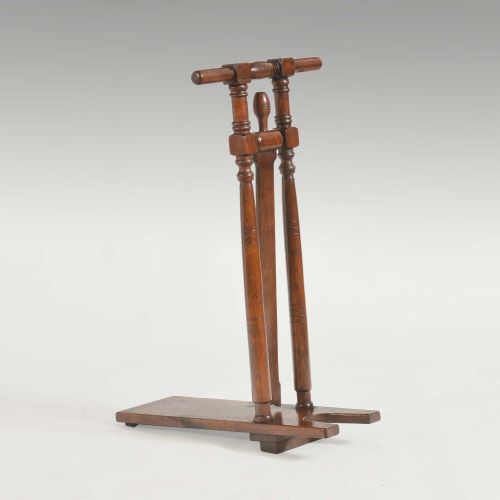


English Country Treen
English country treen brings the honest utility of domestic wood into modern rooms through dairy bowls, spice towers, and candle boxes.
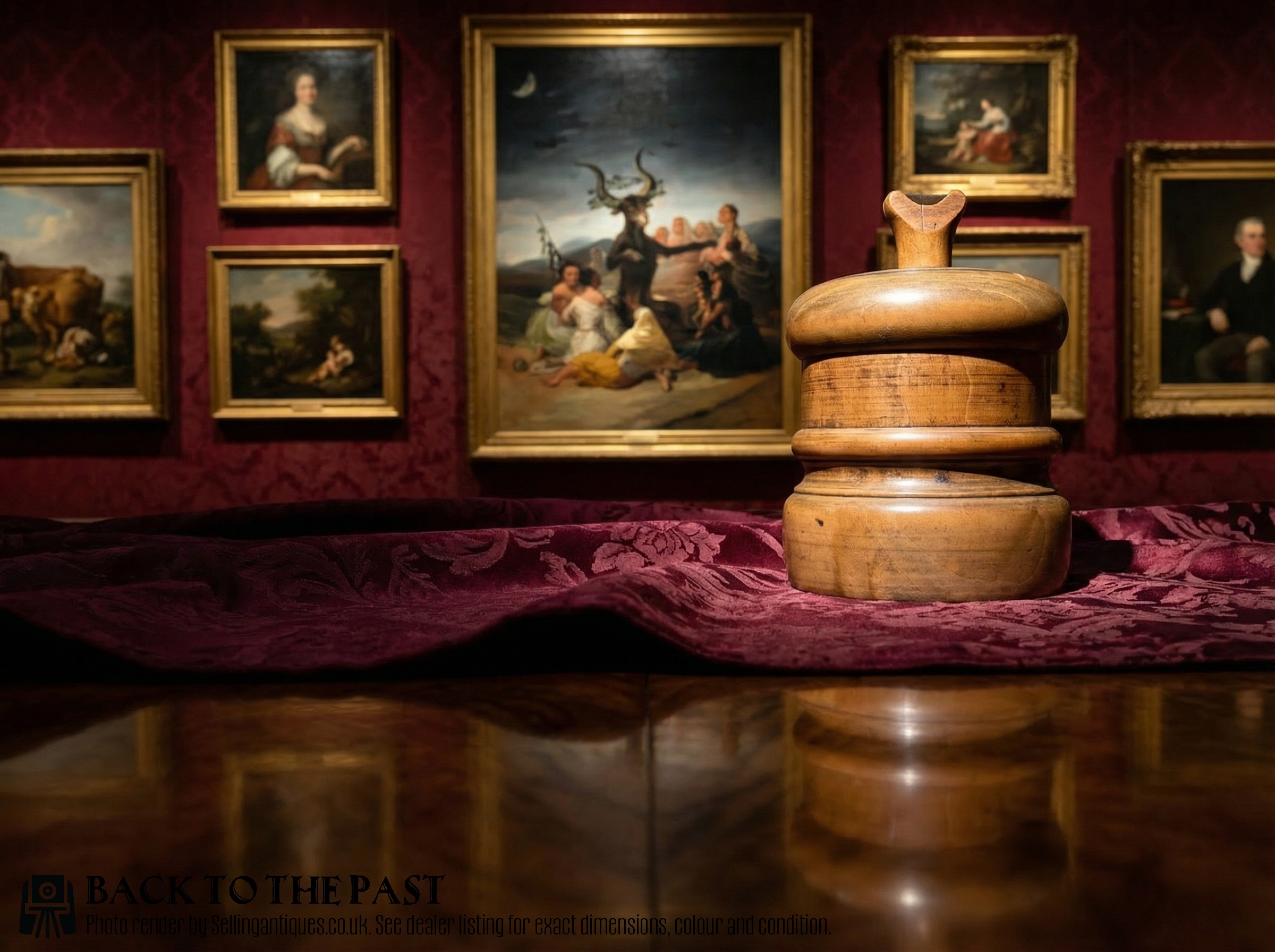
English Country Treen
English country treen encompasses utilitarian wooden objects made for domestic and rural life across centuries. When you search for english country treen, you encounter functional items shaped by hands for everyday service.
The pieces listed here date from the seventeenth, eighteenth, and nineteenth centuries. You are most likely to meet sycamore dairy bowls, oak candle boxes, and ash platters originating from rural English households.
Forms range from large serving platters and string holders to spice towers and apothecary mortars. Each object reveals the practical demands of historic domestic interiors through simple, robust construction.
How they were made
Turned wood and solid boards form the core of these pieces, utilising native timbers like sycamore, oak, and ash. Craftsmen shaped bowls on lathes and joined boxes with pegged or dovetailed joints.
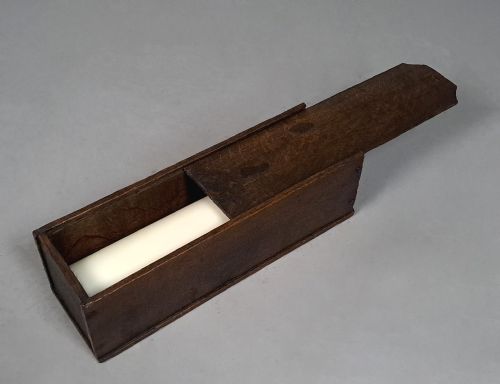
Iron mounts and hinges appear on pieces requiring mechanical strength, such as apothecary crushers and wall-hanging candle boxes. These metal elements balance the dominant use of turned and carved timber.
What varies in quality
The quality of english country treen lies in the balance of proportion and the depth of surface wear accumulated through use. Pieces showing honest, unforced handling possess greater visual weight than sterile examples.
Timber selection dictates the character of the object, with dense sycamore and figured oak yielding superior tactile qualities. The integrity of the turning and the harmony of proportion separate standard utilitarian items from exceptional survivals.
The English Country Treen Glossary
- Treen
- Small handmade wooden domestic objects. The term derives from the Old English word for tree.
- Dairy bowl
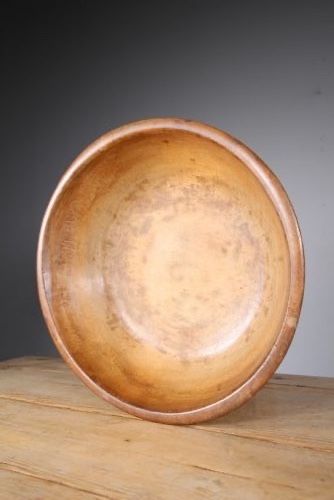
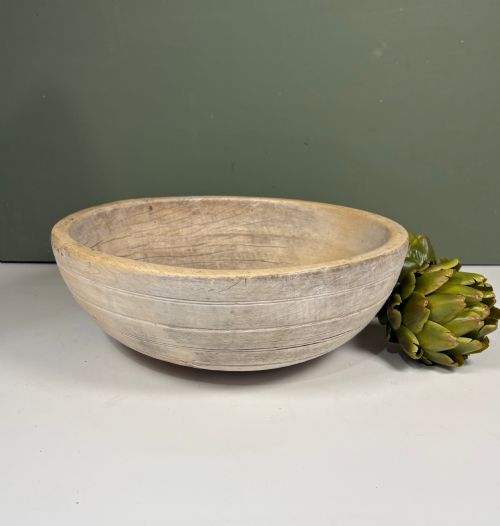
- A large vessel used historically for setting milk and skimming cream. These are typically turned from sycamore to resist splitting.
- Spice tower
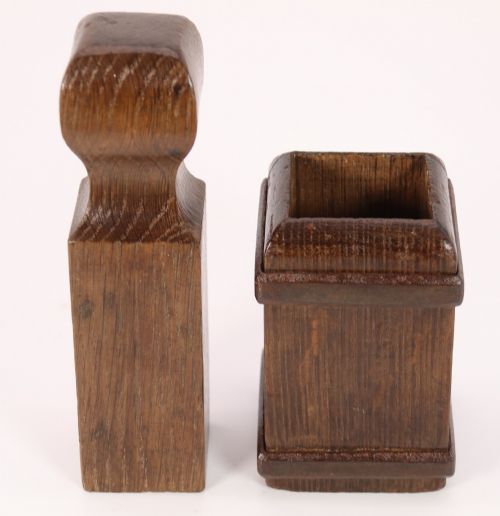
- A tiered wooden container used for storing culinary powders. They demonstrate intricate turning and sectioning.
- Bootjack
- A V-shaped device designed for removing boots without bending down. Country examples combine oak and ash for stability.
- Patina
- The surface sheen and colour developed by wood through age and handling. It reflects decades of exposure and human contact.
English Country Treen: Frequently Asked Questions
How were dairy bowls used?
Dairy bowls served as shallow vessels for holding fresh milk to allow the cream to rise to the surface. Dairymaids skimmed the cream off the top for butter and cheese making.
Sycamore was the preferred wood because it did not impart flavours to the dairy produce and withstood constant scrubbing.
How do I date these pieces?
Dating treen relies on observing tool marks, timber characteristics, construction methods, and the style of turning. Seventeenth and eighteenth-century pieces often display heavier adze work or simpler joined construction.
Nineteenth-century items frequently show smoother lathe work and more standardised forms. Comparative examination of surface wear helps confirm the age of the timber.
How do I care for wooden treen?
Keep wooden treen away from direct heat sources and dramatic humidity fluctuations to prevent the timber from splitting. Regular treatment with neutral food-safe oils maintains the moisture balance in old wood.
Avoid washing historic items in water; instead, clean surfaces gently with a dry or barely damp cloth.