


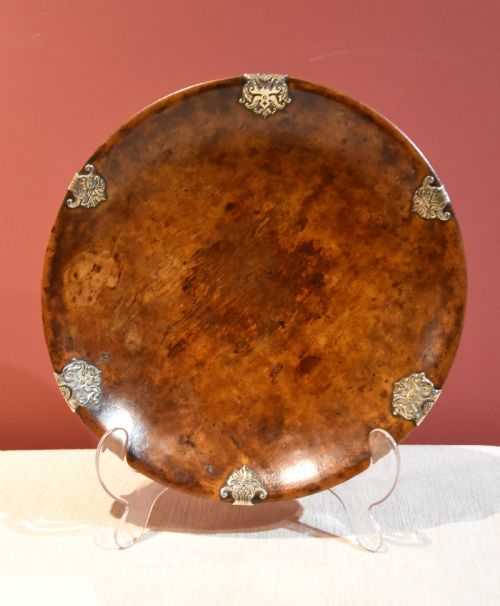


Brown Wood Bowl
A brown wood bowl brings tactile warmth to a room, offering practical utility and centuries of turned craftsmanship.
Brown Wood Bowl
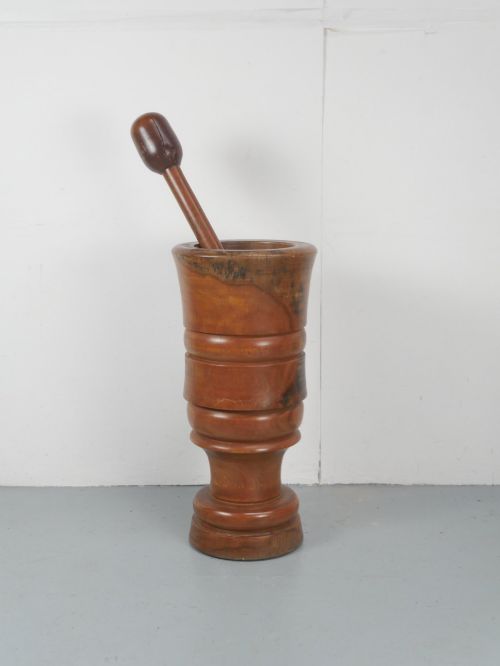
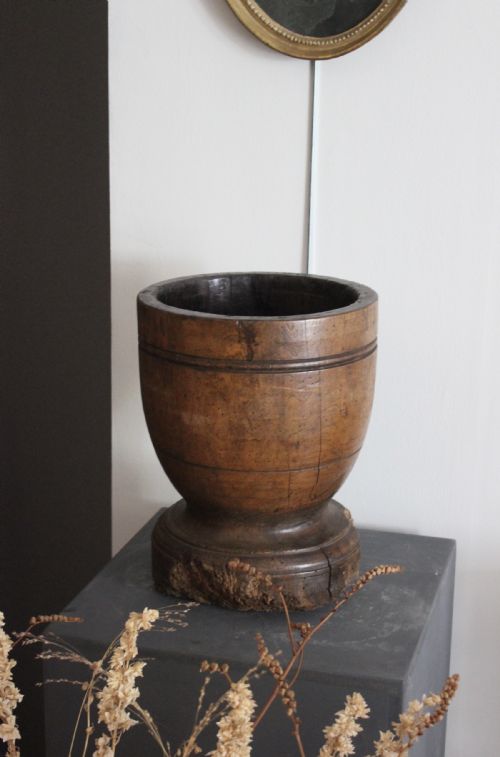
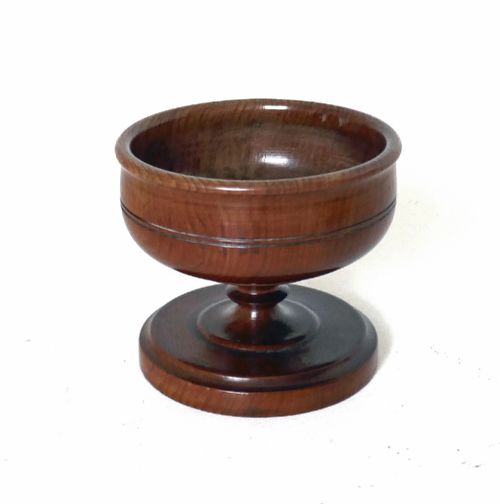
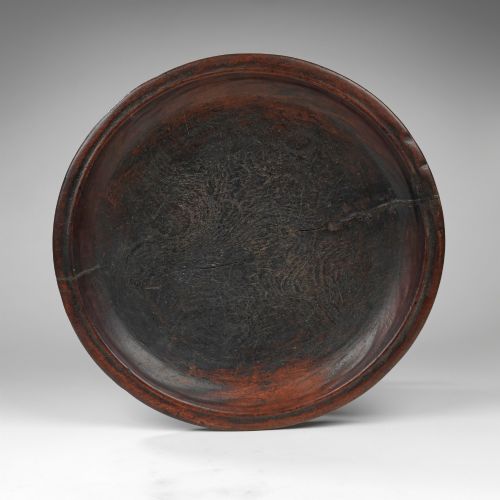
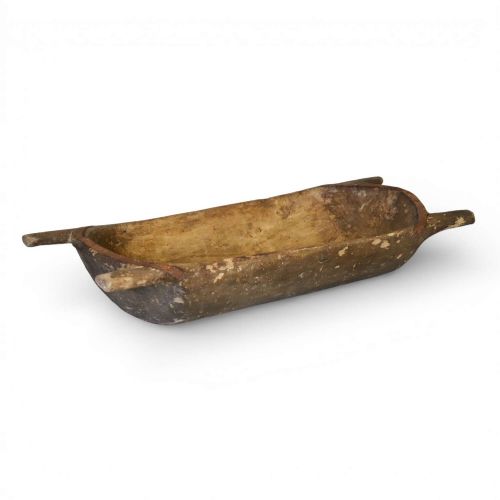
A brown wood bowl encompasses a wide variety of domestic vessels, from early treen salts and dairy bowls to large farmhouse kneading dough bowls. These pieces cross multiple periods including the 17th Century, Georgian era, Regency, and 19th Century, reflecting diverse utility in historical households.
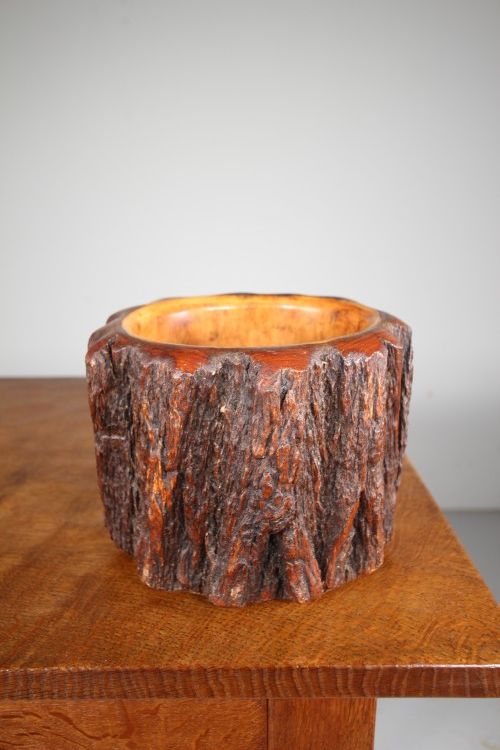
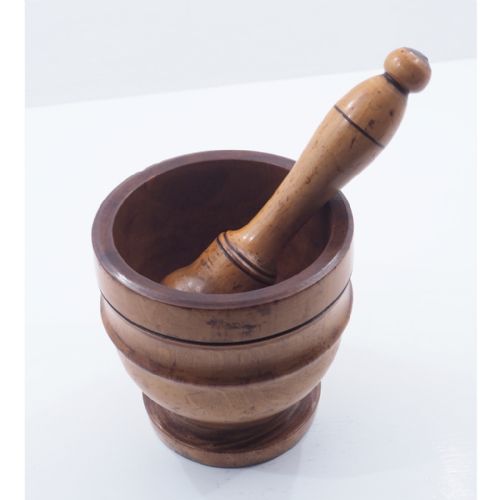
The versions most commonly met on this page are turned or carved examples shaped from regional hardwoods such as oak, walnut, ash, yew, and sycamore. They range from simple utilitarian platters and mortars to decorative trenchers and footed tazzas.
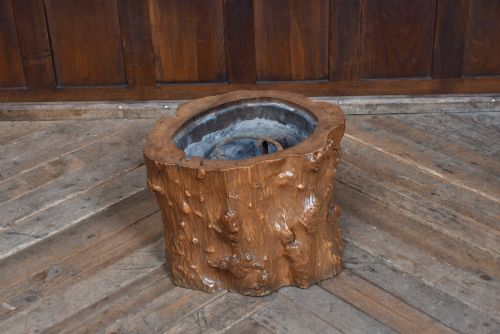
Geographic origins span English treen, French farmhouse wares, Italian Sorrento olivewood, and Japanese hibachi, showing how different cultures utilised native timber for everyday containers.
Distinctions in quality
Quality rests in the crispness of the turning, the harmonious grain of the timber, and the depth of the patination acquired through decades of handling and use. Pieces retain structural integrity and honest surface wear without aggressive intervention.
The finesse of the carving, the selection of figured woods like burr walnut, and the survival of original mounts or bases separate standard utility vessels from exceptional decorative examples.
Brown Wood Bowl Retail Price Guide 2026
Typical asking prices for brown wood bowl among the pieces listed under this phrase on Sellingantiques today, from the lower quarter to the upper quarter. They describe what is for sale here now, not the wider market.
Coquilla nuts were turned into intricate pocket-sized toddy ladles, proving Victorians would carve practically any hard seed into a drinking accessory.
The Brown Wood Bowl Glossary
- Treen
- Small wooden domestic objects made by turning or carving. This term covers items ranging from salt cellars to cups and platters.
- Patina
- The surface sheen and colour developed by wood over years of handling, polishing, and natural ageing. It indicates genuine age and use.
- Treen Salt
- A small turned wooden container used for holding salt at the dining table during the 18th century and earlier.
- Dough Bowl
- A large vessel utilised for mixing and kneading bread dough in farmhouse kitchens. They are typically carved or dug out from a single piece of timber.
- Tazza
- A shallow bowl or dish raised on a stem and foot, often carved in walnut or other decorative woods for display.
Brown Wood Bowl: Frequently Asked Questions
How do I clean an old wooden bowl?
Wipe the surface gently with a damp cloth and dry it immediately with a soft towel. Avoid soaking the timber in water or using harsh detergents that strip the natural oils.
Apply occasional coats of food-safe mineral oil or beeswax if the wood appears dry, rubbing it in well and buffing to a soft sheen.
Can I use these bowls for food today?
Most antique wooden bowls are best reserved for display or holding dry items like fruit. Older finishes and porous timbers can absorb moisture and food particles.
If a piece has a modern food-safe finish, it may serve light dry contents, but check the surface condition carefully before use.
What is treen?
Treen refers to small, functional wooden items made for the home before mass production replaced them with ceramics and plastics. These objects include bowls, spoons, platters, and boxes.
Collectors value them for their tactile qualities, honest craftsmanship, and the rich colour acquired over generations.
How can I tell the age of a wooden bowl?
Age is determined by tool marks left on the timber, the style of turning, the species of wood, and the wear patterns on the base. Hand-dug vessels and early lathe-turned pieces exhibit irregularities absent in later machine-made items.
Patina also offers clues, showing gradual darkening and softening of edges that modern reproductions cannot replicate.