



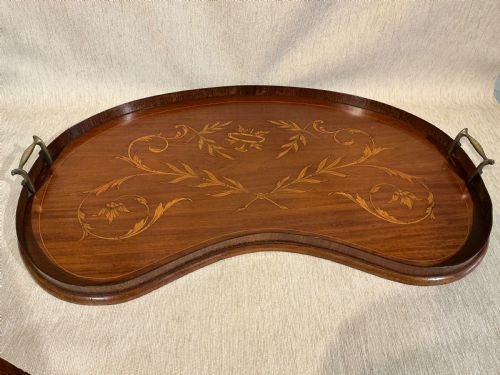


Brown Wooden Platter
A brown wooden platter serves as both a practical table accessory and a textural display piece, bringing warmth and grain into everyday domestic spaces.
Brown Wooden Platter
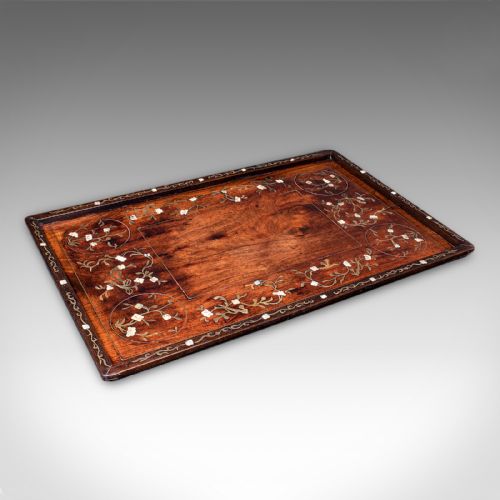
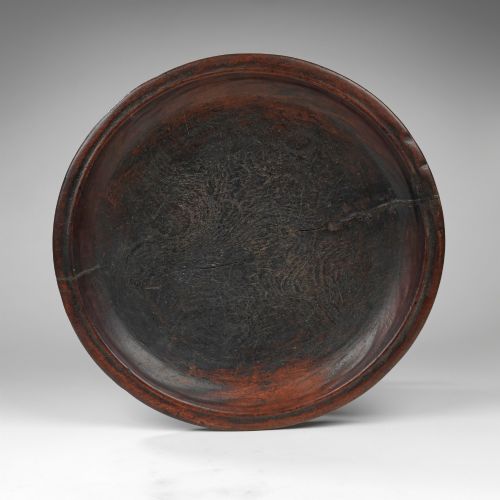
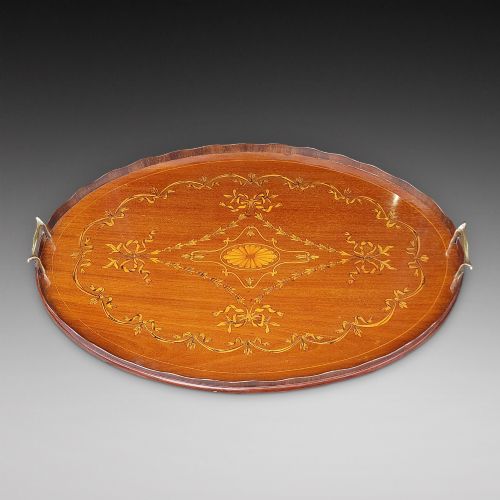
When you search for a brown wooden platter, you encounter a variety of serving trays, shallow dishes, and decorative trenchers spanning the Georgian, Victorian, and Edwardian eras. These domestic items range from plain turned bowls and afternoon tea slides to galleried oval trays inlaid with contrasting timbers.
The versions most commonly met on this page are mahogany and teak pieces from the nineteenth and early twentieth centuries. Makers utilised native English hardwoods alongside imported exotic timbers to produce functional tableware for serving drinks and provisions.
Regional styles introduce distinct regional characteristics, including Anglo-Indian carved ornamentation, Kashmiri walnut work, and Sorrento ware olivewood. Buyers select these items to introduce organic material and rich patination into modern or traditional interiors.
How they were made
Craftsmen shaped these items using traditional turning lathes and hand-carving techniques on seasoned hardwoods like mahogany, teak, walnut, and ash. Turning produced symmetrical bowls and round trenchers, while rectangular and oval serving trays required careful carpentry to join raised galleries and handles.
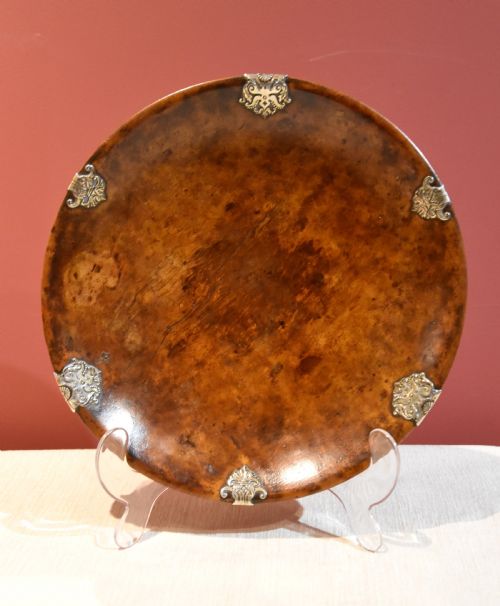
Decoration relied on marquetry inlay, oyster veneering, and applied silver-plate mounts or brass handles. Artisans combined lighter satinwood or maple sections into dark mahogany grounds to create geometric and floral borders.
What varies in quality
Quality in these items depends upon the selection of timber and the precision of the joinery. Superior examples display striking grain figures, such as burr walnut or oyster veneer, matched carefully across the surface.
The crispness of hand-carved foliage and the integration of delicate gallery rails or silver-plated mounts separate standard utility items from finer parlor serving trays.
The Brown Wooden Platter Glossary
- Treen
- Small handmade wooden domestic objects and tableware. This term encompasses turned bowls, platters, and wall trays shaped from native timbers.
- Gallery
- A raised wooden or metal rim fitted around the edge of a tray. This feature prevents items from sliding off during service.
- Marquetry
- The art of applying decorative pieces of veneer to a structure to form ornamental designs. Craftsmen utilised contrasting woods like satinwood and maple.
- Oyster veneering
- The practice of cutting branchwood transversely to produce small, circular cross-sections with concentric growth rings. These veneers formed decorative patterns across Edwardian trays.
- Sorrento ware
- Woodwork decorated with micro-mosaic inlay, originating from the Italian town of Sorrento. Olivewood bowls represent this technique.
Brown Wooden Platter: Frequently Asked Questions
What is a brown wooden platter used for?
These items served historically for carrying afternoon tea, presenting food at the table, or displaying fruit and domestic provisions.
Today, they function practically for serving drinks or decoratively as table centerpieces and wall-hung display items.
How do I care for a wooden tray?
Protect the timber by keeping it away from direct heat sources, damp environments, and standing water. Clean the surface gently with a slightly damp cloth rather than submerging the piece in water.
Periodically nourish dry wood with a suitable natural wax or oil to preserve the patina and grain.
How can I tell the period of a tray?
Examine the timber species, construction methods, and decorative styles to determine age. Georgian and Victorian pieces frequently utilise solid mahogany with hand-turned elements or fine dovetailed galleries.
Later Edwardian examples often incorporate lighter marquetry inlay, oyster veneers, or integrated silver-plated mounts and brass handles.
What is Anglo-Indian woodwork?
This category includes items produced in the Indian subcontinent during the nineteenth century for British domestic markets. Artisans carved dense timbers such as teak with intricate floral and foliate motifs.
These pieces combined traditional regional carving techniques with European serving tray forms.