

Carved Wood Urn
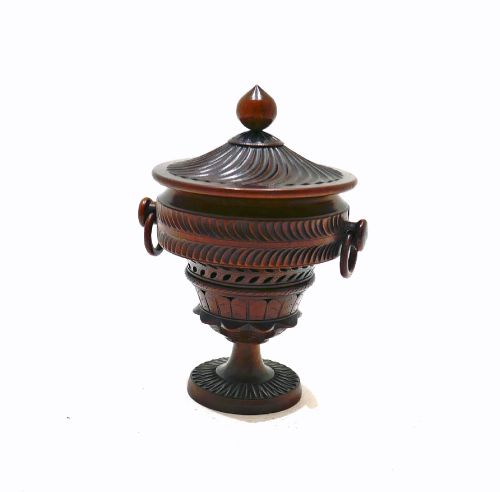
When you search for a carved wood urn, you encounter decorative vessels shaped by period hands from dense hardwoods, fruitwoods, and gilded pine.
Carved Wood Urn
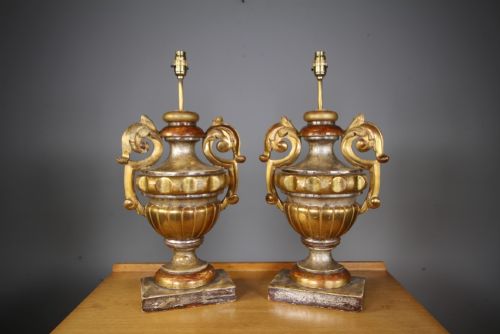
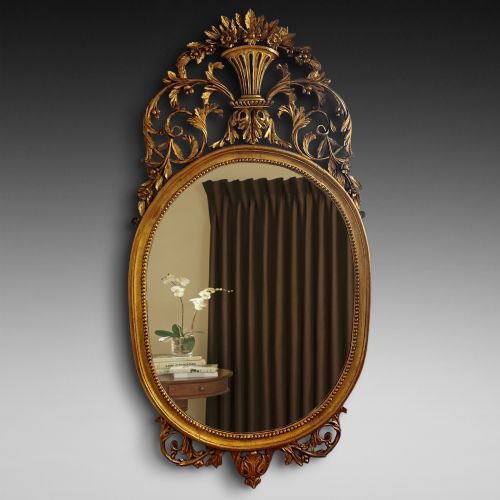
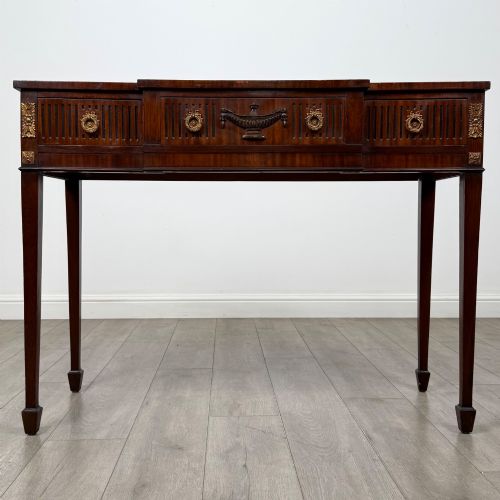
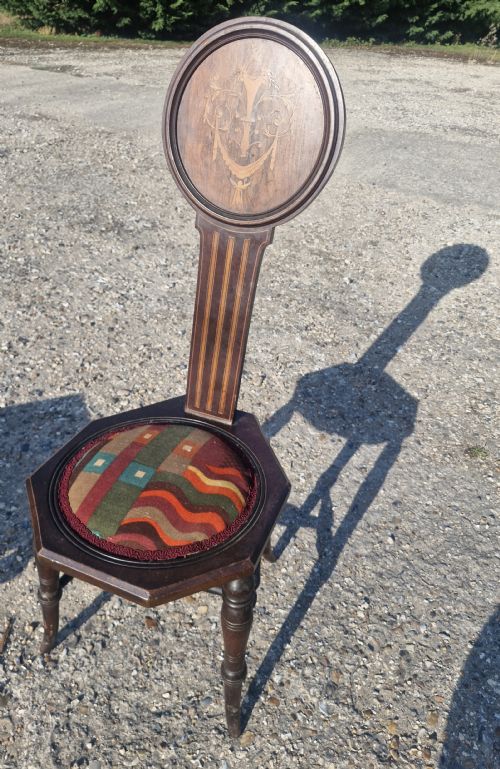
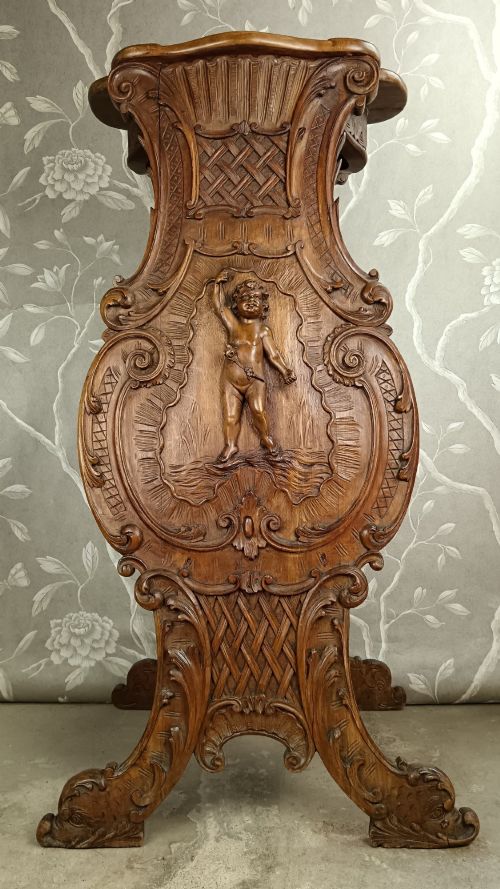
A carved wood urn encompasses decorative vessels and associated pedestals originating from the eighteenth, nineteenth, and early twentieth centuries. These objects reflect Neoclassical, Georgian, and Qing Dynasty design influences, appearing alongside related plant stands and jardiniere tables.
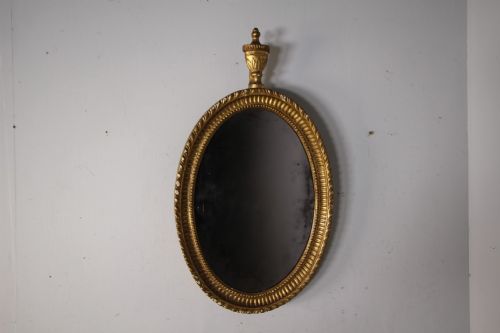
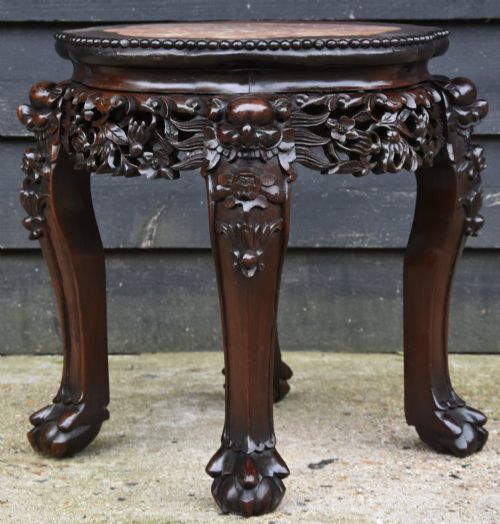
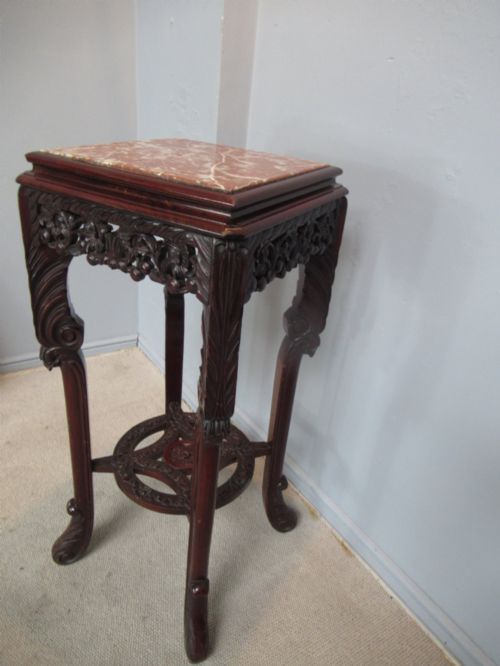
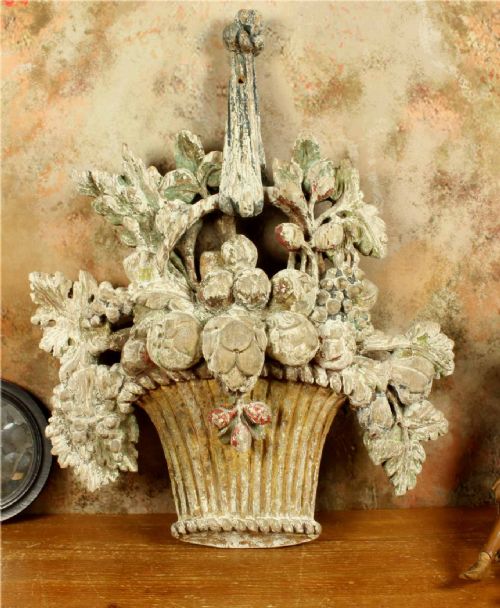
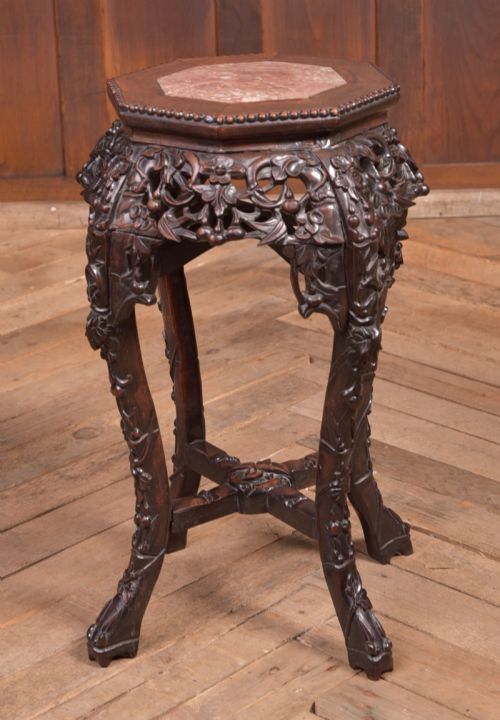
The versions most commonly met on this page combine traditional sculptural woodcarving with functional forms such as lidded chalices, occasional stands, and decorative wall reliefs. Many examples integrate contrasting materials like inset marble tops or giltwood surfaces.
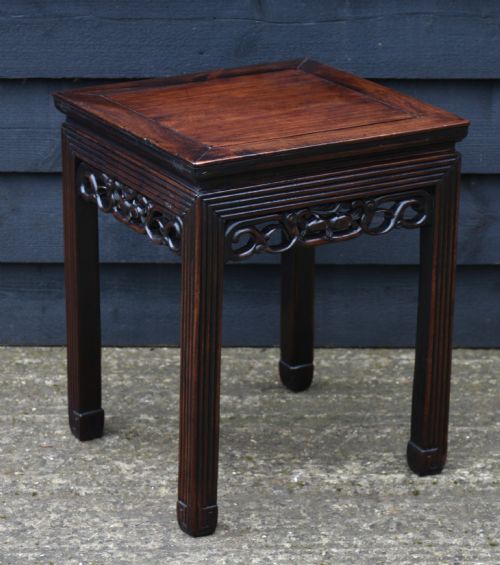
Makers ranged from European provincial workshops to Chinese artisans producing dense hardwood 'hongmu' stands, alongside specialist English and French cabinet makers creating decorative household objects.
Materials and construction methods
Construction relies primarily on dense hardwoods including rosewood, walnut, mahogany, and fruitwood, alongside supportive pine frameworks for gesso and giltwood finishes. Artisans selected these materials for their stability and capacity to hold crisp, intricate chisel work.
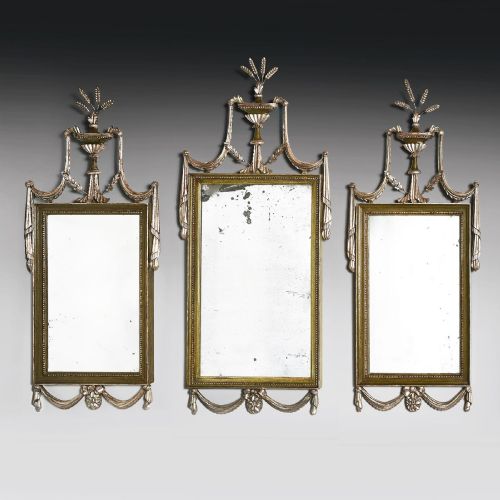
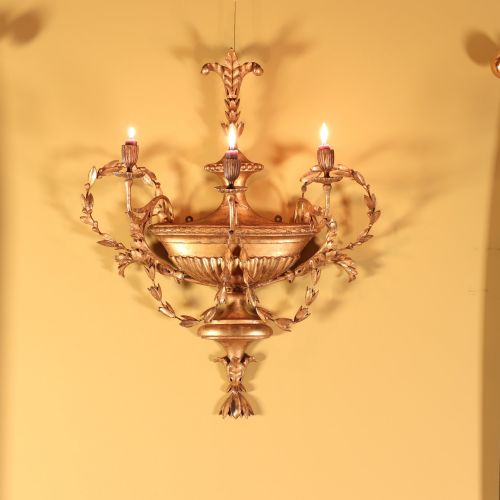
Surface decoration frequently combines hand carving with applied gesso, silvering, or traditional gilding techniques to accentuate sculptural details. Certain pieces incorporate inset marble panels or contrasting exotic woods to create textured, multifaceted decorative objects.
Fruitwood page turners and lidded pomanders demonstrate that historic woodcarvers applied the same meticulous artistry to pocket-sized desk tools as to grand architectural urns.
Distinctions in quality and execution
Quality reveals itself in the crispness and depth of the hand carving, where superior examples exhibit fluid botanical or classical motifs without mechanical stiffness. The definition of the chisel work across dense rosewood, walnut, or fruitwood dictates the overall sculptural success of the object.
The integrity of the original surface finish, whether undisturbed giltwood, gesso, or polished hardwood, marks the upper tier of preservation. Secondary woods, proportional balance, and the integration of secondary elements such as marble inserts further separate standard production pieces from exceptional works.
Gillows Of Lancaster·Liberty of London
The Carved Wood Urn Glossary
- Giltwood
- Wood that has been coated with gold leaf or a metallic substitute. This technique highlights carved architectural and decorative mouldings on mirrors and furniture.
- Gesso
- A plaster-like mixture applied to wood surfaces as a base for paint or gilding. It allows craftsmen to model sharp relief details before applying gold leaf.
- Treen
- Small handmade wooden household objects produced from fruitwoods and dense hardwoods. Collectors prize these items for their tactile surfaces and historical utility.
- Hongmu
- A traditional Chinese classification for dense, durable hardwoods used in fine furniture. These materials often feature dark, rich grain patterns suited to intricate carving.
- Torchere
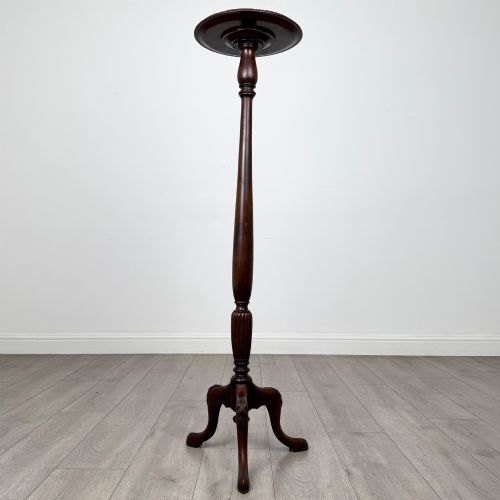
- A tall stand or pedestal originally designed to support a candle or lamp. Nineteenth-century examples frequently feature heavily carved columns and circular tops.
Carved Wood Urn: Frequently Asked Questions
What is a carved wood urn used for?
These decorative objects served primarily as ornamental focal points, architectural accents, or pedestals for displaying smaller art pieces within period interiors.
Over successive centuries, skilled craftsmen shaped them from dense timbers to embody classical tastes and display refined decorative carving.
How do I identify a nineteenth-century piece?
Nineteenth-century examples frequently display dense hardwood construction, hand-cut joinery, and stylistic references ranging from Victorian revival to Qing Dynasty aesthetics.
Examining the tool marks on the underside or interior surfaces helps confirm the period manufacturing methods used by the maker.
Where should I place an urn stand?
These stands suit quiet corners, hallways, or reception rooms where their carved details and contrasting marble tops remain visible.
Ensure the placement protects the polished hardwood or giltwood surfaces from direct sunlight and excessive humidity fluctuations.
How do I care for antique carved wood?
Maintain these surfaces by dusting gently with a dry, soft cloth to prevent particulate accumulation within the intricate carved recesses.
Avoid applying modern liquid polishes or harsh chemical cleaners that might degrade original gesso, wax, or gilt finishes.