



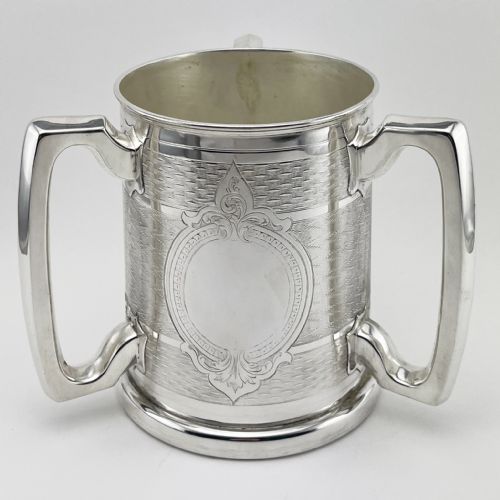


Antique Communion Cup
An antique communion cup is a sacred vessel of metal or turned wood that brings centuries of ritual history directly into your home.
Antique Communion Cup
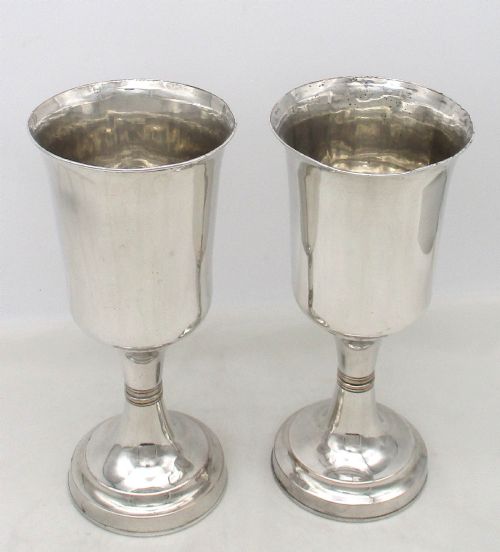
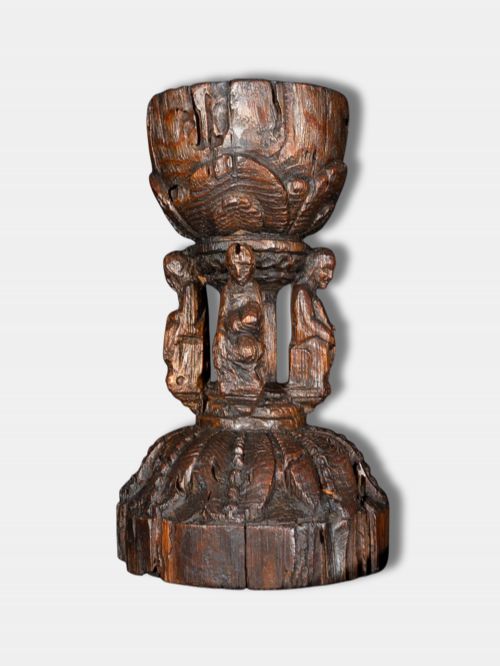
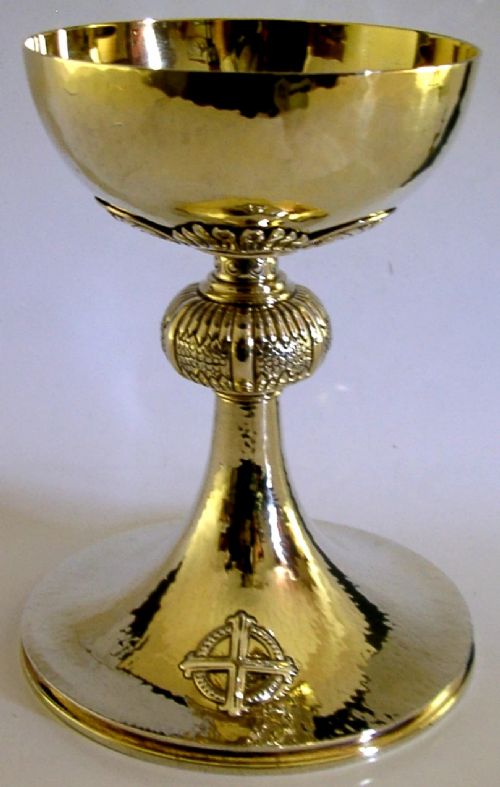
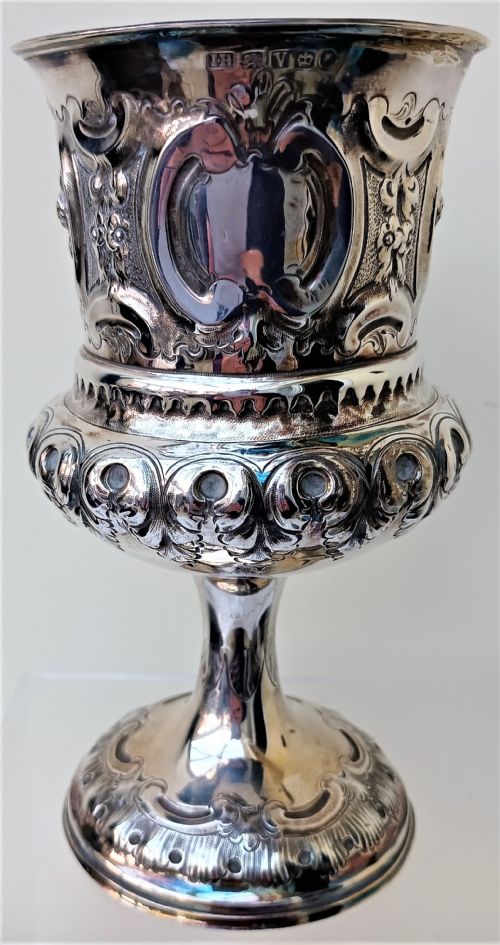
When you search for an antique communion cup, you encounter a specialised vessel designed for religious services, taking the form of chalices, goblets, and loving cups. These pieces span multiple centuries, originating from workshops across England, Ireland, Italy, and Spain.
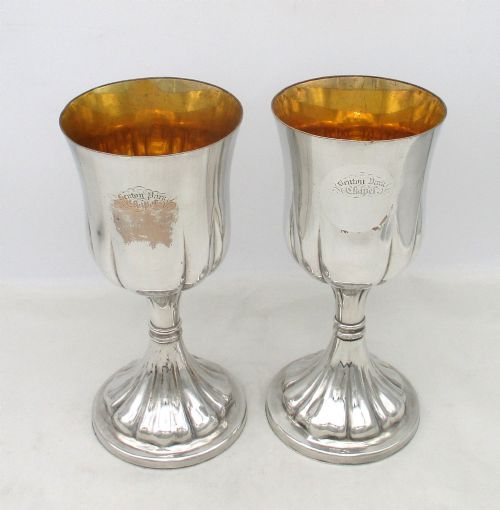
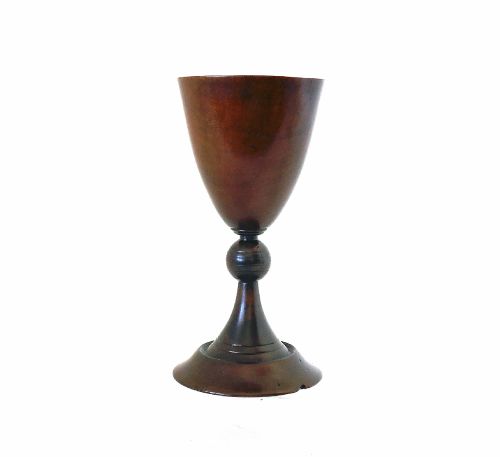
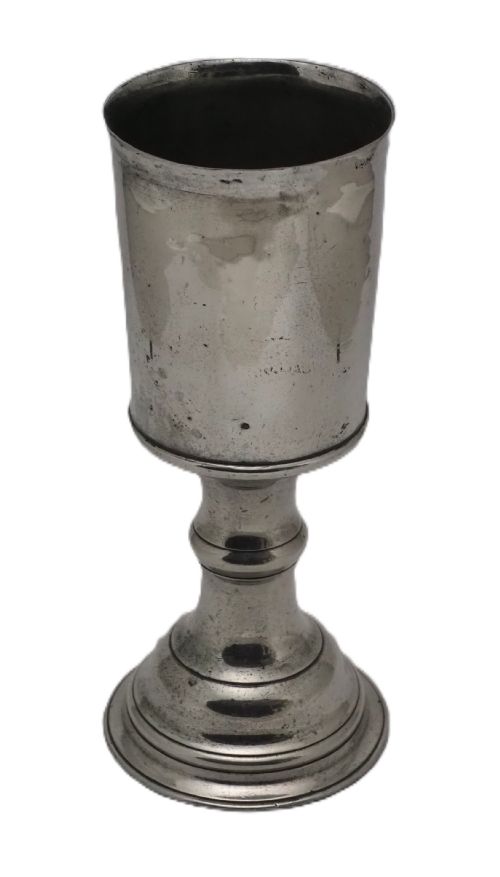
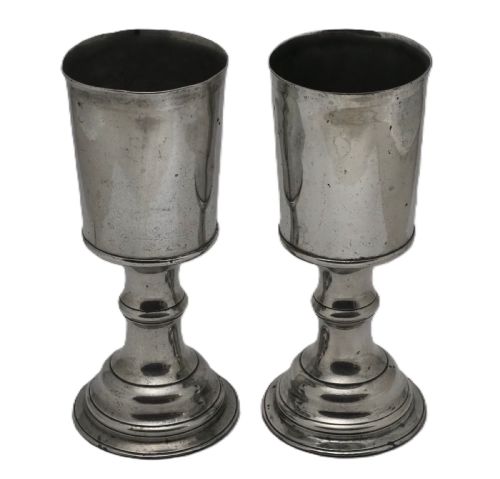
The most common examples on this page are metal vessels rendered in sterling silver, silver plate, or pewter, often bearing the characteristic deep bowl and stemmed foot. Alongside these metal forms, turned wooden cups fashioned from fruitwood or walnut appear from earlier centuries.
Stylistic influences range from austere Georgian and Regency designs to ornate Victorian Gothic Revival interpretations. Ecclesiastical examples often feature parcel gilt interiors or engraved decoration suited to their sacred purpose.
What varies in quality
The distinction between ordinary and exceptional pieces rests primarily upon the skill of the silversmith, turner, or metalworker. Crispness in chased and engraved details, harmonious proportions between the bowl and the domed foot, and the integrity of applied plating separate standard items from finer examples.
Weight and substance also dictate grade, as heavier gauge silver and robust pewter retain their structural form better over centuries of handling. Maker marks and hallmarks provide further distinction, grounding the piece securely in a known silversmithing tradition.
The selection includes both secular drinking vessels and ecclesiastical chalices representing Georgian, Victorian, and Regency styles.
George Unite·John hunt and Robert Roskell·William Eaton·James Deakin and Sons·Richard Gurney
The Antique Communion Cup Glossary
- Chalice
- A large stemmed cup used for drinking sacramental wine during religious services. These vessels typically feature a deep bowl atop a knopped stem and a wide, stable foot.
- Old Sheffield Plate
- An early composite material made by fusing a thin layer of sterling silver to a thicker copper base. This technique creates items with the appearance of solid silver but distinct edge construction.
- Parcel Gilt
- A surface treatment where only specific portions of an object, usually the interior bowl of a cup, receive a thin coating of gold. This protects the base metal from corrosion.
- Bright Cut
- An engraving technique utilising angled cutting tools to create facets that catch the light. It produces sharp, geometric patterns across silver surfaces.
- Ciborium
- A covered container used to hold sacramental bread or wine in ecclesiastical settings. These pieces often feature secure lids and heavy, embellished bases.
Antique Communion Cup: Frequently Asked Questions
How do I identify the period of a cup?
Dating relies heavily on hallmarks stamped into the metal, stylistic indicators, and manufacturing methods. Georgian pieces often display bright cut engraving, while Victorian examples frequently embrace Gothic Revival motifs.
Sheffield plating techniques and turned wood grain patterns offer further clues to the century of manufacture.
Were these cups used in homes?
While originally created for church services and ecclesiastical rites, many similar vessel forms served domestic purposes as loving cups or secular goblets. Over time, decommissioned church silver often transitioned into private hands or collections.
Heavier chalices retain their altar origins, while lighter sterling silver goblets frequently served dining or commemorative functions.
How should I care for silver chalices?
Care requires minimal, gentle cleaning to preserve the historic patina and delicate engraving. Avoid abrasive polishes that can wear away thin silver plating or Old Sheffield plate layers.
Wooden cups benefit from stable room humidity to prevent the timber from drying out or splitting over time.