

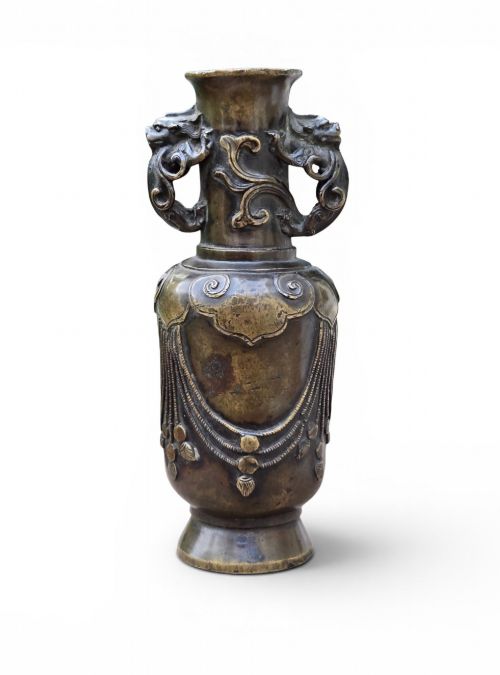


Antique Altar Vessel
An antique altar vessel carries centuries of ritual devotion, bridging domestic display with sacred spaces through remarkable craftsmanship.
Antique Altar Vessel
When you search for an antique altar vessel, you encounter a diverse range of objects designed for ceremonial or religious use. These pieces bridge sacred traditions from both European ecclesiastical settings and Asian ritual practices.
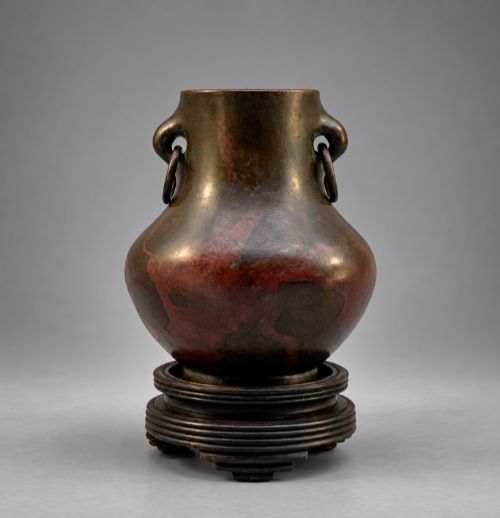
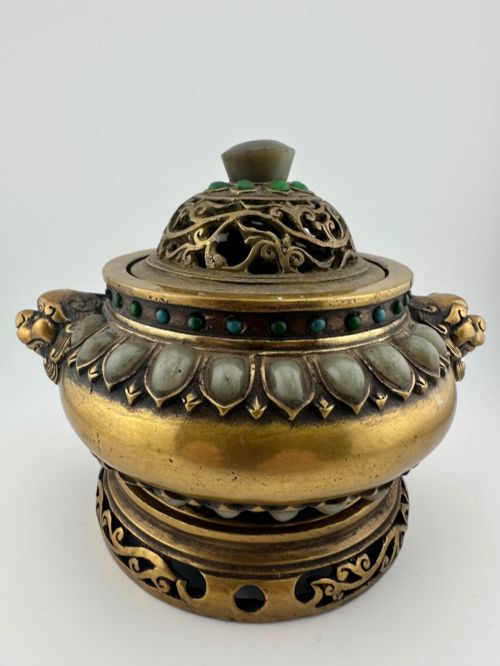
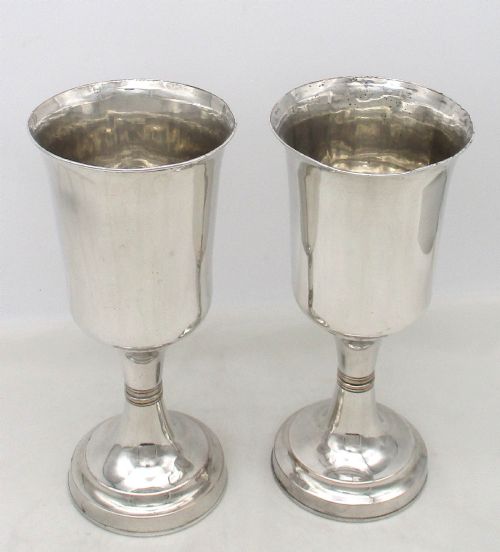
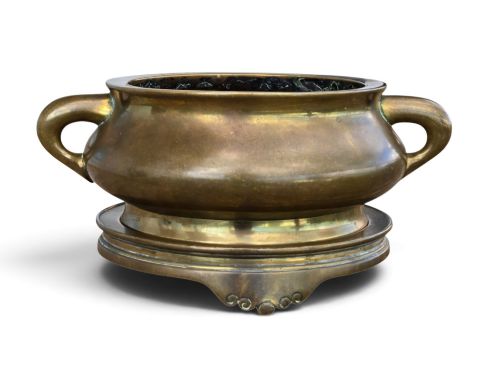
You are most likely to meet bronze censers, silver-plated church chalices, and archaic-style vases on this page. The forms span from Gothic Revival communion sets to Qing dynasty ritual vessels.
Origins vary between British Victorian churches and Himalayan Buddhist monasteries, alongside Chinese workshops producing archaic revival pieces. Each object reflects the specific liturgical requirements of its tradition.
Materials and Construction
Metalwork dominates the construction, utilising cast bronze, brass, and copper alloy alongside silver plating over base metals. Artisans shaped these durable materials through casting, hammering, and detailed surface engraving.
Select pieces incorporate organic or mineral elements like carved hardstone and jade inlays. Wood also appears in specific ritual contexts, providing contrasting textures within the material palette.
Materials represented include bronze, silver plate, brass, jade, hardstone, copper, and wood.
Assessing Quality
Quality rests upon the crispness of the casting and the depth of the metalwork detailing. Superior examples exhibit precise handling of archaic motifs or ecclesiastical ornamentation without blurring or softening.
The integration of secondary elements, such as fitted stands, hardstone inlays, or dragon handles, distinguishes exceptional items. Heavier weight and balanced proportions generally indicate more substantial manufacture.
Elkington Mason
The Antique Altar Vessel Glossary
- Censer
- A vessel specifically designed for burning incense during religious rituals. These often feature pierced covers to allow smoke to escape.
- Chalice
- A scheduled standing cup used to hold sacramental wine during Christian communion services. They are frequently fashioned from silver plate or solid brass.
- Archaistic
- A stylistic choice where later makers deliberately emulate the forms and decorative motifs of ancient dynasties. This approach appears frequently in Chinese bronze vessels.
- Gu
- A traditional Chinese ritual bronze beaker shape with a flared neck and tall body. They served as ceremonial wine or altar vessels.
- Ciborium
- A covered container used in churches to hold the consecrated bread of the Eucharist. It resembles a chalice but possesses a domed lid.
Antique Altar Vessel: Frequently Asked Questions
What is an antique altar vessel used for?
These objects served sacred functions in religious ceremonies, from burning incense in Chinese temples to holding communion wine in Victorian churches. They were central to ritual practices across different cultures and faiths.
Today, collectors use them as decorative focal points in interior settings, appreciating their sculptural forms and historical resonance.
How do I identify Chinese bronze altar pieces?
Look for traditional shapes like the gu or hu, often decorated with archaic motifs such as taotie masks or dragon handles. The patina and casting style usually reflect periods like the Qing dynasty.
Many of these pieces were made for imperial or domestic ancestor altars rather than Western churches.
Are silver plated church chalices durable?
Silver plating over base metals like brass or copper alloy provides a sturdy structure while maintaining a bright metallic finish. These chalices were built to withstand regular ecclesiastical use.
Care should be taken during cleaning to preserve the remaining plating layer.
How do I display these vessels at home?
Their strong sculptural presence allows them to stand alone on sideboards, mantels, or display cabinets. Pairing a censer with its original matching stand enhances its visual impact.
Keep them away from direct moisture to protect exposed bronze and silver surfaces.