




Victorian Church Silver
Victorian church silver gathers the chalices, communion sets, and devotional vessels forged for parish worship during the nineteenth century.
Victorian Church Silver
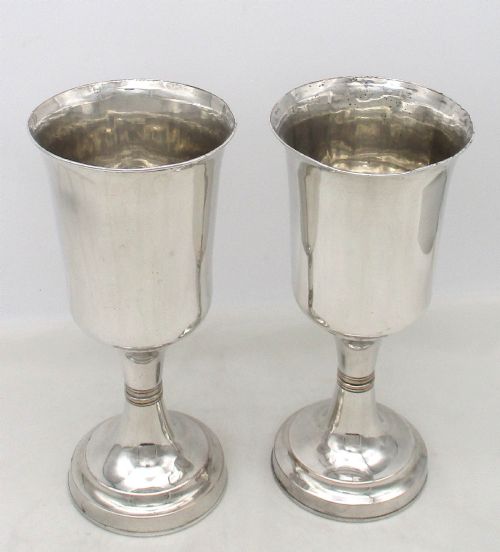
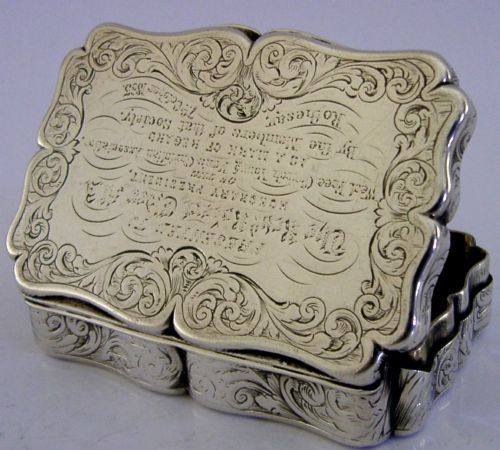
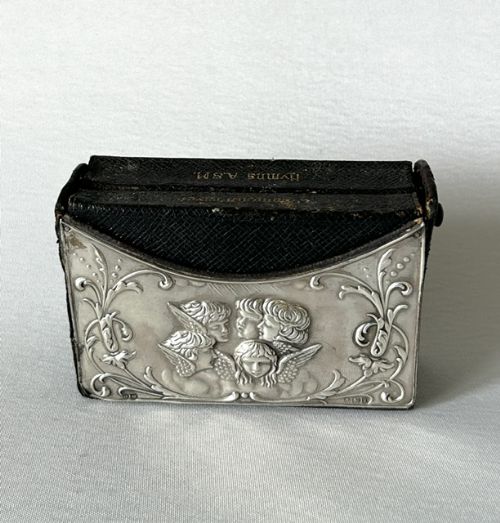
Victorian church silver spans the ecclesiastical vessels and metalwork commissioned for parish worship during the nineteenth century. These objects include communion sets, chalices, wine flagons, and devotional boxes designed for liturgical use.
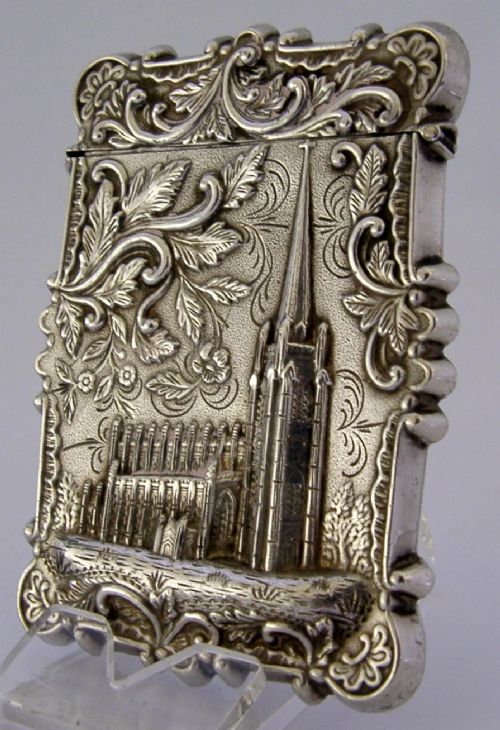
The pieces on this page lean heavily toward the Gothic Revival style, reflecting the architectural and decorative revivals of the period. You will frequently encounter communion chalices in Old Sheffield Plate alongside sterling silver travelling sets and boxes.
Originating largely from nineteenth century workshops, these items served active roles in church services, private devotions, and parish ceremonies. Their survival offers a direct connection to the ecclesiastical craftsmanship of the era.
How they were made
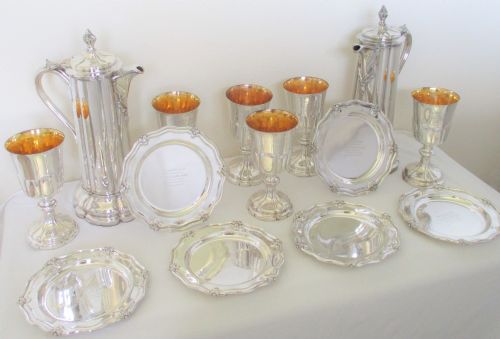
Makers utilised sterling silver, Old Sheffield Plate, and silver plate over copper to fabricate these ecclesiastical vessels. The application of gold gilding often highlighted the interior bowls of chalices and the details of communion sets.
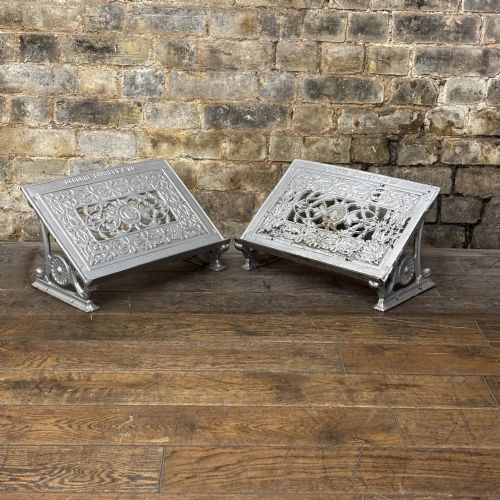
Techniques combined traditional silversmithing with specialised plating methods to achieve durable yet ornate liturgical objects. Cast iron and leather also appear in auxiliary items such as book rests and fitted travelling cases.
Listings feature 19th Century, Victorian, and Edwardian periods alongside materials such as Old Sheffield Plate, sterling silver, silver plate, and leather.
What varies in quality
Quality rests in the crispness of the Gothic Revival ornamentation and the depth of the metalwork. Pieces showing sharp cast detailing and careful hand finishing stand apart from simpler production items.
The choice of material heavily dictates the grade of the piece, with substantial sterling silver examples and well-preserved Old Sheffield Plate pieces representing the higher tiers of manufacture.
Osborne Garrett & Co·Elkington Mason
The Victorian Church Silver Glossary
- Old Sheffield Plate
- A composite metal made by fusing a sheet of silver to a thicker base of copper. This method was widely used for chalices and flagons before electroplating took over.
- Communion Set
- A portable collection of vessels required for administering the sacrament. These sets typically include a chalice, paten, and small flagon housed within a fitted leather box.
- Gothic Revival
- An architectural and artistic style popular during the Victorian era that drew inspiration from medieval forms. It dominates the ornamentation found on nineteenth century ecclesiastical metalwork.
- Chalice
- A scheduled cup used to hold sacramental wine during communion services. Victorian examples frequently display exaggerated node stems and deep, gilded bowls.
Victorian Church Silver: Frequently Asked Questions
What is Victorian church silver?
Victorian church silver encompasses the metal vessels, chalices, and communion sets produced for religious services during the nineteenth century. These items were fashioned from sterling silver, silver plate, and Old Sheffield Plate.
They reflect the dominant Gothic Revival aesthetic of the period, bringing medieval architectural motifs into parish worship and private devotions.
How were travelling communion sets used?
Travelling communion sets allowed clergy to administer the sacrament to the sick or housebound outside of regular church services. These compact kits included essential vessels secured inside fitted leather boxes.
The portable nature of these sets made them robust and practical for active nineteenth century parish priests.
What is Old Sheffield Plate?
Old Sheffield Plate is an early form of plated metal created by fusing silver to a copper core through heat and pressure. It appears frequently on nineteenth century chalices and flagons.
Over time, minor wear may reveal the warm copper tone beneath the silver surface, marking the age and authenticity of the piece.
How do I identify Gothic Revival church pieces?
Gothic Revival pieces are identified by their pointed arches, quatrefoil motifs, and heavy architectural tracery. These designs sought to emulate medieval ecclesiastical aesthetics.
In church silver, this translates to structured node stems on chalices and deeply embossed religious decoration.