


19th Century Flagon
A 19th century flagon brings sturdy utility and rich materials into a room, offering functional historical presence for everyday use and display.
19th Century Flagon
A 19th century flagon encompasses a variety of robust pouring vessels designed for holding wine, spirits, water, or communion wine. Buyers searching this phrase encounter sturdy utilitarian containers as well as highly decorative table pieces from the Victorian era.
The selections span across diverse forms including decanters, ewers, tankards, carboys, and spirit flasks. Originating from English, French, German, and Italian workshops, these vessels reflect both domestic service and ecclesiastical use.
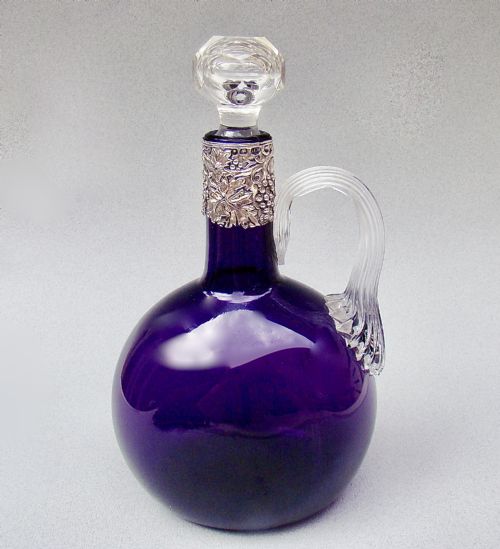
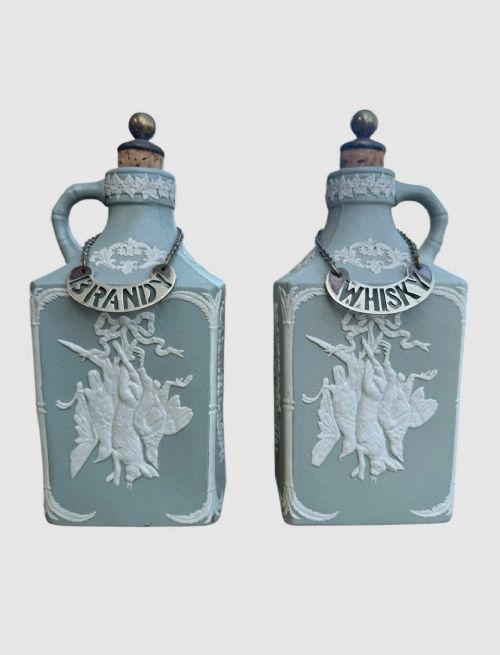
Surviving examples frequently combine ceramics like stoneware and slipware with metal mounts in pewter, silver plate, and bronze. Glass versions appear in clear, ruby, amber, and Bristol blue variants, often fitted with cork or hinged lids.
Materials and construction
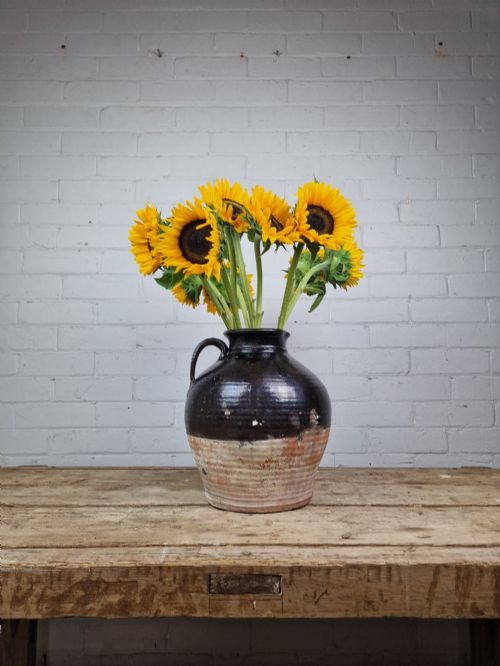
Makers utilised heavy utilitarian materials such as stoneware, earthenware, copper, and pewter for durable vessels intended for tavern or church service. Glazed finishes and slip decoration provided both protection and rustic visual appeal on ceramic bodies.
Glass production involved hand-blowing techniques, yielding rich hues of cranberry, amber, and ruby overlay, occasionally enhanced with engraved motifs. Master craftsmen paired these glass bodies with cast and chased silver-plated mounts or fitted cork stoppers.
Metalworking traditions produced bronze Grand Tour ewers and heavy copper flagons alongside traditional pewter measures. Assemblage required precise soldering and mounting to secure metal handles, spouts, and lids to glass or ceramic vessels.
The documented styles span Rustic Country, Victorian Ecclesiastical, and Grand Tour aesthetics.
Judging quality and craftsmanship
Quality rests in the weight and balance of the vessel, alongside the crispness of any engraved decoration or moulded motifs. Superior pieces demonstrate careful integration between glass or ceramic bodies and their metal mounts, hinges, or handles.
Material choice and decorative ambition separate standard utility ware from important display pieces. Elaborate cut glass, hand-engraved armorials, or substantial silver-plated frameworks distinguish the finest examples from plain tavern measures.
Henry Matthews·Royal Doulton
The 19th Century Flagon Glossary
- Flagon
- A large vessel with a handle and spout or lid used for holding liquids. They often served ecclesiastical or communal dining purposes.
- Ewer
- A large jug with a flared shape and a looped handle, traditionally used for pouring water. Victorian examples frequently draw on classical forms.
- Slipware
- Pottery decorated with a liquid clay mixture applied before firing. It creates simple linear or patterned surface designs on earthenware.
- Carboy
- A large globular glass or plastic bottle set in a protective frame. Older versions typically served for transporting liquids in bulk.
- Pewter
- A malleable metal alloy consisting primarily of tin. It provided a durable material for tavern measures and church flagons throughout the period.
19th Century Flagon: Frequently Asked Questions
What were 19th century flagons used for?
These vessels served diverse practical purposes across households, taverns, and churches. They held wine, spirits, beer, and water for daily consumption or formal dining.
Ecclesiastical examples specifically held sacramental wine for communion services. Large copper and stoneware versions also functioned as storage containers for bulk liquids.
How do I care for a glass or ceramic flagon?
Wash glass and ceramic surfaces gently by hand using lukewarm water and mild soap. Avoid abrasive sponges that might scratch delicate glass or historical glazes.
Metal mounts and pewter require minimal polishing to preserve their historic patina. Keep cork stoppers dry to prevent degradation over time.
How can I tell the period of a flagon?
Examine the manufacturing marks, base pontil scars, and material characteristics to determine age. Victorian pieces often feature registration marks or specific maker stamps on metal mounts.
Stylistic cues such as rustic slip decoration, Grand Tour bronze casting, or heavy amber glass provide reliable chronological indicators.
Where should I display a heavy metal flagon?
Place substantial metal and stoneware flagons on sturdy sideboards, mantelpieces, or open shelving. Their heavy forms anchor a room and pair well with rustic or traditional interiors.
Ensure glass pieces sit away from direct sunlight to protect the rich amber and ruby hues from fading.