


Antique Ecclesiastical Silver
Antique ecclesiastical silver brings sacred altar vessels and devotional objects into domestic or chapel settings through enduring metalwork.
Antique Ecclesiastical Silver
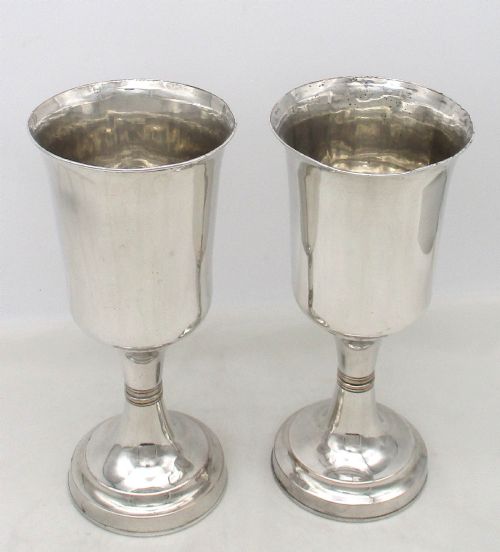
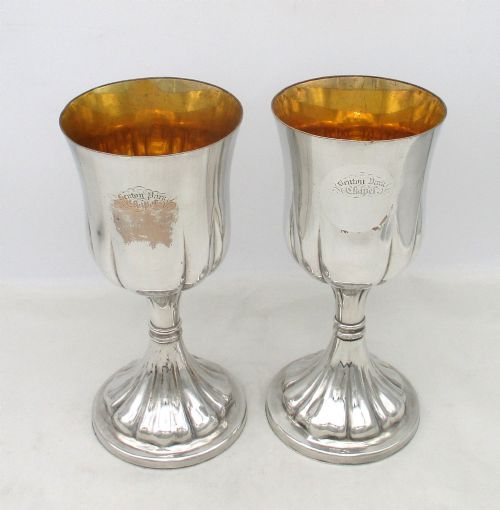
When you search for antique ecclesiastical silver, you encounter sacred items created for Christian worship, ranging from chalices and pyx boxes to communion sets and altar candlesticks. The selection spans the eighteenth, nineteenth, and twentieth centuries, reflecting changing liturgical requirements across different decades.
The most frequent items on this page are communion chalices and silver-plated vessels dating from the Victorian period and earlier decades of the nineteenth century. These pieces often exhibit Gothic Revival influences, matching the architectural tastes prevalent in churches during that era.
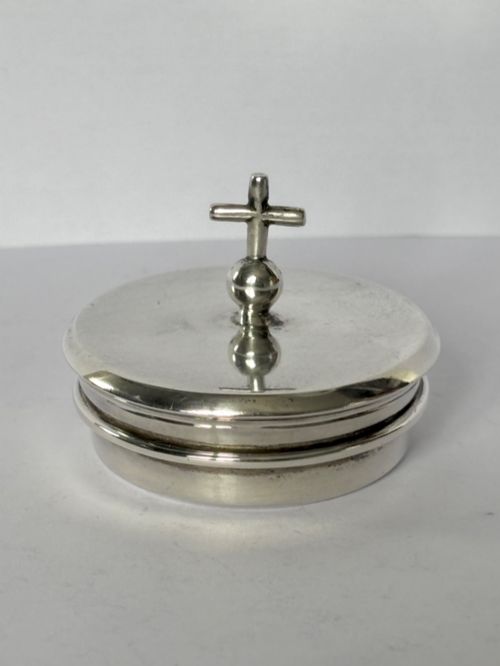
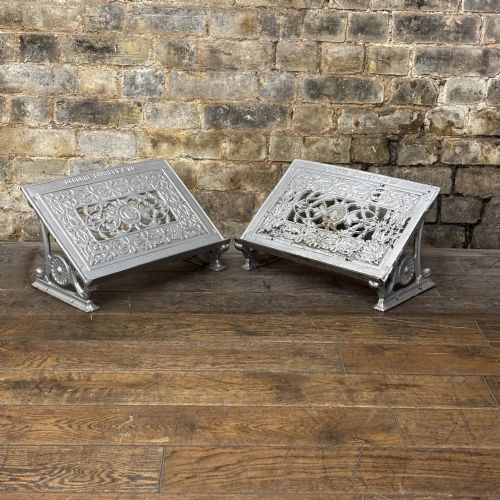
Beyond vessels, the material evidence includes diverse objects such as pyx boxes, book rests, altar crosses, and religious figures in silver, silver plate, and other metals. Each piece served a specific sacramental or devotional function within a church or chapel environment.
Materials and construction methods
Items in this category rely heavily on sterling silver, silver gilt, and silver plate, alongside Old Sheffield Plate where a thin layer of silver is fused to a copper base. These metallic surfaces are frequently complemented by secondary materials like wood, iron, and copper in items such as prickets and book rests.
Manufacturing techniques range from heavy cast iron and hand-carved wood covered in silver leaf to precision silversmithing marked by British assay office hallmarks. Plated items demonstrate advanced nineteenth-century plating methods that provided the rich appearance of solid silver at a larger scale.
Object forms range widely from altar chalices and pyx boxes to book rests, pricket candlesticks, religious icons, and statues.
Quality factors in sacred metalwork
The distinction between standard items and superior pieces rests on the weight of the metal, the clarity of the maker marks, and the depth of the chasing or engraving. Pieces bearing clear hallmarking from known makers command greater attention due to verifiable provenance.
Craftsmanship in structural details, such as the stability of a domed foot on a chalice or the crispness of cast decorative elements like figures and cherubs, determines the overall calibre of a liturgical object.
F. Osbourne & Co·Burns Oats & Washbourne·FA Barrett·Osborne Garrett & Co·William Garrard·Elkington Mason·AR Mowbray & Co
The Antique Ecclesiastical Silver Glossary
- Chalice
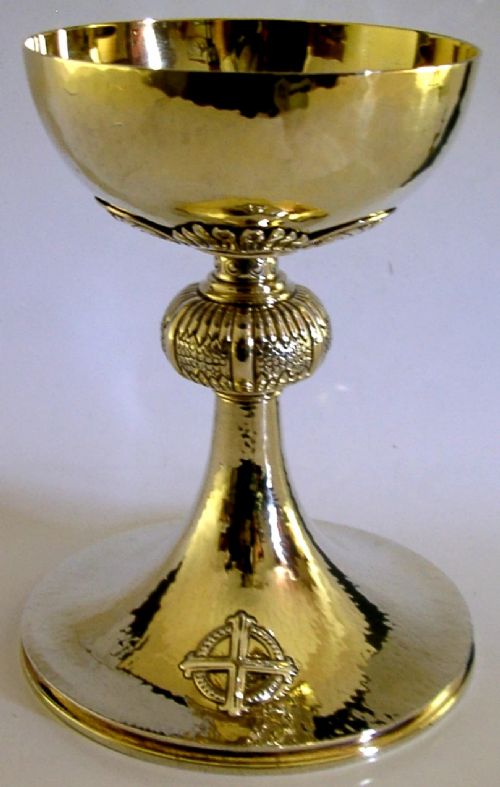
- A consecrated cup used to hold sacramental wine during Christian communion services. These vessels typically feature a substantial stem and a wide domed foot.
- Old Sheffield Plate
- An early method of fusing a sheet of silver to a copper core. This technique predates modern electroplating and produces a distinctive warm metallic sheen.
- Paten
- A small plate or dish used to hold the bread during the Eucharist. Eighteenth-century examples are frequently shallow and circular in form.
- Pricket
- A sharp metal spike located on top of a candlestick to hold a large wax taper or candle in place. They are common on altar candlesticks from the eighteenth and nineteenth centuries.
Antique Ecclesiastical Silver: Frequently Asked Questions
What is a pyx box used for?
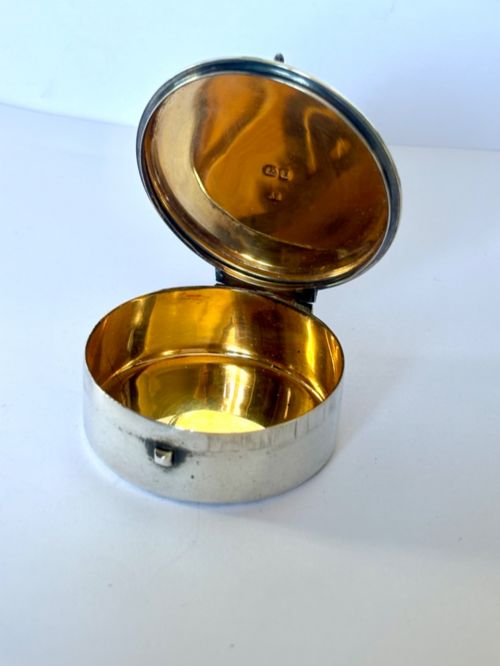
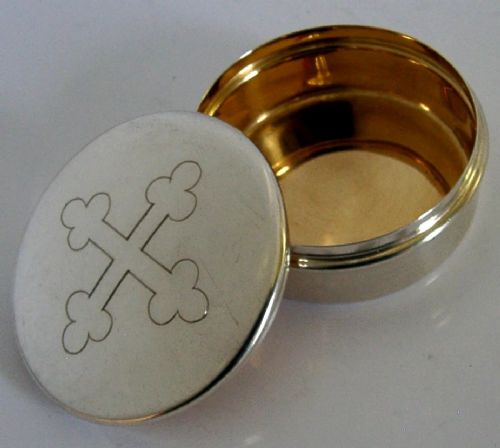
A pyx box functions as a small secure container designed to transport the consecrated host safely. They were traditionally utilised by clergy visiting the sick or homebound.
Most surviving examples date from the late nineteenth and mid-twentieth centuries, often fabricated in sterling silver with gilt interiors.
How do I identify Old Sheffield Plate?
Old Sheffield Plate involves fusing a thin layer of silver over a copper base rather than using electrical current. Under close examination, you may spot subtle copper lines where the edge of the silver sheet terminates.
This technique produces a softer lustre compared to nineteenth-century electroplated wares.
How should I clean antique silver plate?
Sacred metalwork requires minimal intervention to preserve its original patina and any delicate silver leaf or gilding. Gentle dusting with a soft cloth is usually sufficient for regular maintenance.
Harsh chemical dips must be avoided, as they strip away historical ageing and can damage plated or gilt surfaces permanently.
What defines Gothic Revival church silver?
Gothic Revival metalwork draws inspiration from medieval architecture, incorporating pointed arches, trefoils, and heavy tracery into the design of chalices and candlesticks. This aesthetic dominated nineteenth-century ecclesiastical production.
These pieces often display rich relief work and solemn proportions intended to evoke medieval piety.