





Antique Sheffield Plate Jug
An antique sheffield plate jug combines copper and silver fused together, offering the heavy warmth and rich sheen of early metalwork.
Antique Sheffield Plate Jug
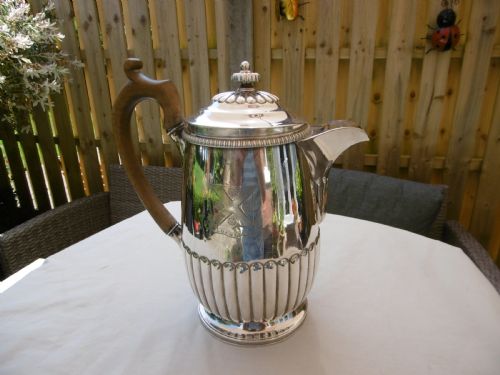
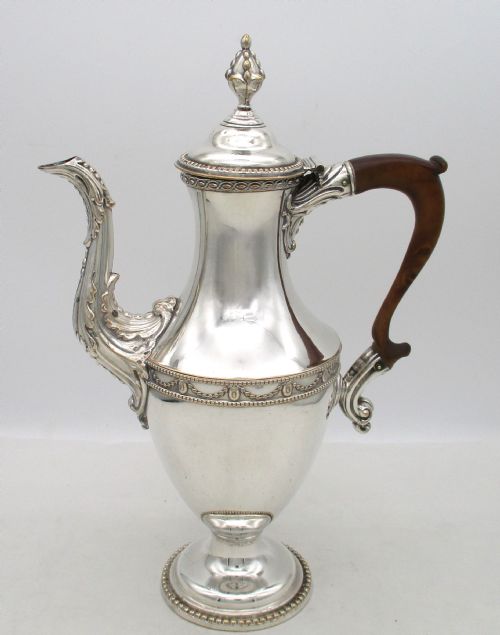
An antique sheffield plate jug spans utilitarian vessels like beer jugs and coffee pots through to wine ewers and decanters. These pieces emerge from the eighteenth and nineteenth centuries, taking forms typical of the Georgian, Regency, and Victorian eras.
The selections on this page highlight tall coffee jugs, quart tankards, and communion vessels alongside sugar bowls and cream sets. Buyers encounter items associated with table service and hospitality, produced during distinct historical periods.
Originating in England, these vessels showcase the early manufacturing methods that preceded modern electroplating. The forms reflect the domestic and ecclesiastical needs of their respective eras, from early eighteenth-century beer jugs to mid-nineteenth-century wine carafes.
Materials and Techniques
Old Sheffield plate involves fusing a thin sheet of silver to a thicker copper core under heat, then rolling the composite metal into sheets for forming. This fusion method creates a durable material where the underlying copper sometimes shows through highlights and wear.
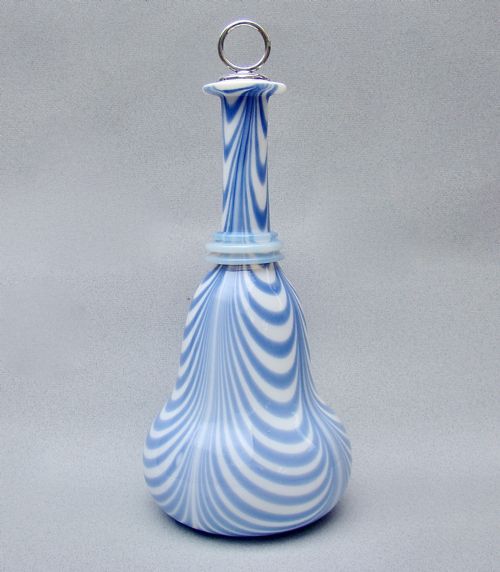
Makers shaped the fused metal by hand-raising or spinning, and reinforced rims often utilised applied sterling silver wire borders to hide exposed copper edges. Additional elements like glass and wood appear in specific forms, such as Nailsea glass wine carafes and handled pots.
Surface decoration frequently includes hand-engraved coats of arms, crests, and early maker marks stamped directly into the metal. These finishing details demonstrate the skill required to work the dual-layer material without damaging the silver skin.
Some nineteenth-century wine carafes combine blown Nailsea glass bodies with old sheffield plate mounts, proving that makers loved a mixed-media drink.
Evaluating Quality
Quality depends upon the preservation of the original silver layer over the copper substrate, alongside the crispness of applied decorative wire borders. Pieces retaining minimal copper bleed through heavy polishing display superior original craftsmanship and careful ownership.
The integrity of hand-engraved crests and coats of arms distinguishes finer examples, as does the presence of clear early maker marks stamped into the base or body. Proportion, balance, and the retention of original wooden or metal handles also define the higher tier of these vessels.
Matthew Boulton·John Hoyland
The Antique Sheffield Plate Jug Glossary
- Old Sheffield Plate
- A composite material made by fusing silver and copper together through heat and pressure before rolling.
- Silver Plate
- A general term for base metals coated with a thin layer of silver, encompassing both early fused methods and later electroplating.
- Wine Ewer
- A decorative pitcher used for serving wine at the table, often featuring classical forms and engraved crests.
- Quart Tankard
- A large drinking vessel with a single handle, designed to hold a quart of liquid during the Georgian period.
- Nailsea Glass
- A distinctive type of glasswork often paired with metal mounts in nineteenth-century carafes and decanters.
Antique Sheffield Plate Jug: Frequently Asked Questions
What is an antique sheffield plate jug?
It is a hollowware vessel created by fusing silver to a copper core, produced primarily in England during the eighteenth and nineteenth centuries. These items include coffee pots, beer jugs, and wine ewers.
They served functional roles in domestic dining and hospitality, utilising a distinct manufacturing technique that preceded nineteenth-century electroplating.
How do I care for old sheffield plate?
Clean the surface gently with a non-abrasive silver cloth and mild soap to avoid wearing through the thin silver layer to the copper beneath. Store the vessels in a stable environment away from extreme humidity.
Regular careful maintenance preserves the engraved crests and original highlights without harming the historic metal surface.
How can I date an antique sheffield plate jug?
Dating relies on stylistic clues, manufacturing characteristics, and early maker marks stamped into the metal body. Pieces span the Georgian, Regency, and Victorian periods.
Earlier eighteenth-century examples often display distinct weight, simpler maker marks, and heavier copper components compared to later nineteenth-century items.
What is the difference between silver plate and old sheffield plate?
Old sheffield plate specifically refers to the mechanical fusion of a silver sheet onto copper through heat and rolling. Later silver plate typically utilises nineteenth-century electroplating techniques.
This distinction affects the weight, edge characteristics, and how the underlying copper reveals itself through decades of use and polishing.