
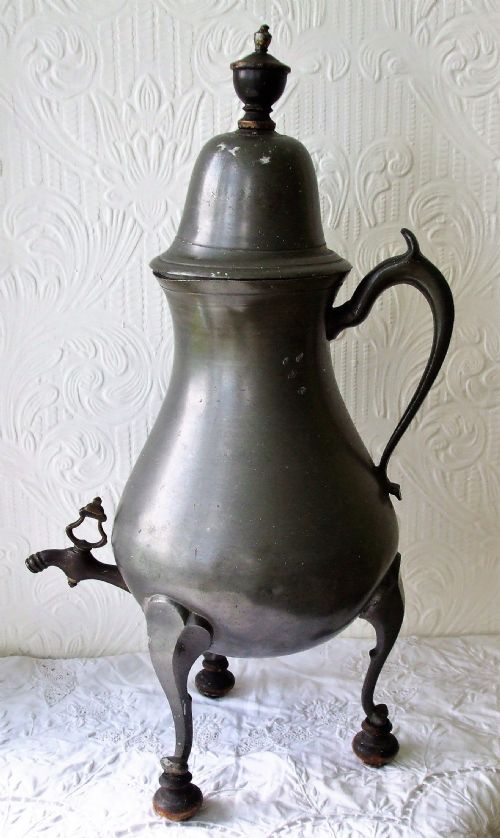
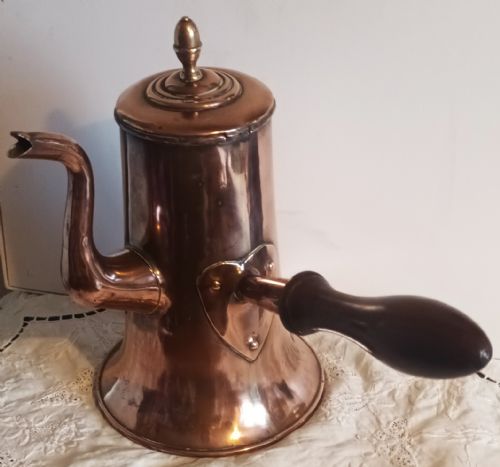
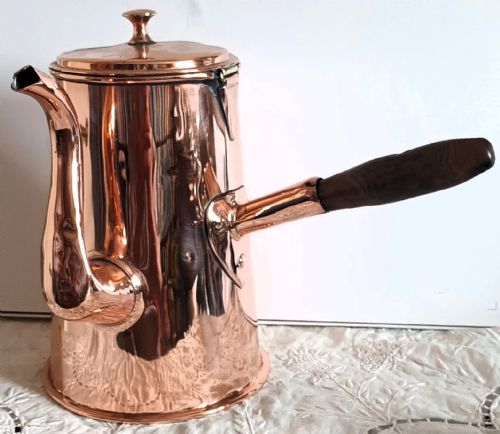
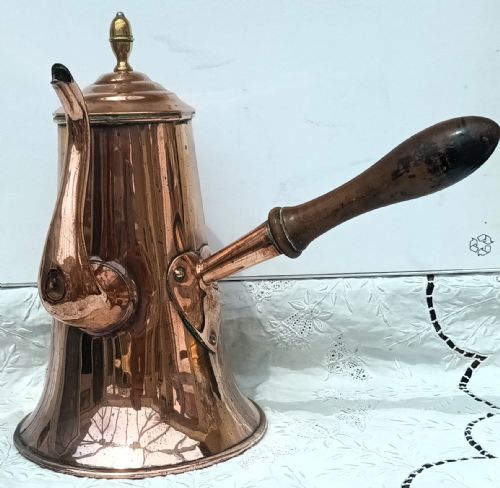



Georgian Coffee Pot
A georgian coffee pot brings the distinct craftsmanship of the eighteenth and nineteenth centuries straight to the table.
Georgian Coffee Pot
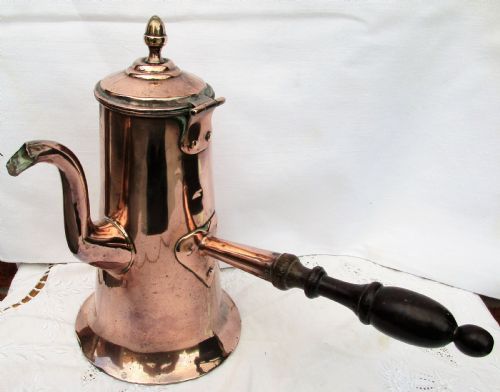
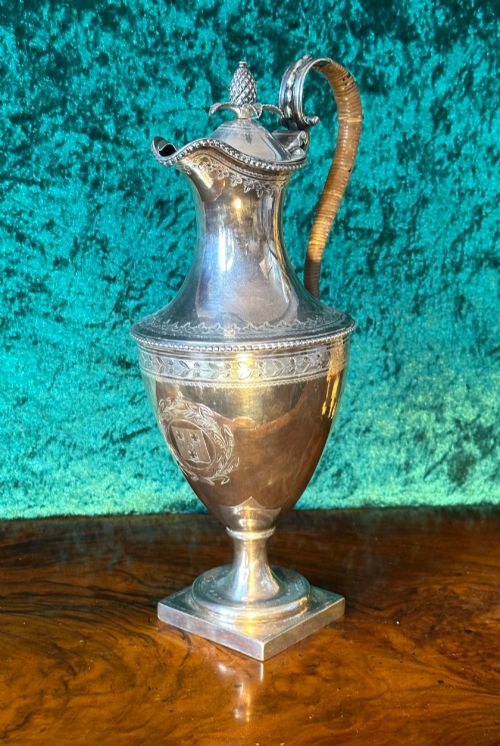
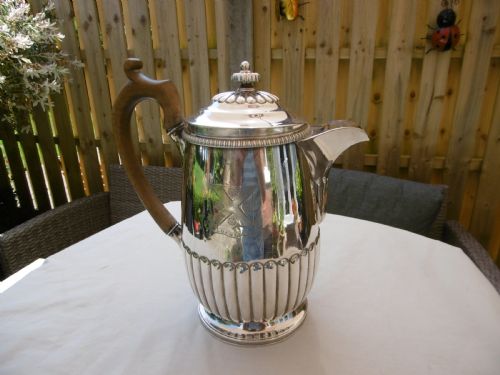
A georgian coffee pot is a tall, slender vessel designed for serving brewed coffee, appearing in forms ranging from traditional pots to coffee urns and biggins.
The pieces on this page span the eighteenth and nineteenth centuries, including periods like the Regency and William IV eras.
Kitchen and dining tablewares appear frequently, alongside tea and coffee services that group these pots with matching vessels.
Materials and Construction
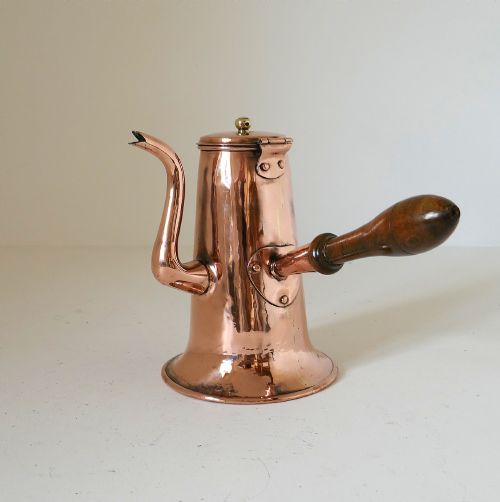
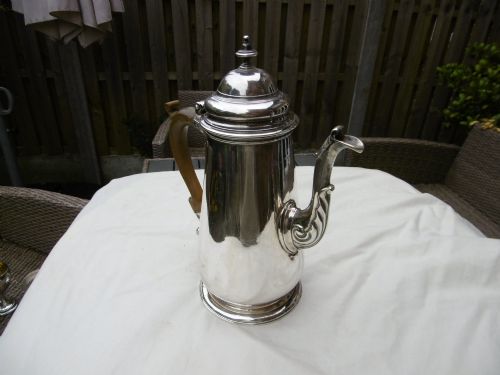
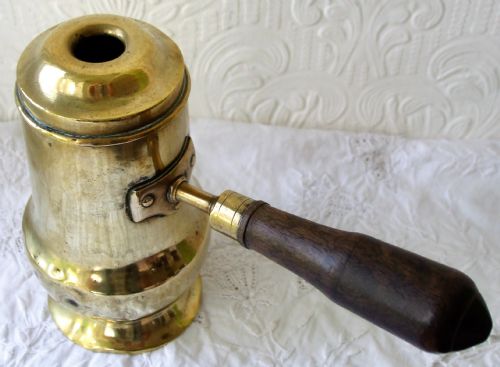
Silversmiths and metalworkers shaped these vessels from sterling silver, Old Sheffield plate, copper, brass, and pewter.
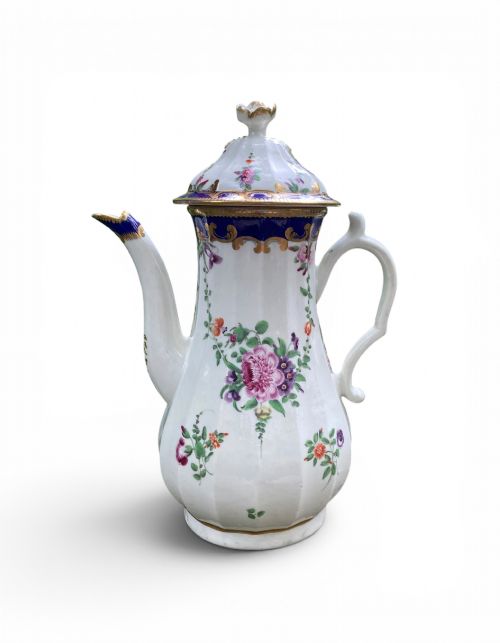
Ceramic examples utilise porcelain and creamware, while handles often incorporate insulating materials like wood and bone.
Manufacturing techniques combine hand-beaten metalwork for copper pieces with precise silversmithing for sterling silver and plated wares.
Listings include items made from wood, copper, silver plate, sterling silver, brass, pewter, and bone across the eighteenth and nineteenth centuries.
Assessing Quality
The distinction between standard utility items and masterworks rests on the weight of the metal, the clarity of hallmarks, and the crispness of chased or engraved crests.
Makers known for exceptional output, such as Paul Storr or Matthew Boulton, applied advanced techniques that elevate the visual balance and structural integrity of the vessel.
Richard Gurney·William Soutter And Sons·Matthew Boulton·John Hoyland·Edward Power·Joseph Craddock·Paul Storr·Peter And Anne Bateman·Fogelberg·Elkington And Co·Samuel Knight
The Georgian Coffee Pot Glossary
- Sterling silver
- A silver alloy containing 92.5 percent pure silver by mass, widely used for high-end Georgian tableware.
- Old Sheffield plate
- A composite material made by fusing a thin sheet of silver to a thicker copper base, common in Georgian serving vessels.
- Coffee biggin
- A tall coffee pot fitted with a built-in cloth or wire mesh filter bag for brewing the beverage directly inside.
- Hallmark
- An official stamp applied by an assay office to indicate the metal purity, year of production, and maker.
Georgian Coffee Pot: Frequently Asked Questions
How were these pots used?
These vessels were utilised in wealthy households to serve hot coffee during breakfast or formal dining occasions. Servants brought them to the table after meals, often paired with matching tea services.
Many examples feature side handles or insulated wooden grips to protect the pourer's hand from the heated metal body during service.
How do I clean a metal pot?
Cleaning requires warm water and mild soap, avoiding harsh abrasive materials that can strip historic plating or scratch the soft metal surface. Regular dusting and careful washing preserve the original finish.
Silver pieces benefit from specialised silver cloth to maintain their natural sheen without wearing down the underlying details or engraved crests.
Are these pots safe for daily brewing?
While structurally sound, antique metal and ceramic pots serve primarily as decorative display pieces or historical table settings today. Historic soldering and internal linings may not meet modern food safety standards.
Collectors generally use them for display rather than daily kitchen duties to protect the fragile interiors and historic silver or copper surfaces from wear.
How do I date a piece?
Dating relies heavily on legible hallmarks stamped into the metal, which record the specific assay office and year of manufacture for silver items. Stylistic clues such as Regency shapes or William IV proportions also help narrow down the period.
Copper and pewter examples often lack official stamps, requiring comparison of construction methods, handle attachments, and overall form with documented archive pieces.