




Antique Hot Water Jug
An antique hot water jug brings the weight and polish of a formal table service straight to the modern kitchen or sideboard.
Antique Hot Water Jug
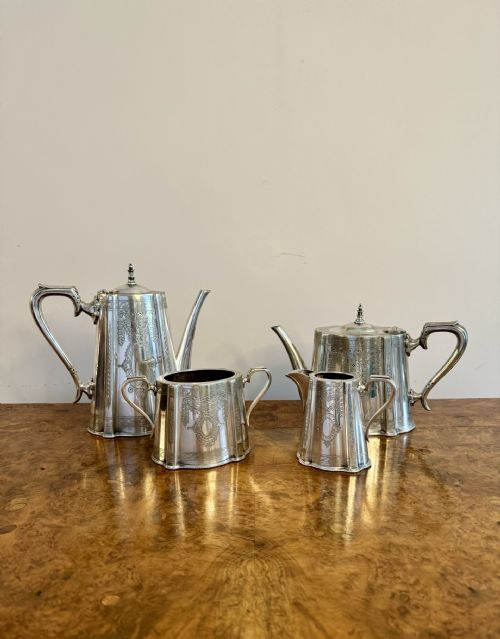
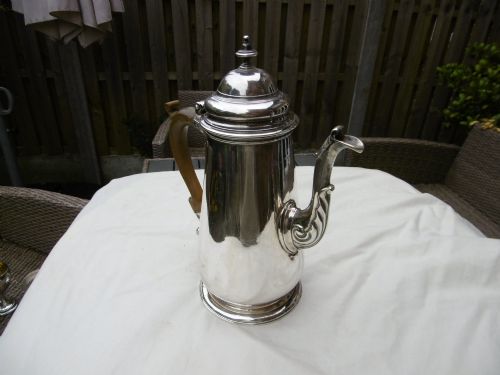
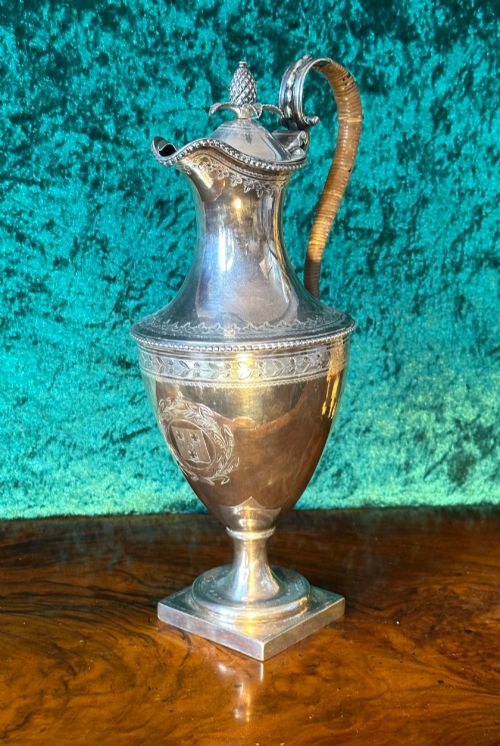
An antique hot water jug supplies boiling water to top up tea or coffee during service, standing tall on a pedestal foot or flat base with a slender spout and a heat-insulated handle. The pieces on this page span the eighteenth, nineteenth, and early twentieth centuries, drawing heavily on Georgian elegance and Edwardian utility.
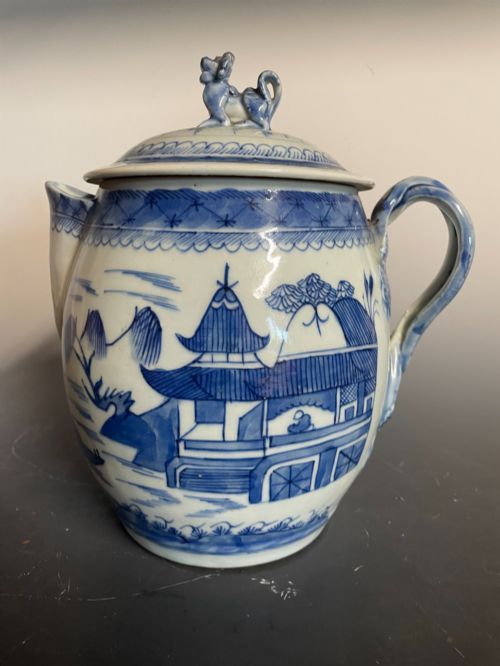
Makers shaped these vessels in sterling silver, Old Sheffield plate, copper, pewter, brass, and porcelain. The form often crosses paths with coffee pots and ewers, reflecting how nineteenth-century dining tables required vessels that could hold heat safely while looking formal.
Victorian and Edwardian examples appear frequently alongside Georgian sterling and nineteenth-century silver plate. Buyers meet everything from large Scottish water jugs to domestic Toleware cans and arts and crafts copper pieces.
Materials and Construction
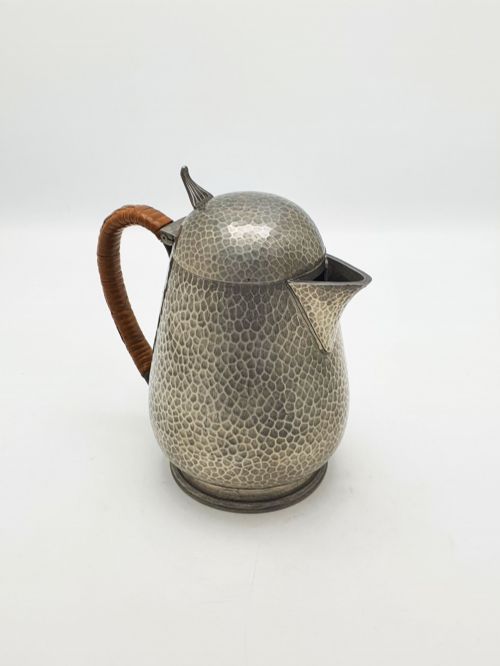
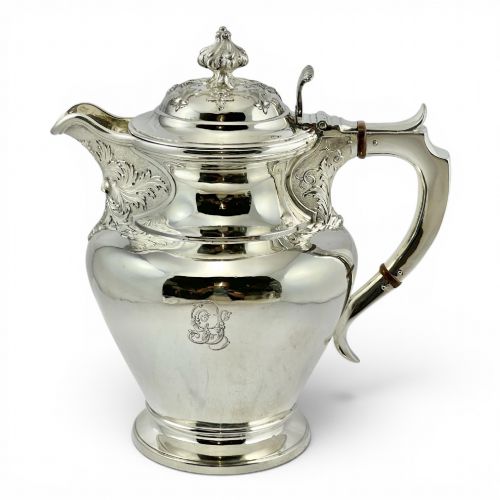
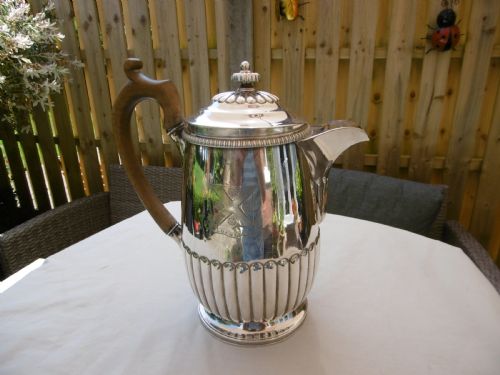
Silver and silver plate dominate the output, utilising heavy gauge sterling or fused Old Sheffield plate where copper shows through worn high spots. Smiths also formed vessels from beaten copper and pewter, employing hand-engraving and chased floral designs to finish the body.
Handles required practical insulation against boiling contents, leading makers to fit cane, ebony, bone, or wood into insulated sockets. Cast spouts and hinged lids were soldered or riveted to the main body with precise craftsmanship.
Cane and ebony handles keep the boiling water inside from scorching the butler's fingers.
Distinctions in Quality
Superior weight and gauge separate substantial dining silver from thin plated wares, while crispness in chased or hand-engraved floral motifs reveals the skill of the silversmith. The integrity of the handle insulation and the alignment of the hinged lid dictate whether a vessel remains practical or purely decorative.
Maker marks and clear hallmarking anchor the pedigree of sterling and plate pieces, while unmarked copper and pewter rely entirely on form, weight, and the honesty of their construction.
Walker and Hall·Richard Gurney·Joseph Sankey·Matthew Boulton·John Hoyland·Harrison Brothers and Howson·Orme Evans and Co·Boardman Glossop and Co·John Scofield·J G Shaw·W A S Benson
The Antique Hot Water Jug Glossary
- Old Sheffield Plated
- A composite material made by fusing a thin sheet of silver to a thicker copper base before shaping. This technique creates characteristic copper showing through on high wear points.
- Ewer
- A large jug with a wide spout and curved handle, often used for water or wine. In Georgian dining, the term frequently overlaps with tall coffee pots.
- Toleware
- Japanned or painted tinplate objects popular in the nineteenth and early twentieth centuries. These vessels often feature dark lacquered finishes and hand-painted decoration.
- Sterling Silver
- An alloy of silver containing ninety-two point five percent pure silver and seven point five percent other metals, usually copper. British pieces carry hallmark stamps indicating assay office and date.
- Arts and Crafts
- A design movement valuing handcraftsmanship and simple forms over mass production. Pieces from this tradition often display hammered copper or pewter surfaces with naturalistic details.
Antique Hot Water Jug: Frequently Asked Questions
What is the difference between a hot water jug and a coffee pot?
Hot water jugs generally feature taller, narrower bodies designed to hold plain boiling water for diluting tea or coffee. Coffee pots often have wider bases and internal strainers or galleries suited to brewing grounds directly.
In older dining sets, the silhouettes look similar, but water jugs prioritize thermal capacity and a clean pour over sediment filtering.
How do I care for an antique silver plated jug?
Wash silver and plated items by hand in warm soapy water using a soft cloth, avoiding harsh abrasive dips that strip original patination. Dry thoroughly with a lint-free towel to prevent water spotting.
Store the jug in a dry environment away from direct sunlight, and polish sparingly with a quality silver cloth only when necessary.
How can I tell Old Sheffield plate from later electroplate?
Old Sheffield plate reveals thin seams of reddish copper along exposed rims and edges where the silver layer has worn through from centuries of cleaning. Electroplated pieces show a uniform base metal, usually nickel silver or brass, beneath a bright silver coating.
Weight and construction methods also help separate the fused copper plate of the eighteenth and early nineteenth centuries from mass-produced Victorian alternatives.
Can I still use an antique hot water jug daily?
Many solid silver and heavy plated jugs remain structurally sound for serving hot water if handled with care. Inspect the handle insulation and interior solder joints before exposing the metal to boiling temperatures.
Copper and pewter vessels make striking display pieces, though collectors often restrict them to decorative use rather than daily hospitality.