





Antique Wooden Handle Pot
An antique wooden handle pot brings warmth and historic utility to a room through traditional materials like copper, brass, and silver paired with turned timber.
Antique Wooden Handle Pot
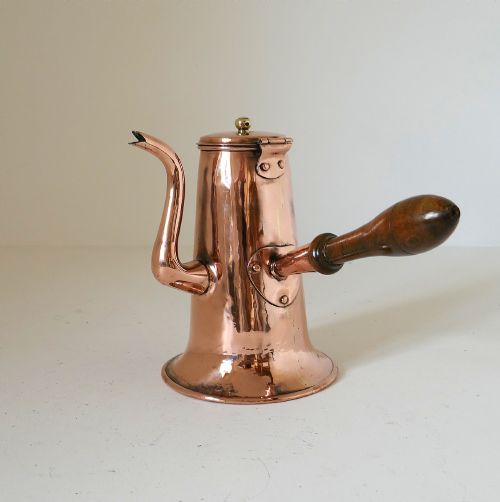
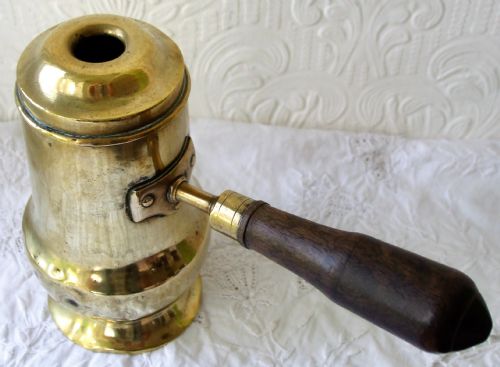
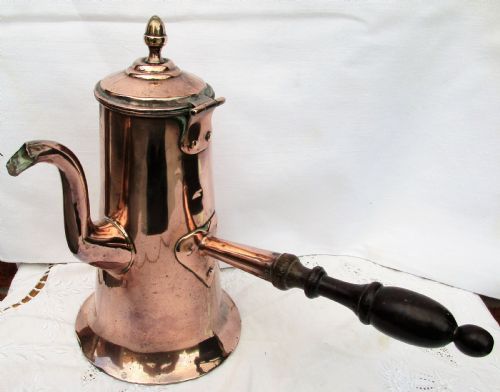
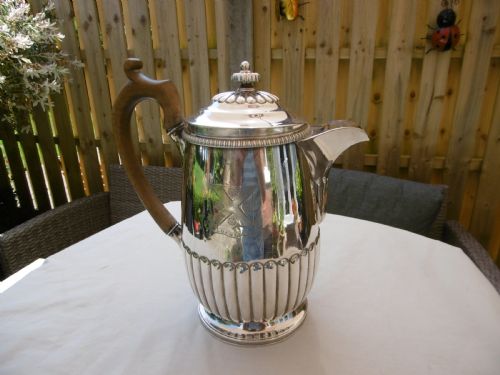
The most common version you will meet on this page is the Georgian or Victorian metal pot featuring a side or rear handle turned from wood. Alongside metal vessels with wooden grips, the selections occasionally include related wooden items such as bedside cabinets and trays that share the same historical periods.
Originating from English, Dutch, and French workshops, these items reflect the shifting domestic habits of the Georgian and Victorian eras. The inclusion of timber handles provided essential thermal insulation when pouring hot coffee, chocolate, or tea.
How they were made
Makers constructed the body of an antique wooden handle pot from metals such as copper, brass, sterling silver, or Old Sheffield plate using traditional raising, spinning, or smithing techniques. Craftsmen then shaped dense hardwoods to form the insulated handles attached to the metal bodies via sockets or metal pins.
Silver and plated examples often received hand-engraved crests and decorative chasing in styles ranging from Georgian neoclassical to Victorian rococo revival. Copper and brass variants relied on smooth hammered surfaces, sometimes lined internally to contain liquids safely.
Listings span the eighteenth and nineteenth centuries, including Georgian and Victorian eras with materials ranging from solid mahogany to sterling silver and copper.
What varies in quality
The distinction between standard domestic items and superior examples lies in the integrity of the metalwork and the craftsmanship of the turned wooden component. Finely balanced weight, crispness of hand-engraved crests, and original maker marks elevate certain pots above mass-produced alternatives.
The relationship between the wooden handle and the metal mount reveals much about the overall standard of the piece. Secure historical seating, balanced ergonomics, and minimal replacement of original timber components distinguish higher quality items.
Matthew Boulton·John Hoyland
The Antique Wooden Handle Pot Glossary
- Old Sheffield Plate
- A fused composite material made by melting a sheet of sterling silver onto a thicker base of copper. This technique was widely utilised before the invention of electroplating.
- Chocolate Pot
- A tall vessel similar in form to a coffee pot but traditionally featuring a removable finial or aperture on the lid. This opening allowed a stirring stick to froth thick hot chocolate.
- Close Stool
- An eighteenth-century piece of enclosed wooden furniture designed to house a chamber pot. These items often feature panelled oak construction and hinged lids.
- Sterling Silver
- An alloy of silver containing a fixed proportion of pure silver and other metals to increase durability. Items made from this material usually bear British assay office hallmarks.
- Hollowware
- A term encompassing domestic vessels that are hollow or semi-enclosed, such as coffee pots, teapots, and jugs. These pieces form a major part of the metalware selections.
Antique Wooden Handle Pot: Frequently Asked Questions
What is an antique wooden handle pot used for?
These vessels were originally manufactured to heat, hold, and pour hot beverages like coffee, tea, and chocolate during the eighteenth and nineteenth centuries. The wooden handle served the practical purpose of insulating the user's hand from boiling metal.
Today, collectors use them to display period metalware or integrate historic craftsmanship into traditional and modern interiors alike.
How do I clean an antique copper pot?
Cleaning depends on whether you prefer to maintain a dark historical patina or highlight the bright metallic sheen of the copper body. Gentle dusting and appropriate metal care suited to historic items will preserve the surface.
Avoid abrasive scouring pads that can damage thin metal walls or scratch the wooden handle components attached to the vessel.
Are these pots safe for serving drinks?
While these vessels were originally created for functional beverage service, historic metal pots may require professional internal inspection or re-tinning before actual use with food and drink.
Most buyers choose to display them as decorative historical objects rather than utilising them for daily kitchen tasks.
How do I tell a Georgian pot from a Victorian one?
Georgian pots often display cleaner neoclassical lines, lighter proportions, and simpler handle attachments reflecting eighteenth-century design values. Maker marks and hallmarks can also provide exact assay dates.
Victorian variants tend towards heavier forms, more ornate rococo revival decoration, and sometimes utilised newly developed silver plating methods.