




Antique Coffee Jug
When you seek an antique coffee jug, you are looking for a vessel designed to serve morning brew with historical gravitas.
Antique Coffee Jug
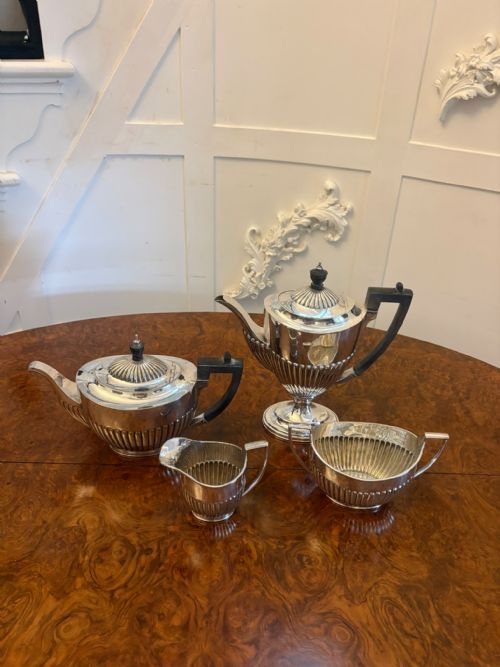
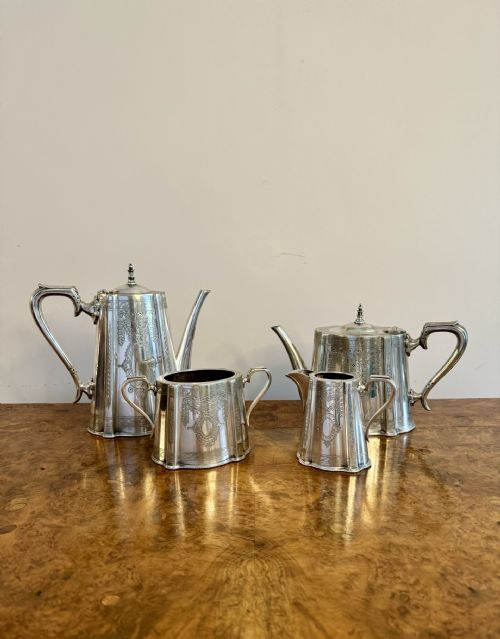
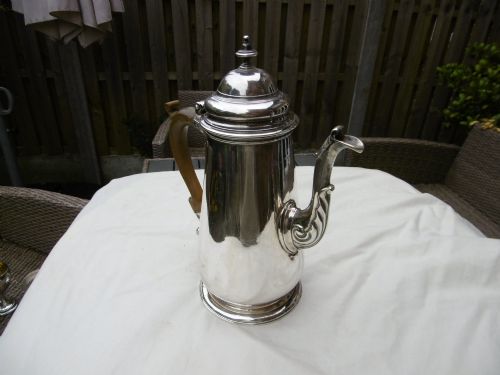
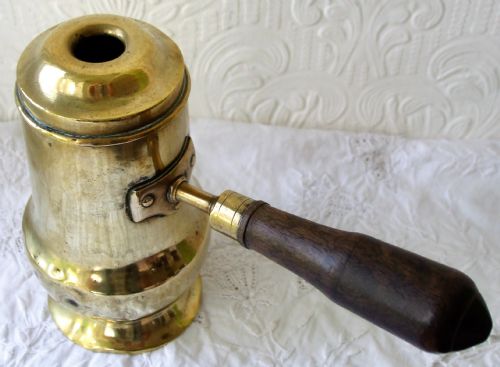
An antique coffee jug encompasses formal beverage vessels spanning the eighteenth, nineteenth, and early twentieth centuries. You will regularly encounter tall silver-plated pots, sterling silver examples from the Georgian and Victorian eras, and copper or brass alternatives.
The selections range from standalone vessels such as Old Sheffield Plated pots to comprehensive tea and coffee sets originating in Edwardian workshops. These pieces also include Continental ceramic formats, including Delft faience and Meissen porcelain.
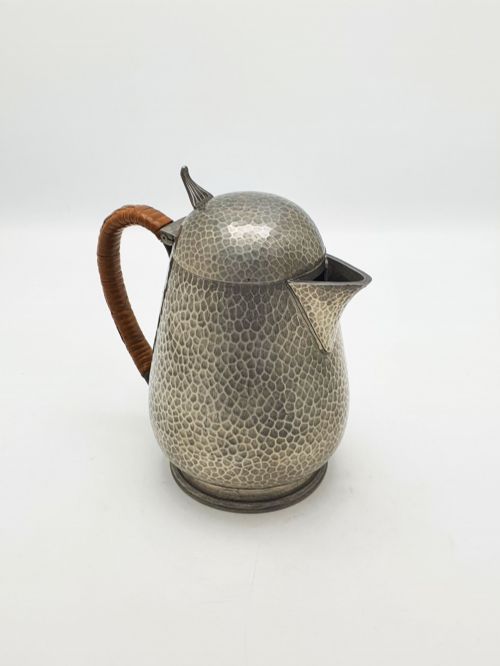
The predominant forms follow the stylistic shifts from Rococo curves and Neoclassical restraint through to Arts and Crafts simplicity and Edwardian ornamentation. Buyers often find these vessels paired with stands, or matched within larger service collections.
How they were made
Makers shaped these vessels using sterling silver, copper, and early composite methods such as Old Sheffield Plate, where silver sheet is fused over a copper base. Artisans hammered, spun, or cast the metal into tall, tapered bodies designed to retain heat.
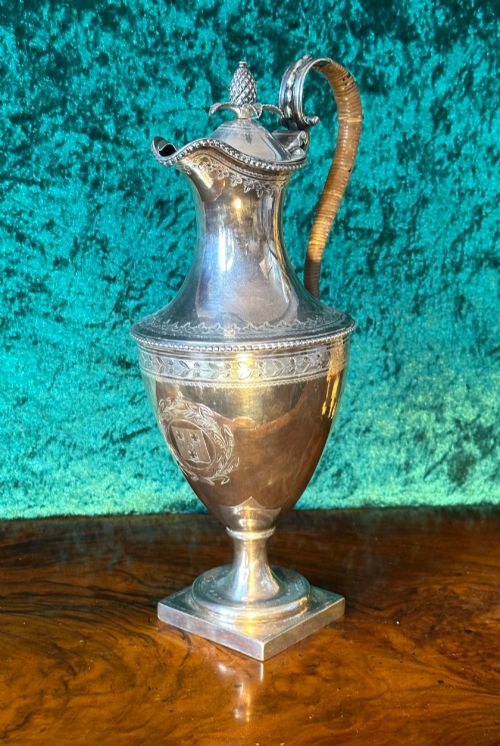
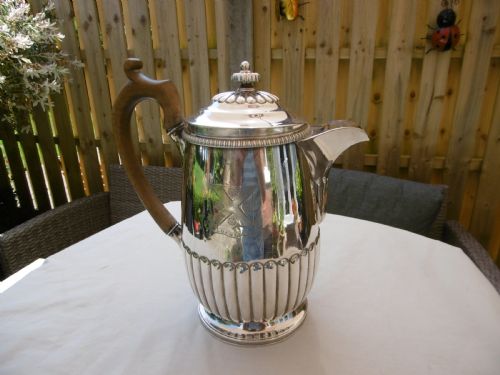
Handles incorporate insulating materials like wood, ebony, or woven cane to protect hands from hot metal during pouring. Surface decoration frequently relies on hand engraving, floral chasing, and applied crests executed by skilled silversmiths.
Listings feature silver plate, sterling silver, copper, brass, and ebonised wood across eighteenth, nineteenth, and twentieth-century periods.
What varies in quality
The distinction between ordinary utility wares and exceptional pieces rests upon the crispness of the chasing and the weight of the metal used in construction. Heavier gauge silver and substantial Old Sheffield plating indicate superior durability and higher original cost.
A maker with an established workshop reputation, such as Matthew Boulton or Richard Gurney, commands greater interest due to superior finishing and balanced proportions. The integrity of the original handle insulation and the sharpness of hand-engraved crests further separate standard items from masterworks.
Walker and Hall·Richard Gurney·Matthew Boulton·John Hoyland·Edward Power·Joseph Craddock·Harrison Brothers and Howson
The Antique Coffee Jug Glossary
- Old Sheffield Plate
- A fused composite material made by melting a thin sheet of silver onto a thicker copper bar before rolling them into sheets together. This technique predates modern electroplating and produces characteristic subtle copper bleed along edges.
- Sterling silver
- An alloy consisting of silver and other metals, usually copper, standardised at a purity level of ninety-two point five percent. British pieces typically carry hallmarks indicating the assay office and year of testing.
- Café au lait pot
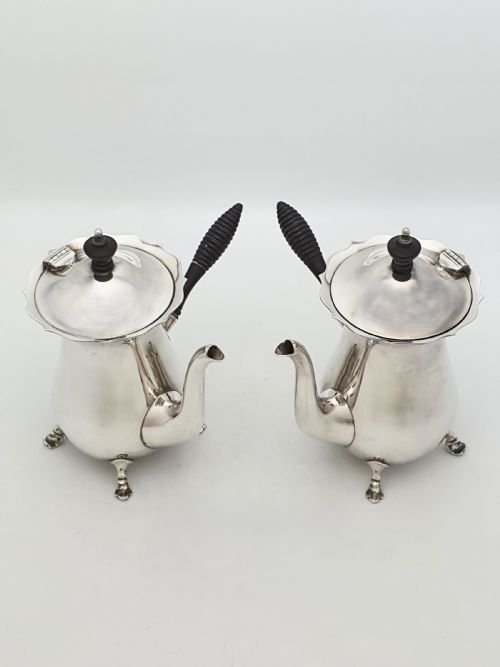
- A specialised vessel designed specifically for serving coffee with hot milk simultaneously, often found in matching pairs during the Edwardian period. These pots usually feature specific spouts suited to dual pouring.
- Ebonised wood
- Timber treated with a chemical stain or finish to resemble heavy, dark ebony. Makers utilised this on handles and finials to provide a striking contrast against polished silver.
- Delft faience
- Tin-glazed earthenware produced in the Netherlands and England, known for its distinct white surface decorated with manganese and polychrome pigments. These fragile vessels required specialised firing techniques.
Antique Coffee Jug: Frequently Asked Questions
How do I clean an antique silver jug?
Wash the vessel gently using warm water and mild soap, drying it thoroughly with a soft cloth to protect the surface. Avoid abrasive dips or harsh commercial polishes that can wear away delicate hand engraving and thin plating.
Store the piece in a dry environment away from direct sunlight and humidity. Regular handling helps prevent tarnish accumulation on display surfaces.
Can I still use these pots for serving coffee?
Many solid silver and silver-plated vessels remain structurally sound for serving hot beverages if cleaned carefully before use. You should inspect the interior for any historical repairs or lining deterioration before filling.
Porcelain and ceramic examples require extra caution due to their age and potential hairline fractures. Most collectors prefer to exhibit them as decorative table ornaments.
What is the difference between a coffee pot and a hot water pot?
Coffee pots generally feature taller, narrower bodies designed to keep sediment settled and retain heat for brewed coffee grounds. Hot water pots often possess rounder shapes and lack the internal strainers or galleries sometimes found in coffee vessels.
Victorian tea and coffee sets frequently included both to accommodate guests adding diluted water to strong brews. Examining the spout height and interior helps clarify the original intended function.
How do I date an unmarked silver plated jug?
Examine the overall silhouette, handle attachment style, and decorative motifs to narrow down the manufacturing era. For instance, neoclassical urn shapes point towards the late eighteenth century, while bulbous ornamentation often indicates Victorian production.
Look closely for maker's marks, registry stamps, or numerals stamped near the base. Comparing the weight and construction technique to dated archival examples provides further confirmation.