




18th Century Coffee Jug
An 18th century coffee jug brings the distinct weight and polish of early Georgian tableware directly to the modern table.
18th Century Coffee Jug
When you search for an 18th century coffee jug, you encounter early form silverware, plated vessels, and ceramics designed for hot beverage service. The items on this page span the Georgian era, featuring distinct forms from silversmiths, metalworkers, and European potteries.
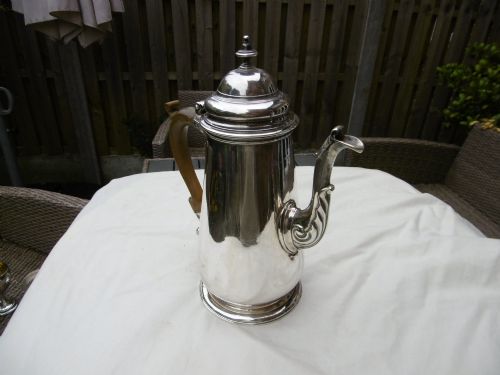
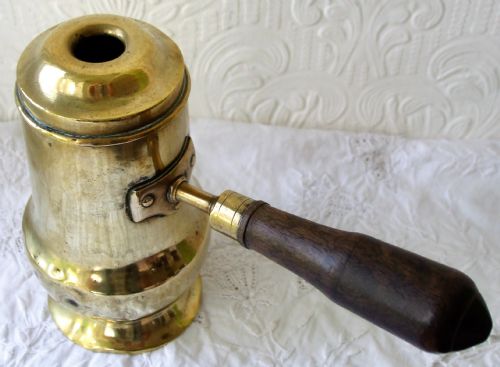
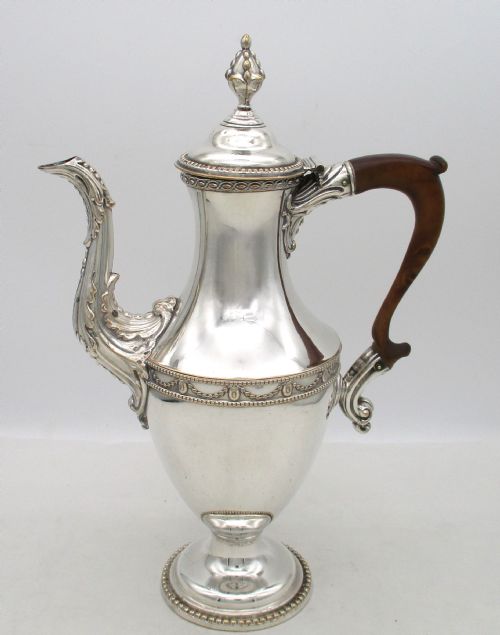
The most common versions met here include tall Old Sheffield plated pots alongside sterling silver examples bearing Georgian hallmarks. Alongside standard coffee pots, you find related tableware such as chocolate pots, milk jugs, and espresso pots in earthenware and porcelain.
How they were made
Makers shaped sterling silver and old Sheffield plate by hammering and soldering metal sheets over wooden or iron stakes to achieve tall, tapered bodies. Silver plate examples fused a thin layer of silver to a copper base, often revealing subtle seams or early maker marks near the rim.
Ceramic pieces utilise hard-paste porcelain, delft faience, and enamel, fired in kilns and hand-painted with manganese and polychrome pigments. Brass and copper variants relied on traditional casting and joining techniques to create sturdy spouts and handles suited for daily domestic use.
Listings feature coffee vessels spanning the 18th century, Georgian era, and the 19th century, utilising materials from sterling silver and brass to hard-paste porcelain.
What varies in quality
Quality rests upon the crispness of the chasing, the proportion of the handle to the body, and the preservation of original metal surfaces. Higher grade pieces display balanced weight, precise hallmarks, and clean solder joins that remain undisturbed by later repairs.
In plated and ceramic items, the retention of the original silver layer or the vibrancy of the hand-painted glaze distinguishes finer examples from standard production. Makers who invested greater labour into surface finish and spout formation produced the pieces that hold their aesthetic integrity best.
Richard Gurney·John Hoyland
The 18th Century Coffee Jug Glossary
- Old Sheffield plate
- An early fused plating technique where a thin sheet of silver is fused to a thicker copper ingot. This method creates a durable material that was widely used for large holloware before electroplating was invented.
- Hard-paste porcelain
- A dense, vitrified ceramic material fired at high temperatures using kaolin and petuntse. It yields a strong body that resists scratching and supports detailed polychrome enamel painting.
- Sterling silver
- An alloy of silver containing ninety-two point five percent silver and seven point five percent other metals, usually copper. It serves as the standard metal for high-grade Georgian tableware.
- Chocolate pot
- A specialised serving vessel equipped with a removable lid finial or a stirring stick aperture. It was designed specifically for frothing and serving hot chocolate.
18th Century Coffee Jug: Frequently Asked Questions
Were these pots used for tea or coffee?
These tall vessels were designed specifically for brewing and serving coffee during the Georgian period. Their elevated height allowed grounds to settle at the base before pouring.
Tea service typically employed smaller, rounder pots rather than these tall, tapered jugs. Some multi-purpose vessels did exist, but dedicated coffee pots predominated.
What is the difference between silver plate and sterling?
Sterling silver consists of solid precious metal alloyed throughout, while Old Sheffield plate uses a thin layer of silver fused over a copper core. You can often spot the copper base peeking through where the silver has worn away on plated pieces.
Solid silver pieces carry hallmarks indicating the maker, city, and year of assay. Plated items generally feature early maker marks or trade stamps instead of official hallmarking.
Can I still use an antique coffee pot daily?
Using these pots for daily service requires caution due to their age, fragile solder joints, and historical linings. Many owners choose to display them as decorative tableware rather than risking thermal shock or interior corrosion.
If you do use them, avoid boiling water directly inside unlined copper or plated vessels. Hand wash them gently without modern dishwashers.
How can I tell a Georgian pot from a later copy?
Examine the construction methods, weight, and wear patterns to determine age. Georgian pieces often display hand-beaten seams, early punch marks, and natural patination that modern replicas struggle to duplicate.
Check for authentic hallmarks and stylistic markers such as Rococo scrollwork or tapered spouts. When in doubt, compare the piece against documented examples from the same decade.