






Georgian Sheffield Plate Pot
A georgian sheffield plate pot brings fusion warmth and weighted heft to the table, fusing silver with copper through an ingenious layered method.
Georgian Sheffield Plate Pot
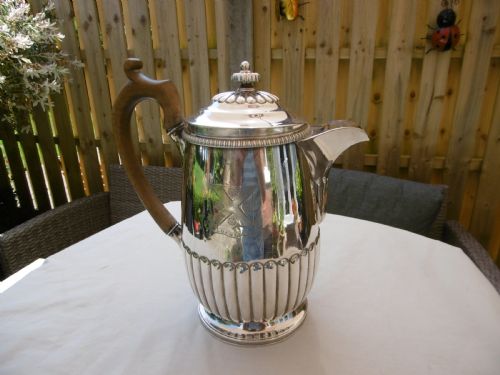
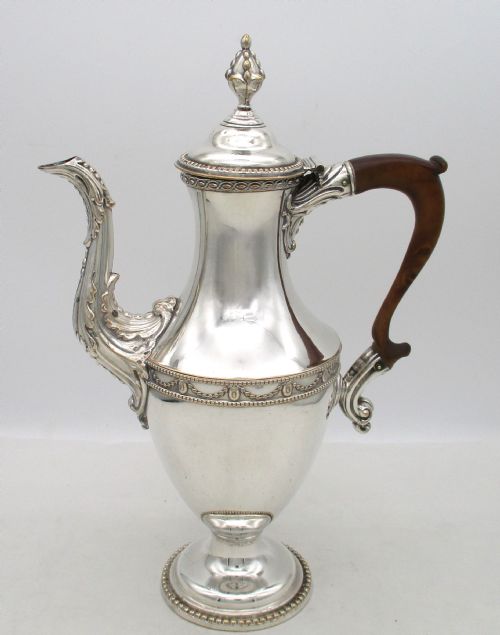
When you search for a georgian sheffield plate pot, you are looking at hollowware vessels created primarily during the eighteenth and nineteenth centuries, including the Regency and Grand Regency eras. The most frequent forms meeting this description are coffee pots, teapots, and gravy warmers or argyles.
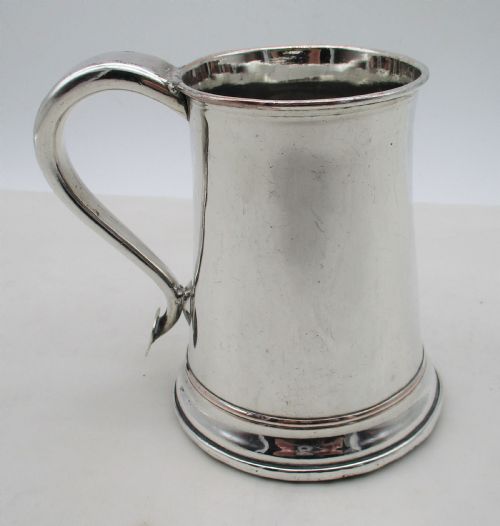
These servers emerge from eighteenth century, nineteenth century, and Regency periods in distinct shapes like tall coffee jugs and pint tankards. Some specimens include stands or unusual argyle styles, reflecting domestic dining habits of the era.
Materials and fusion techniques
Makers fused a thin sheet of silver to a thicker copper core by heat and pressure, applying bone and hardwood elements for insulation on handles. This fusion technique creates the characteristic metal body.
Makers shaped the copper and silver composite into coffee pots and teapots, often adding early marks or crests. Elements like bone or hardwood appear on handles to manage heat during service.
Materials recorded across these serving vessels encompass copper, silver plate, old sheffield plate, bone, and hardwood.
Distinctions in craftsmanship
The degree of copper bleed through the silver layer distinguishes utilitarian items from superior creations. Pieces bearing discernible maker marks or specific crests command greater interest among collectors.
The integrity of the original fusion and the crispness of applied borders separate standard workshop production from exceptional examples. Surviving handle insulators of bone or hardwood further influence the desirability of a piece.
Matthew Boulton·John Hoyland
The Georgian Sheffield Plate Pot Glossary
- Old Sheffield Plate
- A composite material made by fusing a sheet of silver to a base of copper. This technique predates electroplating and creates a durable dual metal sheet.
- Argyle
- A vessel designed to keep gravy warm at the table through an internal compartment for hot water. These pieces often appear alongside coffee pots and teapots in silver plate.
- Regency
- A stylistic period spanning the early nineteenth century defined by classical restraint and elegance. Pieces from this era often display clean lines and balanced proportions.
- Pint Tankard
- A cylindrical drinking vessel with a single handle used for liquids. These sturdy items utilise the same fused silver and copper construction as larger serving pots.
Georgian Sheffield Plate Pot: Frequently Asked Questions
How do I clean old sheffield plate?
Clean these surfaces gently using a non abrasive silver polish and a soft cloth to protect the thin silver layer over the copper.
Avoid harsh dips or vigorous rubbing that might expose the base copper beneath the fused exterior.
What is an argyle used for?
An argyle served to keep gravies and sauces warm at the dining table during extended meals.
Hot water filled a central chamber or jacket within the pot, preventing the fat from congealing.
How can I date these pots?
Dating relies on stylistic shifts from eighteenth century rococo curves to Regency restraint, alongside any surviving maker marks.
Handle materials like bone and the method of edge finishing also provide clues to the manufacturing decade.
Can I use these pots daily?
Most buyers prefer to use them for display or gentle service because the historic silver layer is thin.
Hand washing in warm soapy water is essential if utilised, ensuring no abrasive materials touch the metal.