




19th Century Silver Pot
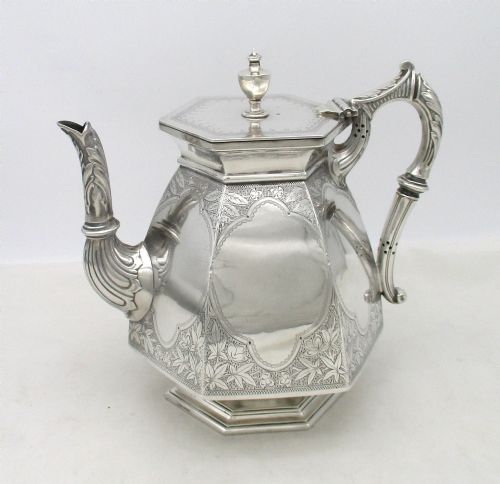
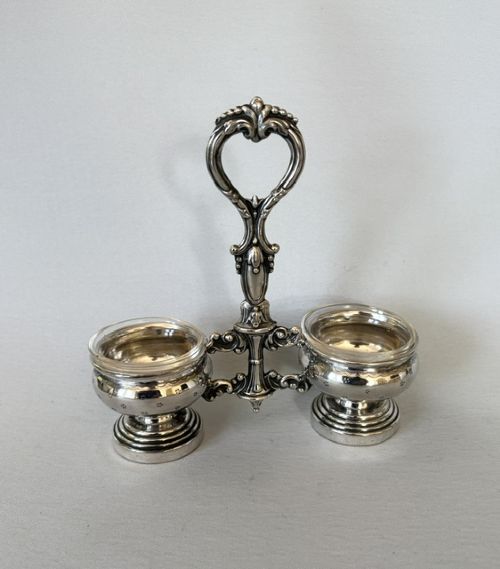
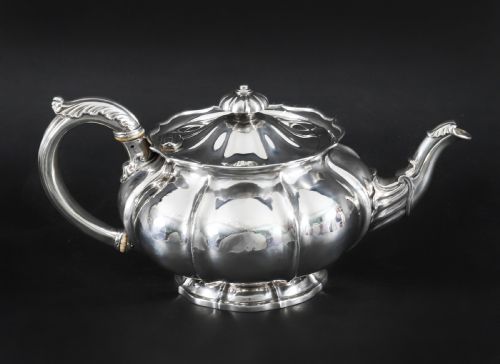
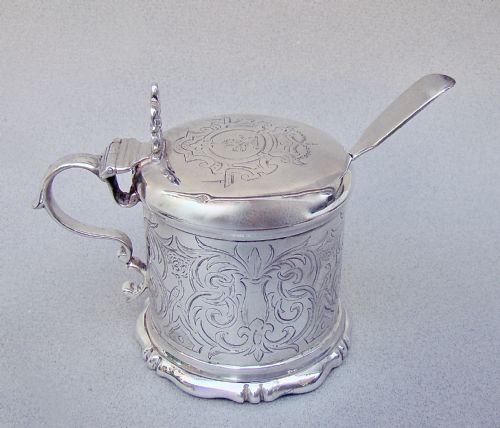
These pieces of 19th century silver pot encompass teapots, mustard pots, and condiment sets shaped by Georgian, Victorian, and Regency hands.
19th Century Silver Pot
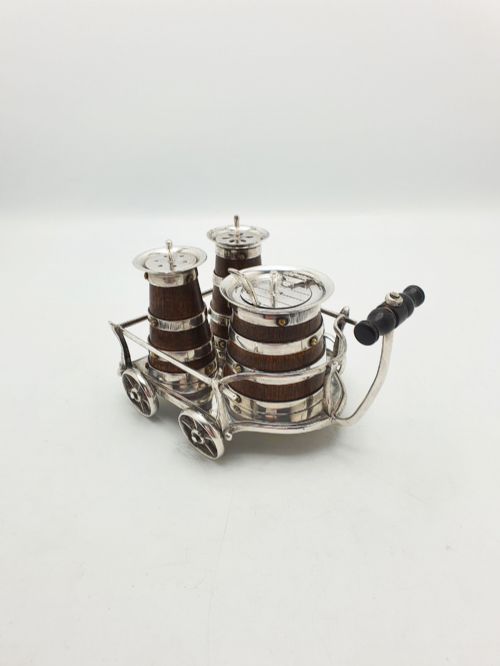
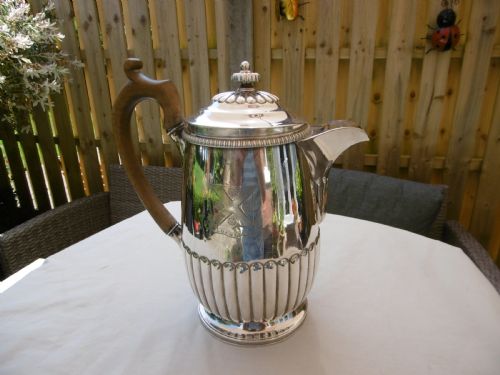
A buyer seeking a 19th century silver pot will encounter a broad array of domestic vessels, from heavy sterling teapots and coffee biggins to smaller condiment containers like mustard pots and pepperettes. The forms span functional dining table items such as gravy warmers and cruet sets alongside novelty pieces modelled after figures or animals.
Most examples originate from the Victorian and Georgian eras, taking shape as standalone items or forming part of larger matching service sets. Teapots and coffee pots dominate the domestic offerings, while smaller silver and silver plated vessels serve more specialised table duties.
Materials and construction
The material evidence splits primarily between solid sterling silver and various silver plating methods, including Old Sheffield Plate and electroplated nickel silver. Makers combined these metals with glass liners, wooden handles, bone insulators, and copper elements to produce durable service wares.
Techniques range from hand-raised sterling bodies to detailed casting and engine-turned guilloche decoration. Many items feature engraved crests, pierced drums, or applied cast mounts reflecting French Rococo, Aesthetic Movement, and classical styles.
Mr Punch's faithful dog Toby occasionally serves as a silver pepper shaker.
Assessing the craftsmanship
Quality rests upon the crispness of chased and engraved details, the integrity of applied cast mounts, and the preservation of the underlying metal surfaces. Maker attribution also plays a role, with identifiable workshops showing superior handling of weight, balance, and hinge construction.
The distinction between a standard production item and a finer piece lies in the depth of hand-finishing, particularly on novelty salt and pepper shakers, figural peppers, and engraved coffee pots where intricate patterns demand steady precision.
Paul Storr·Charles and George Fox·Padley Parkin and Staniforth·Mappin Brothers·Matthew Boulton·Joseph Craddock·Boardman Glossop and Co·Martin Hall and Co
The 19th Century Silver Pot Glossary
- Sterling Silver
- A standard alloy consisting of silver and other metals, principally copper, maintaining high purity for tableware and holloware.
- Old Sheffield Plate
- A technique fusing a thin sheet of sterling silver to a thicker copper base before rolling and shaping the composite metal.
- Electroplated Nickel Silver
- A base metal alloy of copper, nickel, and zinc coated with a thin layer of pure silver through an electrolytic process.
- Coffee Biggin
- A tall coffee pot designed with an internal or fitted filter apparatus for brewing the beverage directly.
- Guilloche
- A decorative technique involving precise mechanical engraving to produce intricate, repetitive geometric patterns on a metal surface.
19th Century Silver Pot: Frequently Asked Questions
What is an argyll gravy warmer?
An argyll is a specialised vessel designed to keep gravy warm at the table through the use of an internal heating compartment or hot water jacket.
This prevented the fat from congealing during long meals in the Georgian and Victorian periods.
How do I care for silver plated pots?
Clean silver plate gently using non-abrasive cloths and dedicated silver cleaning products formulated to protect the thin surface layer from wear.
Avoid harsh scrubbing or chemical dips that can strip the plating and expose the underlying copper or nickel base.
What is a novelty pepper pot?
Novelty peppers are small condiment vessels shaped to resemble animals, human figures, or everyday objects rather than standard shaker forms.
Victorian makers produced these whimsical pieces to add character and conversation to formal dining tables.
How can I tell a Georgian pot from a Victorian one?
Georgian pieces often display neoclassical restraint, Regency elegance, or robust Paul Storr craftsmanship, favouring clean classical lines and heavy cast mounts.
Victorian items frequently embrace heavier ornamentation, eclectic revival styles, novelty figural shapes, and the wider adoption of silver plating.