





Church Communion Vessel
A church communion vessel carries centuries of liturgy in metal, offering collectors a direct link to the solemn rituals of the past.
Church Communion Vessel
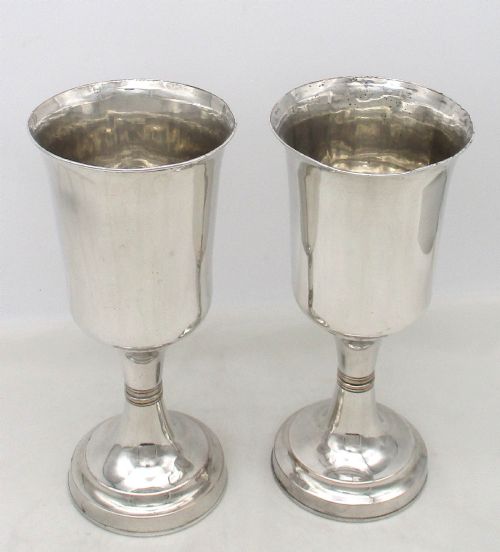
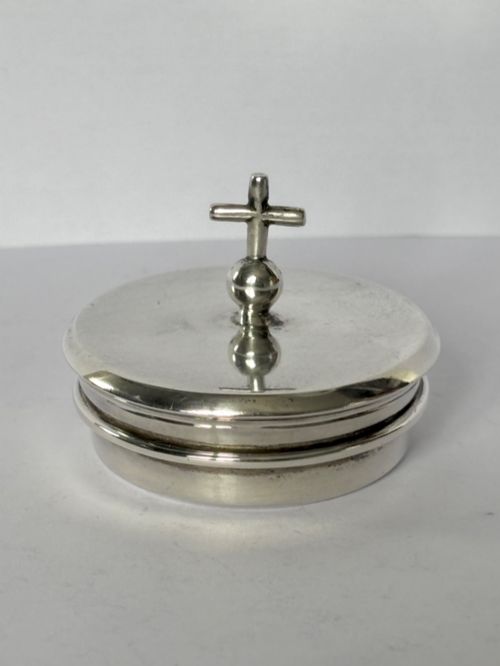
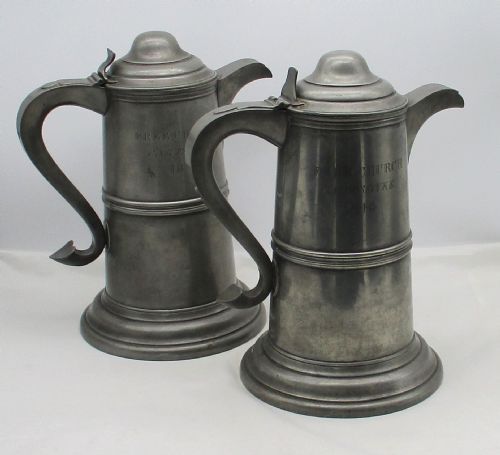
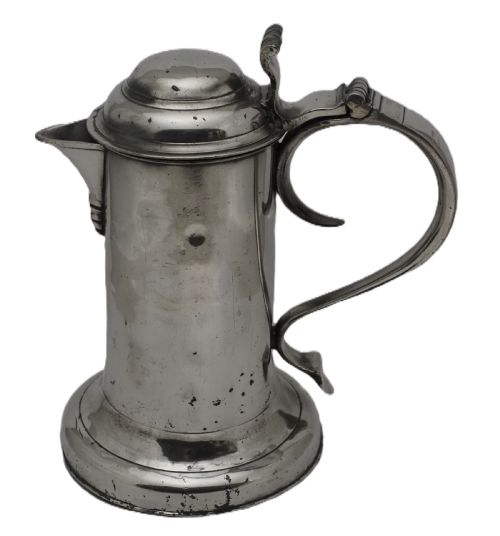
A church communion vessel encompasses chalices, flagons, pyxes, and ciboria designed for sacramental use across several centuries. When exploring a church communion vessel, buyers frequently encounter 18th-century pewter flagons alongside 19th-century silver-plated chalices and mid-20th-century gilt pyx boxes.
The selection ranges from large spired flagons originating in English workshops to Franco-Spanish copper pyxes and heavy Gothic brass chalices. These pieces reflect the liturgical traditions and metalworking standards of their respective periods, from the Georgian era to mid-century ecclesiastical design.
Materials and construction
Pewter and silver plate dominate the domestic output, shaped into sturdy flagons and chalices with soldered handles and lids. Sterling silver and silver gilt appear in finer commissions, often paired with interior gilding for sacramental hygiene.
Church Communion Vessel Retail Price Guide 2026
Typical asking prices for church communion vessel among the pieces listed under this phrase on Sellingantiques today, from the lower quarter to the upper quarter. They describe what is for sale here now, not the wider market.
Factors of distinction
The distinction between standard ecclesiastical ware and exceptional pieces lies in the crispness of the engraving and the proportion of the vessel. Maker attribution also plays a role, as documented pieces by known workshops command greater interest among collectors.
Surface preservation significantly influences the standing of a piece, particularly on silver-plated items where the underlying metal should remain undisturbed. The integrity of original gilding on copper and silver surfaces dictates the visual presence of the artefact.
F. OSBOURNE & CO LONDON·JOHN HEANEY OF DUBLIN·ELKINGTON MASON·ROBERT ILES OF LONDON
The Church Communion Vessel Glossary
- Flagon
- A large vessel with a handle and lid used to hold sacramental wine during communion services. These often feature spouted lips and substantial capacity.
- Chalice
- A stemmed cup dedicated to holding the sacramental wine. They appear in diverse metals ranging from simple pewter to ornate silver gilt.
- Pyx
- A small round container used to carry the consecrated host. Examples range from plain metal boxes to engraved Franco-Spanish designs.
- Ciborium
- A covered container used to hold the hosts for distribution or reservation. They frequently resemble chalices with secure, lidded tops.
- Old Sheffield Plate
- A method of fusing a thin sheet of silver onto a copper base before forming the object. This technique predates modern electroplating.
Church Communion Vessel: Frequently Asked Questions
How are pewter flagons dated?
Pewter pieces often rely on maker touchmarks, capacity stamps, and stylistic evolution of the spire lid.
Comparison with documented examples from regional makers helps narrow the decade of production.
What is a pyx used for?
A pyx serves as a secure container for transporting the consecrated host to the sick or housebound.
Their pocket-sized proportions required robust hinges and tight-fitting lids.
Why use silver gilt inside chalices?
Gilding the interior bowl prevents the acidic sacramental wine from reacting directly with the silver beneath.
This practice protected the metal and maintained hygiene during frequent liturgical use.
How do Gothic revival pieces differ?
Gothic revival items draw heavily on medieval architectural motifs, featuring pointed arches and heavy brass construction.
These pieces emerged strongly during the nineteenth century as churches updated their furnishings.