





Victorian Chalice Goblet
A victorian chalice goblet combines ritual gravity with domestic display, taking the form of an elevated vessel crafted to mark occasions or serve wine.
Victorian Chalice Goblet
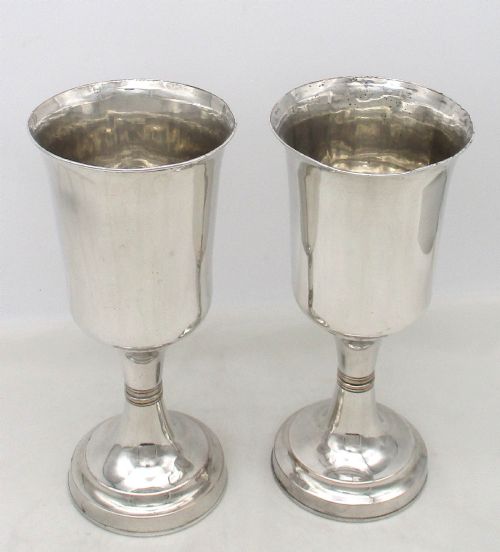
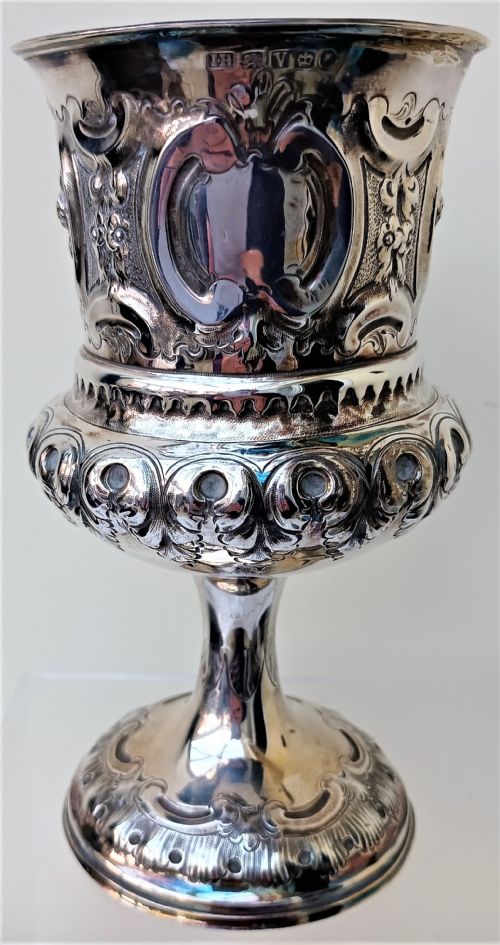
A victorian chalice goblet spans several distinct categories, appearing most frequently as ecclesiastical communion vessels in silver plate, decorative glass drinking vessels, and sterling silver presentation cups. These pieces draw on varied stylistic influences including Gothic revival, Renaissance revival, and Grand Tour motifs.
The domestic examples take the form of heavy glass rummers, cut wine goblets, and engraved presentation pieces intended for display or ceremonial toasts. Ecclesiastical iterations, particularly church chalices from the mid-nineteenth century, offer a heavier, more utilitarian dignity designed for liturgical service.
Materials and construction methods
Metals dominate the record, utilising sterling silver, silver plate, and Old Sheffield plate alongside cast bronze and copper. Silversmiths employed techniques such as chasing, engraving with arabesque motifs or floral wriggle-work, parcel gilding, and structural casting for presentation covers and stems.
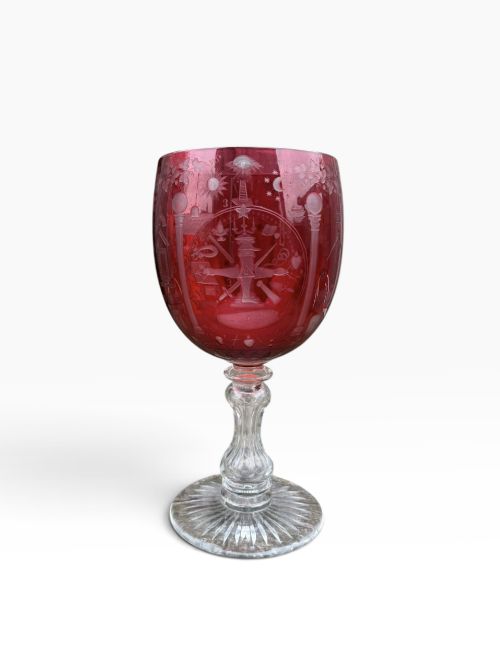
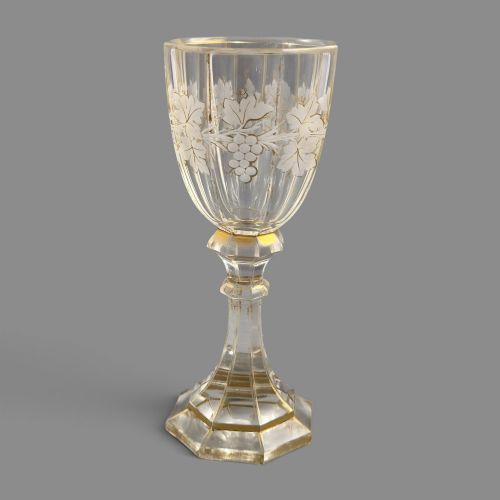
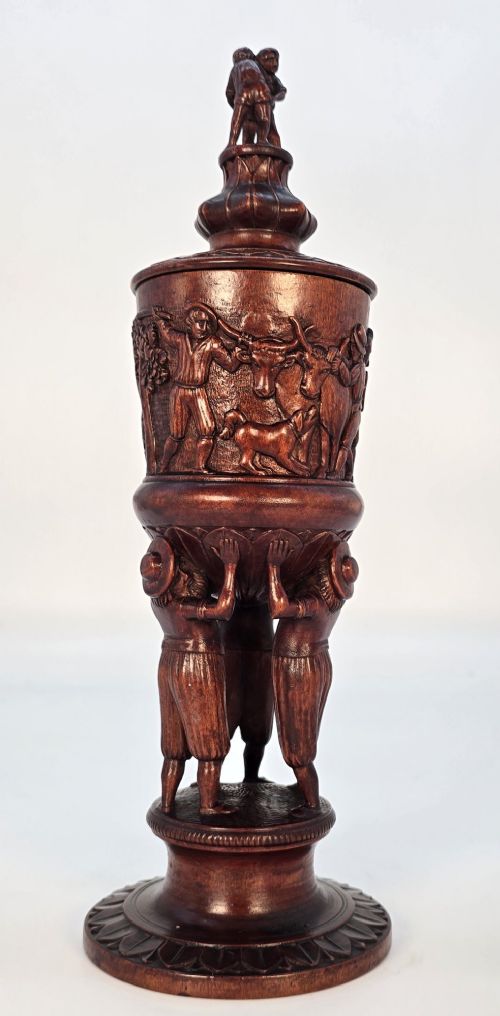
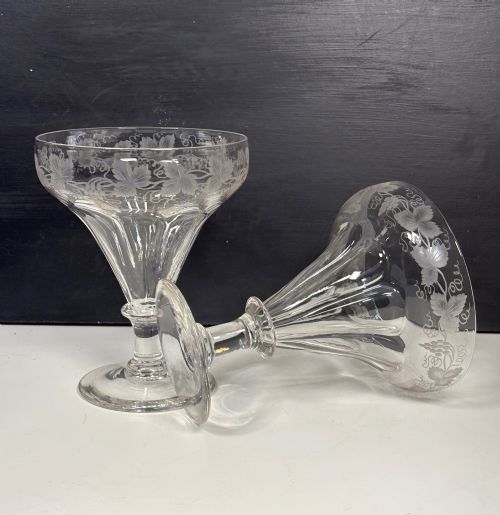
Glass examples rely on lead crystal, cranberry glass, and opalescent glass shaped through cutting, etching, intaglio engraving, and enamelling with armorial or figurative designs. Treen and wooden variants demonstrate careful lathe turning in walnut and specimen woods, occasionally featuring lidded and carved Swiss Brienz details.
Pitcairn Islanders once turned driftwood into loving chalices, sending Pacific utility across the globe to the Victorian parlour.
Assessing quality and execution
Quality rests in the crispness of the hand-engraving, the depth of glass cutting, and the structural integrity of applied mounts and stems. Superior silver work shows deliberate weight and balanced proportions, whereas finer glassware displays clear, unblemished crystal and precise, controlled enamelling or gilding.
Makers and provenance elevate certain pieces, with documented silversmiths and renowned glasshouses such as Moser or Lobmeyer commanding distinction through superior decorative ambition and refined technical execution.
George Unite·John hunt and Robert Roskell·Elkington Mason·Henry Tatton and Son·Charles Hougham·Henry Holland·Charles Stuart Harris·D and J Wellby
The Victorian Chalice Goblet Glossary
- Parcel Gilt
- Partial gilding applied to specific areas of a silver object, creating a contrasting gold surface against polished silver. This technique often highlights interior bowls, rims, or engraved motifs.
- Rummer
- A large, heavy-bowled drinking glass designed for wine or punch, typically featuring a short stem and a thick foot. They were common domestic vessels throughout the nineteenth century.
- Wager Cup
- A traditional double-cup drinking vessel used in nuptial or festive challenges, where the smaller swivelling cup must be drained without spilling its contents. They frequently take whimsical figural forms.
- Old Sheffield Plate
- A composite material formed by fusing a thin sheet of sterling silver to a thicker copper base before rolling and shaping. It represents a precursor to electroplating.
- Intaglio
- A technique where the design is sunk below the surface of the glass rather than carved in relief. Light catches the recessed cuts to define the motif.
Victorian Chalice Goblet: Frequently Asked Questions
How were silver chalices used?
Silver chalices served primarily in church communion services or as secular presentation trophies, civic prizes, and loving cups passed among guests at banquets.
Ecclesiastical examples held sacramental wine, while domestic versions commemorated cricket victories, civic service, or personal milestones.
What is the difference between a goblet and a chalice?
While the terms often overlap, a chalice traditionally denotes a sacred vessel with a knop on the stem used for religious rites, whereas a goblet is more commonly secular.
Victorian makers sometimes blurred these boundaries, producing heavy silver-plated vessels that served equal purpose on the altar or the dining sideboard.
How do I date a silver goblet?
Dating relies on British hallmarks stamped into the metal, which record the assay office, the standard mark, and a specific date letter corresponding to the year of manufacture.
Stylistic cues such as Gothic Revival strapwork or mid-century floral engraving also help narrow the production period when hallmarks are rubbed or absent.
How should I clean antique silver plate?
Careful maintenance requires a non-abrasive silver cloth or a mild, specialised silver polish applied without excessive pressure, avoiding aggressive dipping solutions that strip old patination.
Preserving the subtle grey tones in recessed engraved lines maintains the historical character of the piece.