



Asian Wooden Statue
An asian wooden statue brings traditional craftsmanship and historic figures into a room, spanning deities, mythical beasts, and village life.
Asian Wooden Statue
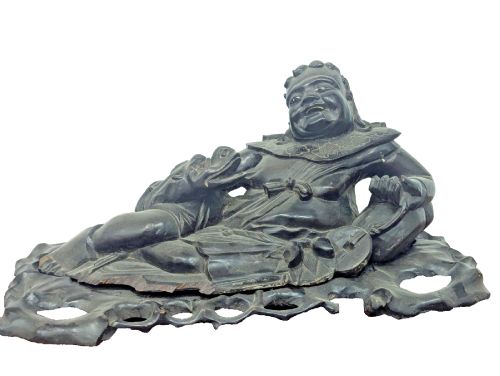
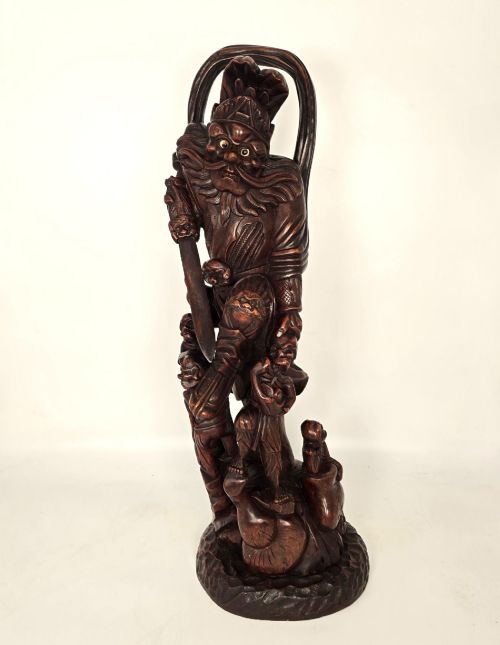
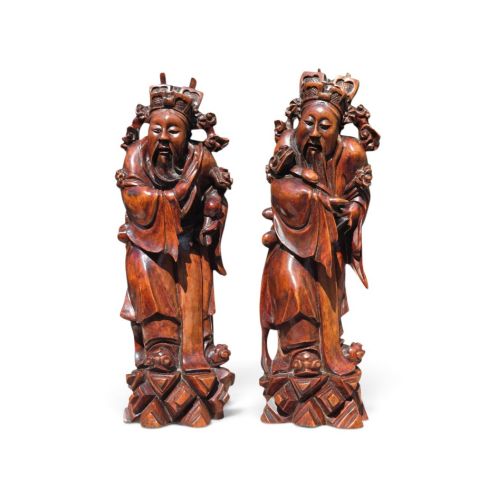
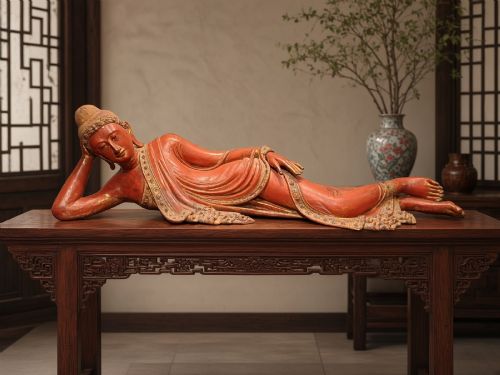
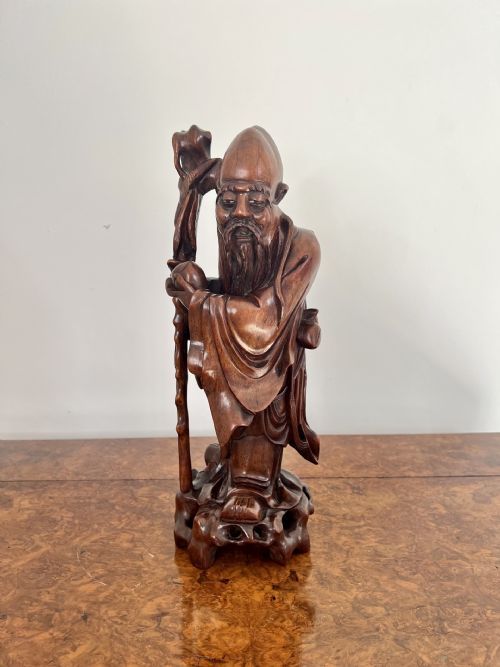
When buyers search for an asian wooden statue, they encounter sculptures carved across China, Japan, Burma, and Indonesia. These pieces include temple guardians, Daoist immortals, Buddhist deities, animals, and figures representing daily life.
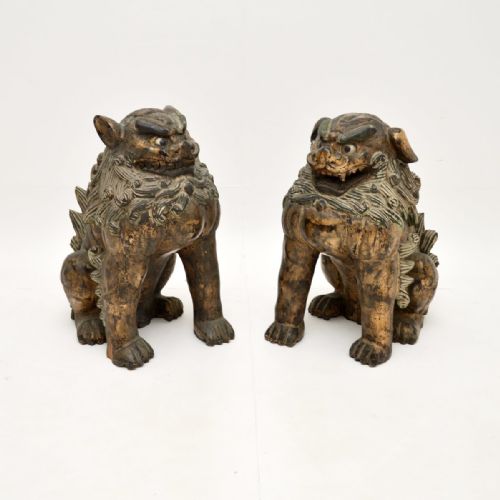
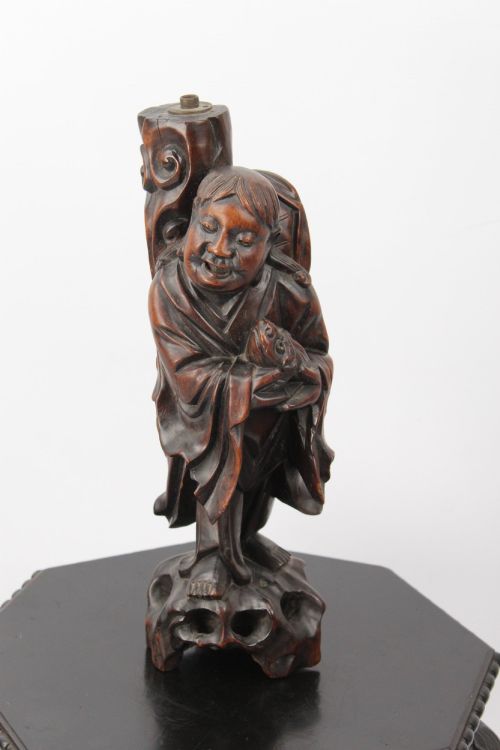
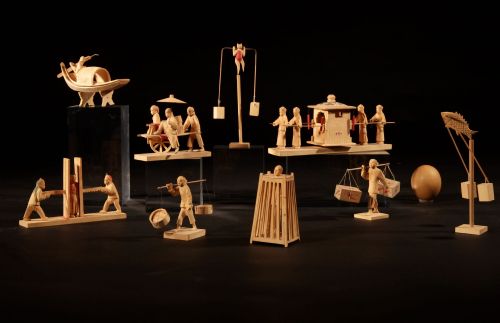
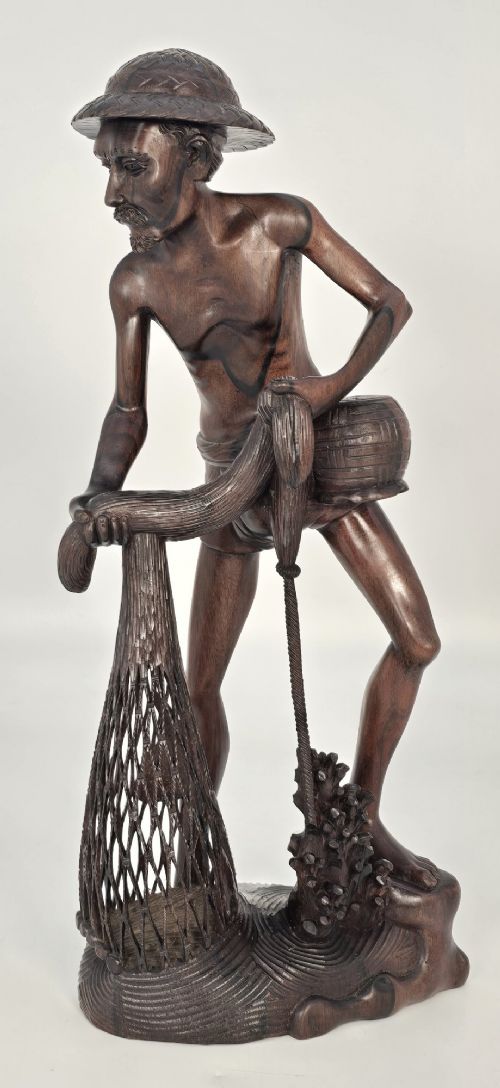
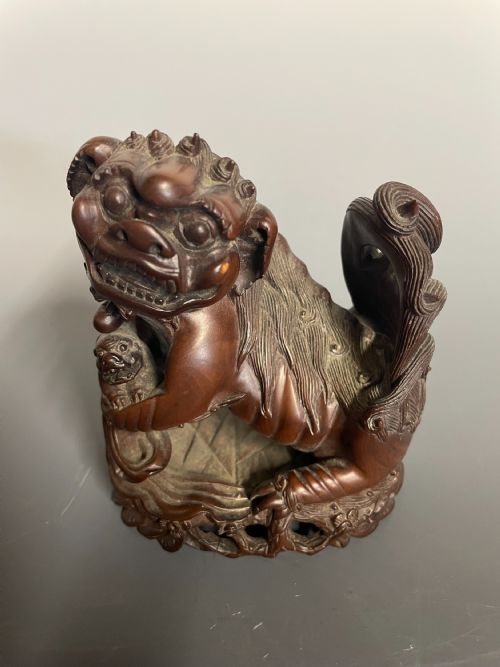
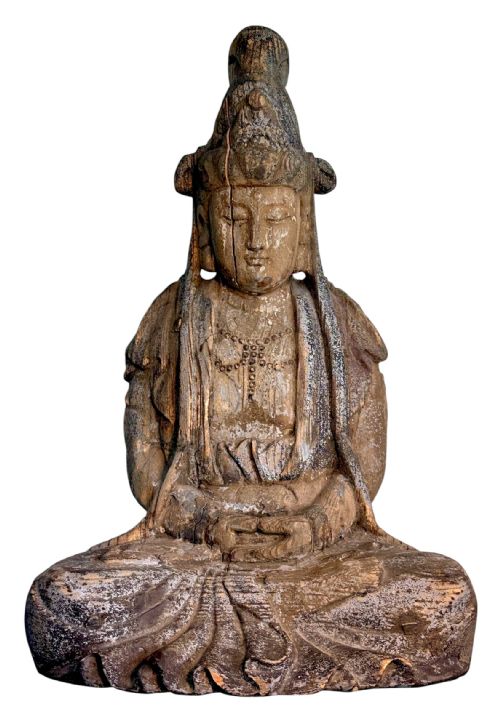
The selections on this page range from small domestic table sculptures to monumental temple carvings created during the Qing dynasty, the Meiji period, and the nineteenth century. Common subjects include Budai, Guanyin, Foo dogs, and regional dancers or fishermen.
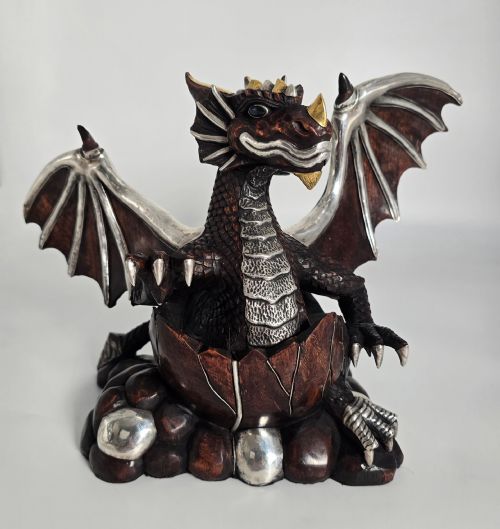
Root wood, boxwood, and dense tropical hardwoods form the primary substance for these figures. Artisans utilised the natural growths of roots alongside traditional block carving to shape each subject.
How They Were Made
Carvers shaped dense materials such as hardwood and boxwood using chisels and gouges to achieve deep, high-relief detailing. Root wood sculptures incorporated the natural contours of gnarled timber to suggest figures and creatures.
Workshops in China, Japan, and Burma applied distinct regional traditions, balancing natural wood finishes with elaborate painted or gilded adornments.
Listings feature wood, lacquer, and gold leaf applied across figures from the eighteenth, nineteenth, and early twentieth centuries.
What Varies in Quality
The preservation of original surface finishes, such as polychrome paint or gold leaf, heavily influences the character of a piece. Subtle handling of natural root wood grains also distinguishes finer artistic vision.
The Asian Wooden Statue Glossary
- Hardwood
- Slow-growing timber that provides a dense, durable medium for intricate sculptural detail. This material resists warping and supports fine tool work.
- Root wood
- Timber sourced from the root system of a tree, valued for gnarled, twisting shapes that inspire figurative carving. Sculptors incorporate these natural knots into dragons, scholars, and mythical beasts.
- Okimono
- A Japanese ornamental carving designed for display on a shelf or cabinet. These objects depict animals, deities, and daily scenes from the Meiji period.
- Foo dog
- A traditional guardian lion sculpture placed at gates and temples to ward off evil. These mythical beasts frequently appear in pairs holding balls or cubs.
Asian Wooden Statue: Frequently Asked Questions
Where were these wooden figures placed originally?
Many larger sculptures originated in temples, shrines, or ancestral halls as objects of ritual veneration and protection. Guardian figures and deities stood at entrances or altars to command the space.
Smaller carvings functioned as scholar objects for private contemplation or domestic decoration within homes. Okimono and tabletop figures sat on cabinets and ledges in daily living areas.
How do I care for antique wood sculptures?
Keep wooden carvings away from direct sunlight, heating vents, and rapid humidity changes to prevent the timber from splitting. Dust the surface gently with a soft, dry brush without applying liquid polishes.
Preserved surfaces with gold leaf or polychrome paint require particular care to avoid abrasion. Stable indoor environments ensure the historic finish remains intact.
What is the difference between root wood and standard hardwood?
Standard hardwood comes from straight timber trunks and yields uniform, symmetrical figures with controlled geometric compositions. Carvers shape these pieces according to traditional iconographic rules.
Root wood utilises the irregular, twisting growths of tree roots to suggest organic forms like dragons and scholars. The natural grain dictates the final shape of the sculpture.
How can I tell a temple figure apart from a domestic one?
Temple figures tend to be monumental in scale and often display traces of ritual wear, heavy gilding, or polychrome paint. Their iconography typically depicts fierce guardians, officials, or major deities meant for public shrines.
Domestic pieces are usually smaller in size and feature subjects from daily life, folklore, or personal prosperity. These smaller carvings prioritise intimate detail and tactile finish over commanding presence.