


Warm Brown Wood Carving
These pieces of warm brown wood carving bring tactile depth to a room through centuries of skilled handiwork.
Warm Brown Wood Carving
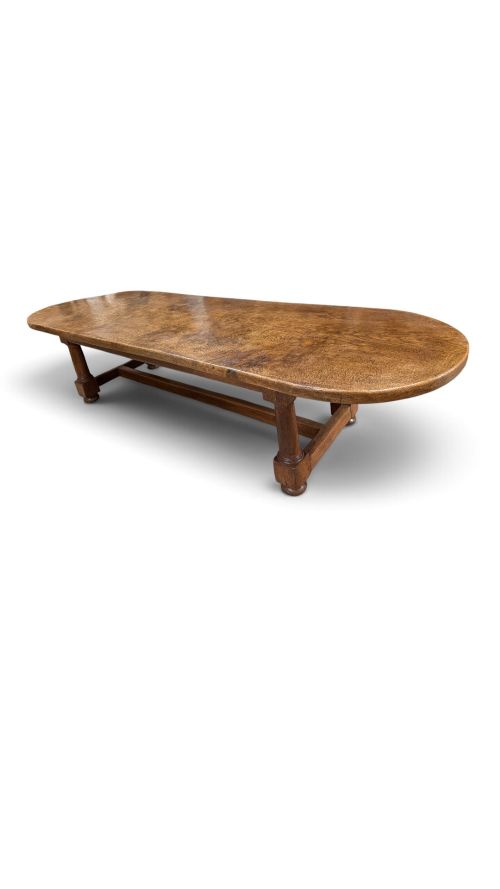
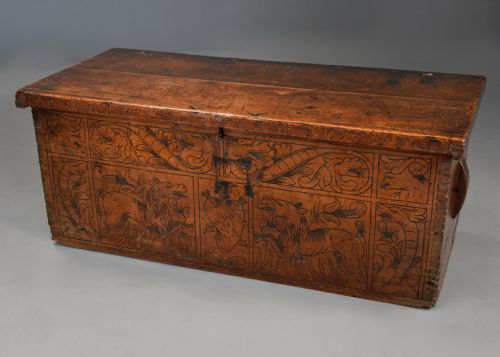
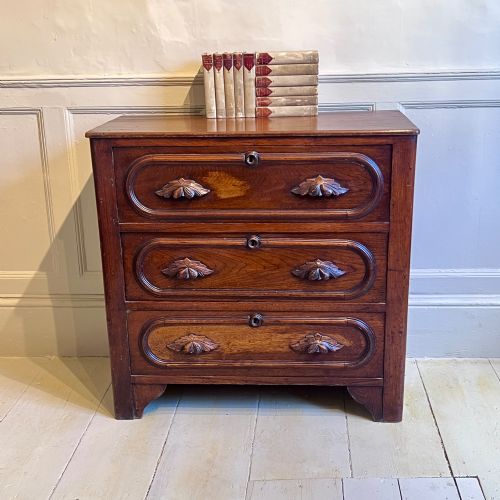
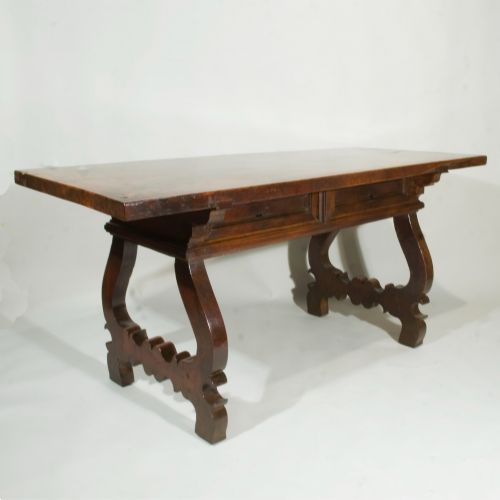
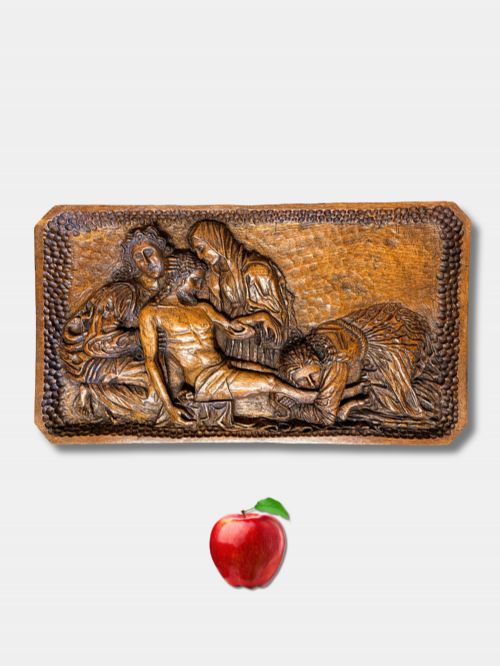
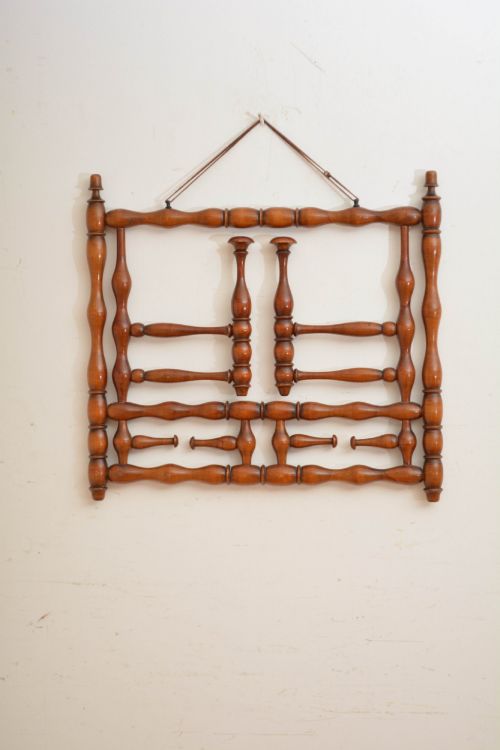
A search for warm brown wood carving brings up furniture and decorative objects shaped from timber like oak, walnut, mahogany and fruitwood. These items range from large dining tables and chests of drawers down to smaller items such as wall panels, coat racks and occasional tables.
The selection on this page leans heavily toward 19th-century and 18th-century forms, alongside pieces from the 17th century and early decades of the 20th century. Buyers will encounter rustic country benches, sideboards and carved panels alongside formal tables and chairs.
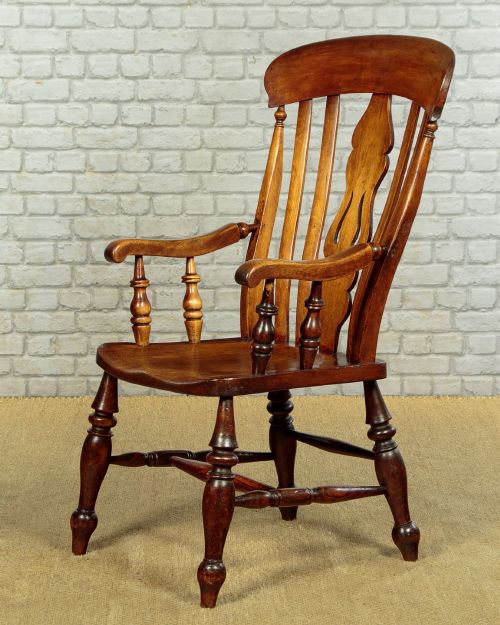
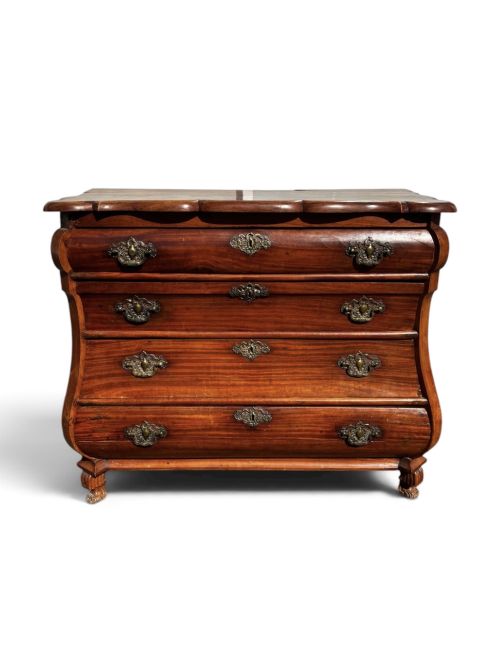
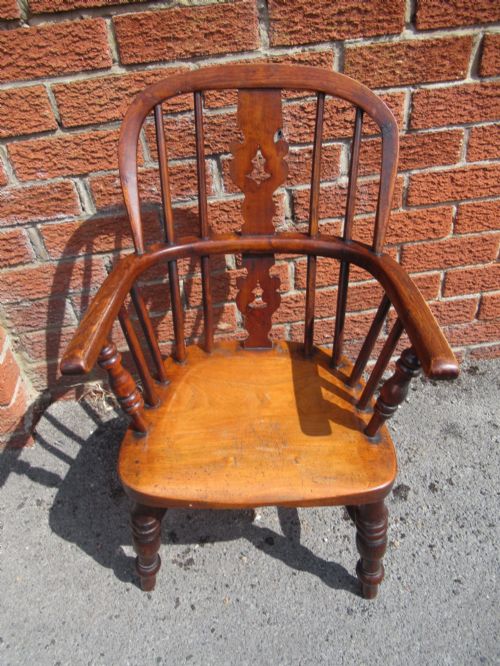
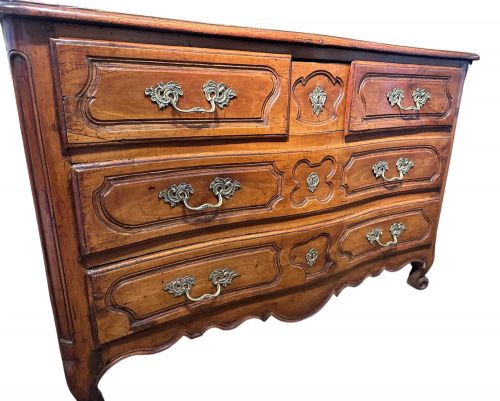
Origin points span English, French, Italian, Spanish and American workshops, showing how different regions utilised local timbers. Oak, walnut and cherry dominate the forms, shaped into everything from kitchen armchairs to bombe chests.
Distinctions in quality
Depth and precision of the chisel work distinguish superior carvings from simpler production pieces. Crisp undercut details and smooth contours indicate an experienced hand at the bench.
Quality also rests in the choice of timber and how well the wood has aged. Rich natural patination and sound structural integrity elevate a piece far above items with replacement sections or heavy modern alterations.
Listings span periods from the 17th century through the 1930s, featuring walnut, oak, mahogany, fruitwood and pine.
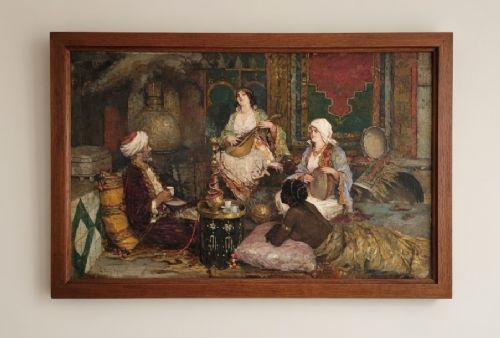
Franz Keller·SHOOLBRED
The Warm Brown Wood Carving Glossary
- Patina
- The surface sheen and colour developed by wood over years of handling, polishing and exposure to light. A rich patina is prized by collectors for its authenticity.
- Pollard oak
- Timber taken from trees that were pollarded, resulting in a dense, highly figured grain pattern filled with small knots. It was frequently utilised for decorative furniture fronts.
- Bombe
- A swollen or bulging contour shape typical of certain continental chests of drawers and commodes. This curved profile requires advanced woodworking skill to construct from solid wood.
- Grotto work
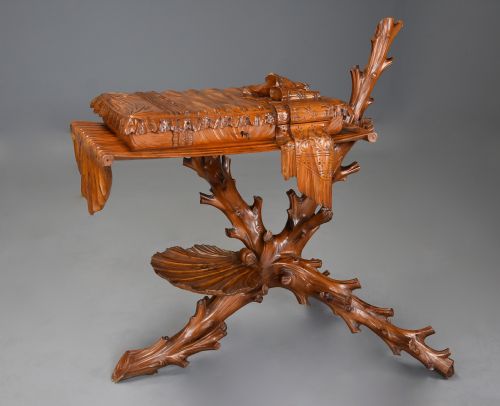
- Highly decorative carved woodwork featuring rustic motifs like shells, scrolling foliage and rockwork. It was popular in specific 19th-century revival styles.
- Tilt top
- A table top hinged to a central pillar so it can be tilted vertically when not in use. This mechanism allowed tables to be stored flat against walls in smaller rooms.
Warm Brown Wood Carving: Frequently Asked Questions
How do I clean carved wooden furniture?
Dust gently with a soft, dry brush to keep debris out of the carved recesses without abrading the surface.
Avoid liquid cleaners or modern polishes that can build up in the grain and dull the original patina over time.
Are these pieces made from solid wood?
The listings here feature solid timbers such as oak, walnut, mahogany, cherry and camphorwood. Makers selected these durable woods for both structural stability and deep colour.
Construction methods reflect the period of origin, utilising heavy planks and framed panels designed to withstand daily use.
How can I tell an 18th-century piece from a 19th-century one?
Dating relies on observing tool marks, timber choice, construction joints and the specific styling of the carving. Earlier items often show hand-sawn board edges and pegged joints.
Comparing regional furniture forms and decorative motifs helps narrow down the decade or century of manufacture.
Where were these carved items originally used?
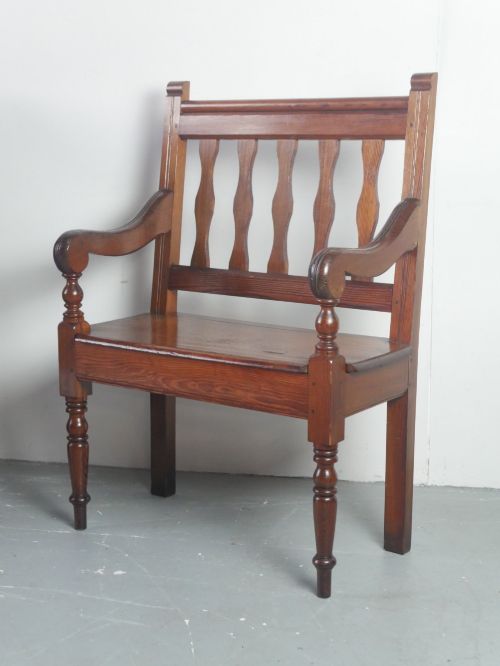
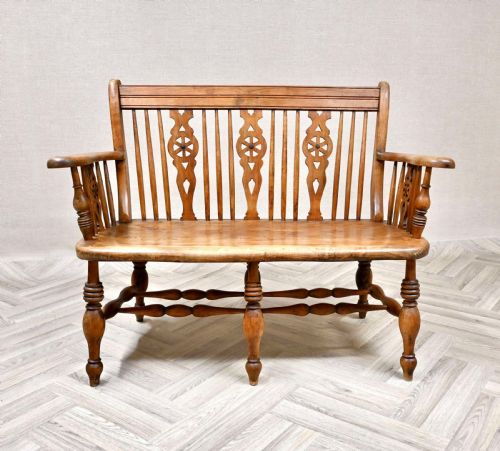
Many originated in country houses, provincial farmhouses and urban townhouses as practical furnishings or decorative wall art. Items ranged from utilitarian kitchen armchairs to formal dining tables and hall benches.
They served daily domestic functions while displaying the homeowner's taste through elaborate woodwork.