






Oriental Carved Standing Figure
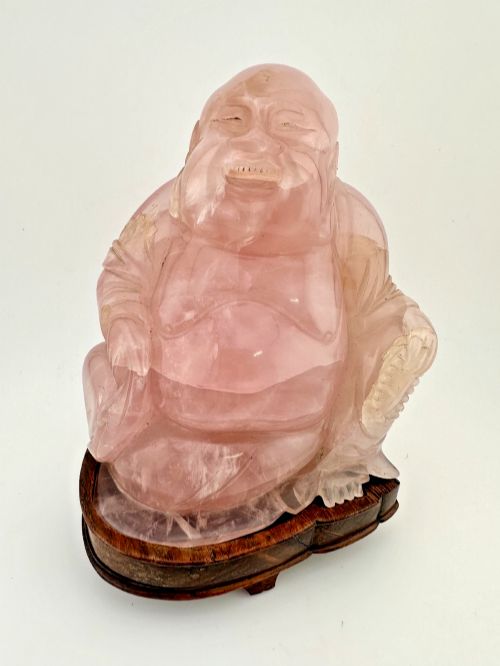
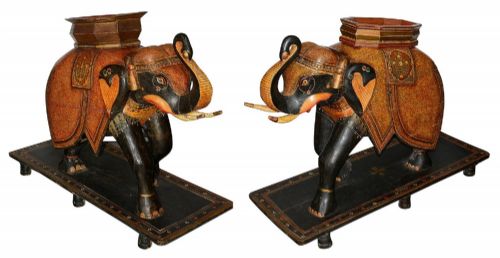
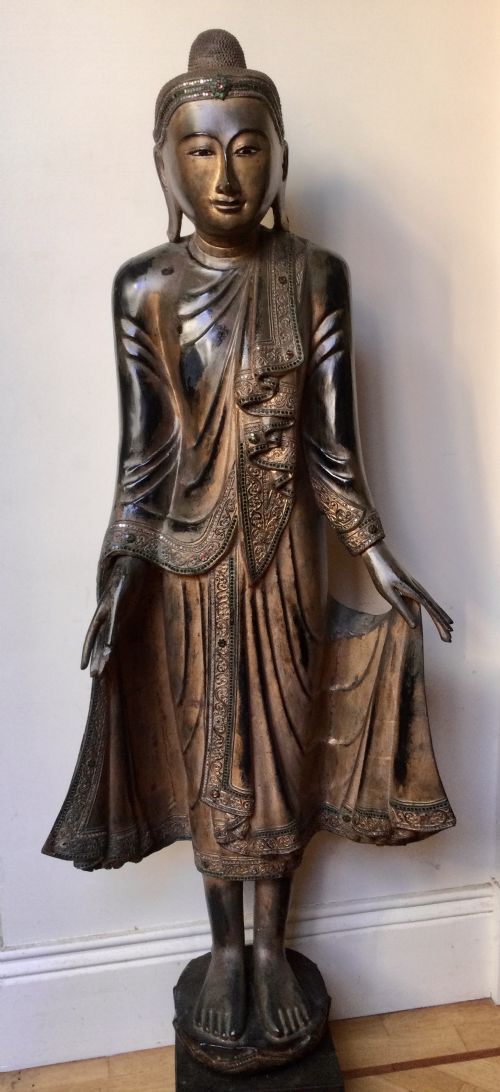
An oriental carved standing figure brings tangible presence to a room, taking the form of deities, animals and cultural icons crafted across Asia.
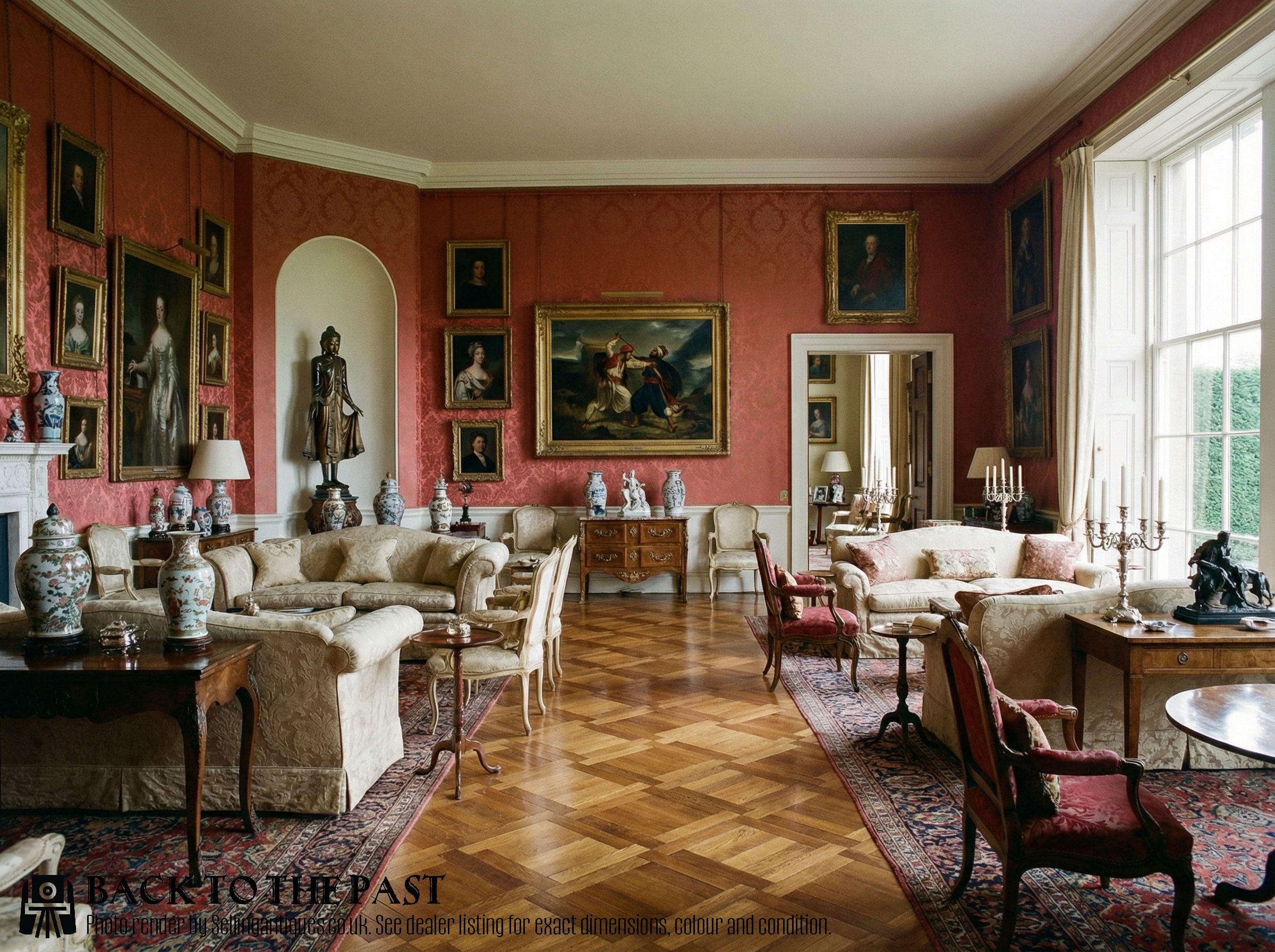
Oriental Carved Standing Figure
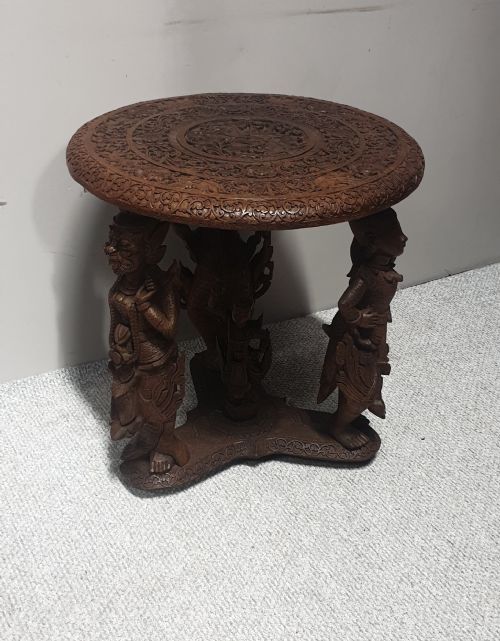
An oriental carved standing figure encompasses sculptures of Buddha, Guanyin, elephants, and human subjects originating from various Asian traditions. These pieces reflect distinct regional aesthetics, spanning Chinese, Japanese, Burmese, and Kashmiri craftsmanship.
The selection on this page centres on items from the nineteenth and early twentieth centuries. Buyers frequently encounter hardwood elephant pairs, polychrome wood figures, and carved stone statues mounted on wooden stands.
What varies in quality
The preservation of original surface treatments, including polychrome pigments and gilding, alters the integrity of an object. Integrated stands that match the timber and period of the main figure indicate higher workshop standards.
Represented regional styles span Qing Dynasty, Meiji Period, Kashmiri, and Burmese Mandalay traditions.
The Oriental Carved Standing Figure Glossary
- Polychrome
- Painted in several colours. This finish adorns carved wood surfaces to highlight garments and decorative motifs.
- Hardwood
- Dense timber derived from broad-leaved trees. Sculptors utilised these durable woods for freestanding animal and human figures.
- Okimono
- A Japanese decorative ornament intended for display on a shelf or tokonoma. These miniature carvings often depict figures or daily scenes.
- Lacquer
- A durable varnish derived from tree sap applied in layers. Artisans built up smooth coloured coats on wooden sculptures and decorative objects.
Oriental Carved Standing Figure: Frequently Asked Questions
How do I clean a carved wood figure?
Dust the surface gently with a soft, dry brush to prevent particle accumulation in carved recesses.
Avoid liquid cleaners, moisture, and direct sunlight, as these elements damage aged wood and delicate lacquer finishes.
Where should I place a standing figure?
Position statues on stable side tables or dedicated surfaces away from heat sources and fluctuating humidity.
Allow enough surrounding space for the silhouette and any integrated wooden stand to be viewed clearly.
Are these figures heavy?
Weight depends entirely on the material, ranging from lightweight bamboo and soapstone to dense hardwoods and solid stone.
Larger stone or hardwood pieces require sturdy support furniture to bear their substantial mass safely.
How do I identify the period?
Examine tool marks, wear patterns on the base, and the ageing characteristics of the wood, stone, or lacquer.
Stylistic conventions tied to dynasties and regional artistic movements provide further chronological indicators.