



Antique Christian Wood Sculpture
An antique christian wood sculpture brings centuries of devotional devotion and skilled carving into a room, offering tactile connection to historical craftsmanship.
Antique Christian Wood Sculpture
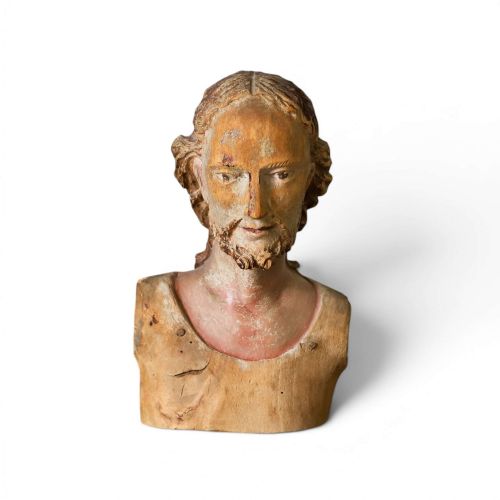
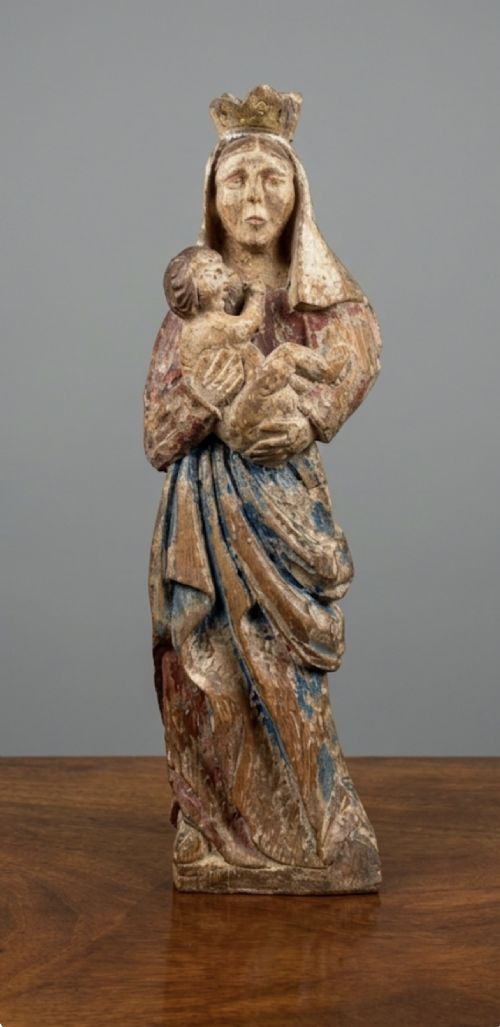
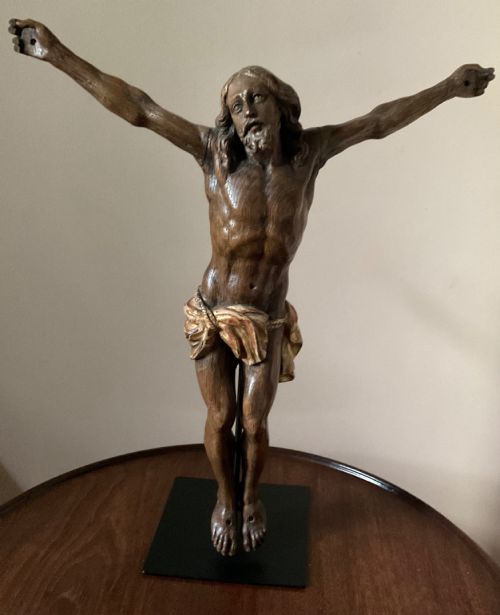
When buyers search for an antique christian wood sculpture, they encounter carved figures and panels depicting sacred subjects like the Madonna and child, saints, and figures of Christ. These works emerge from traditions spanning the pre-sixteenth century through the nineteenth century.
The selections available here range from small devotional studies in oak to larger polychrome angels and figures dressed in paint and gold leaf. Regional variations appear across Italy, Germany, and the Low Countries, showcasing Gothic, Renaissance, and Baroque sensibilities.
Sacred figures from the eighteenth century and earlier dominate the physical forms, often taking the shape of busts, wall panels, and freestanding statues. Buyers most frequently meet pieces carved from oak or olive wood, frequently enhanced by historic paint layers and gesso.
How they were made
Carvers shaped these works from dense timbers such as oak and olive wood, utilising gouges and chisels to define folds of drapery and facial expressions. The natural grain of the wood provided a durable foundation for subsequent surface decoration.
Many surfaces received a layer of gesso before painters applied polychrome pigments and gold leaf to heighten realism and devotional impact. This combination of carved timber and applied colour created figures with distinct visual depth.
What varies in quality
The depth of anatomical understanding and the fluidity of drapery carving separate masterworks from simpler folk art productions. Skilled hands captured movement and emotion in wood, whereas lesser pieces rely on stiff, repetitive forms.
The preservation of original polychrome paint and gold leaf significantly influences the character of a piece. Traces of ancient pigment add historical depth, while unsympathetic later overpainting alters the intended aesthetic balance.
The Antique Christian Wood Sculpture Glossary
- Polychrome
- Decorated in multiple colours. This term describes historic painted surfaces found on wooden sculptures.
- Gesso
- A plaster mixture applied to wood as a base for painting or gilding. It creates a smooth white ground.
- Corpus Christi
- The body of Christ depicted on a crucifix. These carvings focus on anatomical detail and emotional expression.
- Pieta
- A subject depicting the Virgin Mary supporting the dead body of Christ. It is a common theme in early European wood carving.
- Baroque
- An artistic style characterised by dramatic movement and rich detail. It heavily influenced seventeenth and eighteenth century religious sculpture.
Antique Christian Wood Sculpture: Frequently Asked Questions
How old are these wooden sculptures?
The pieces span from pre-sixteenth century medieval works up to nineteenth century revivals. Each era brings distinct carving techniques and stylistic preferences.
Datings rely on stylistic markers, tool marks, and the ageing patterns visible in the timber and historic surface finishes.
How should I display an antique sculpture?
Place wooden carvings away from direct sunlight and sudden temperature shifts to protect the timber and historic paint. Stable indoor conditions prevent the wood from splitting.
Wall sculptures require secure fixings suited to their weight, while freestanding figures benefit from stable plinths or shelves.
What woods were used for these carvings?
Carvers typically utilised dense, durable hardwoods available in their local regions, such as oak and olive wood. These timbers held fine details under the chisel.
Makers selected wood grain and density carefully to support the intended form, whether a detailed facial expression or deep drapery folds.