

Carved Wooden Religious Sculpture
These pieces of carved wooden religious sculpture span centuries of devotional art, offering tangible history for collectors of sacred artefacts.
Carved Wooden Religious Sculpture
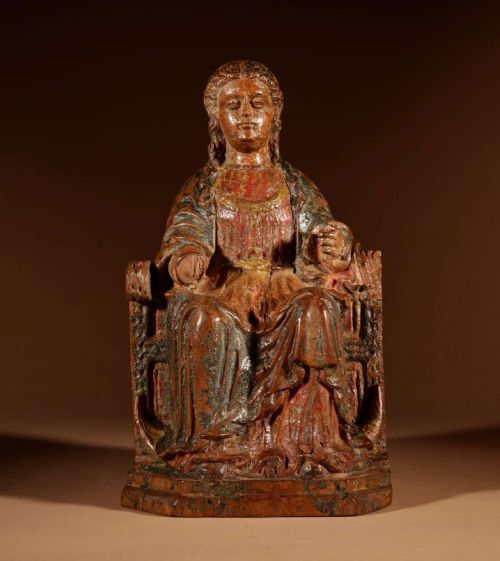
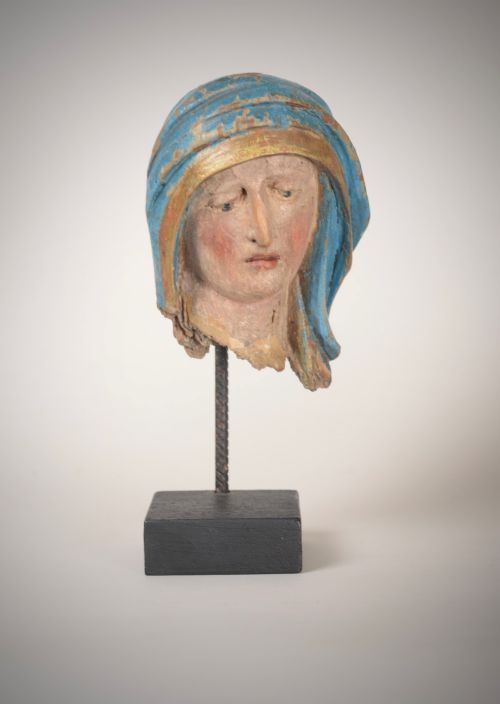
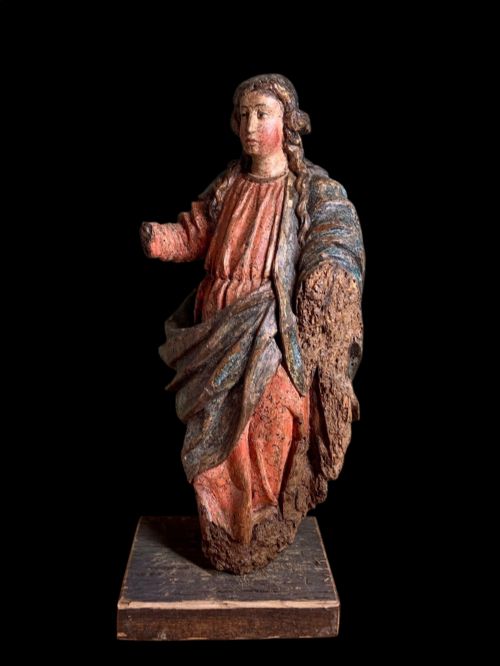
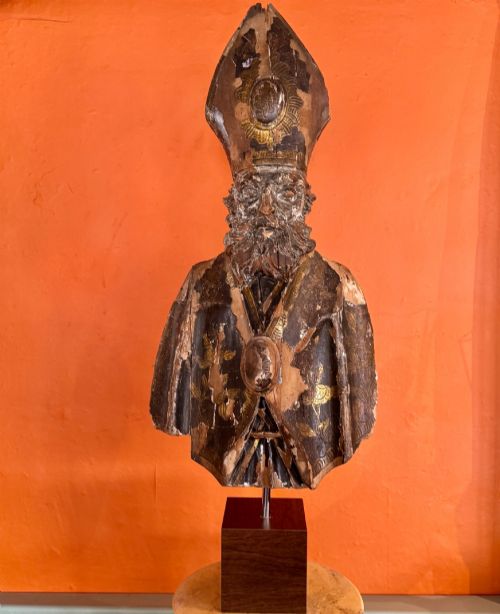
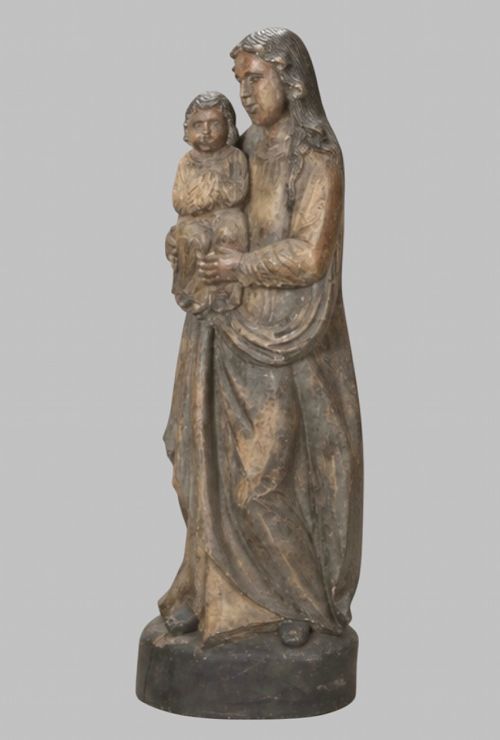
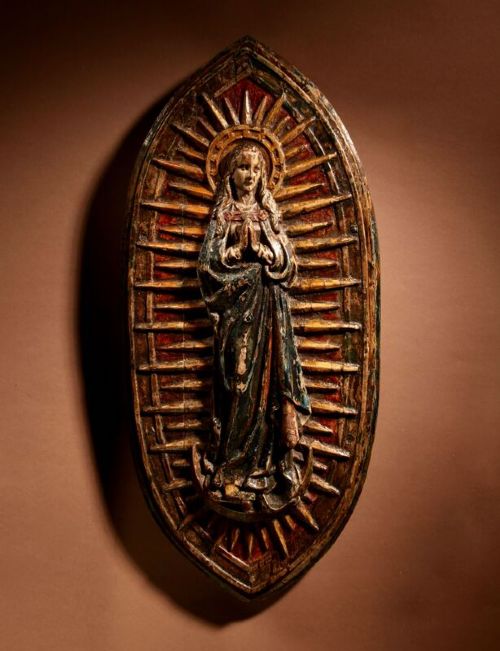
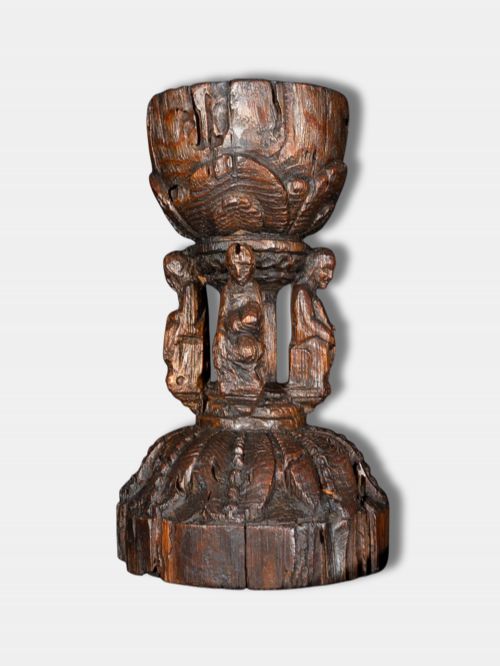
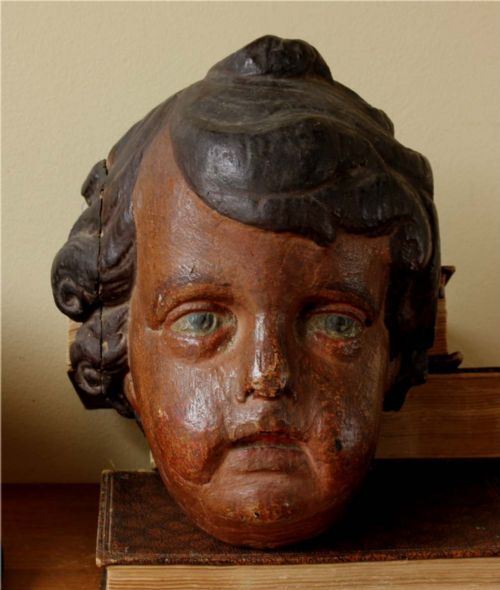
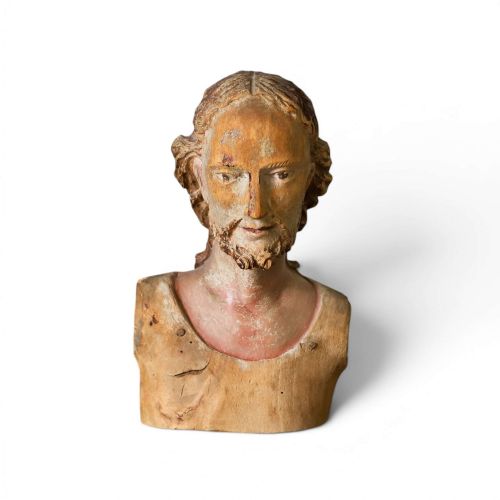
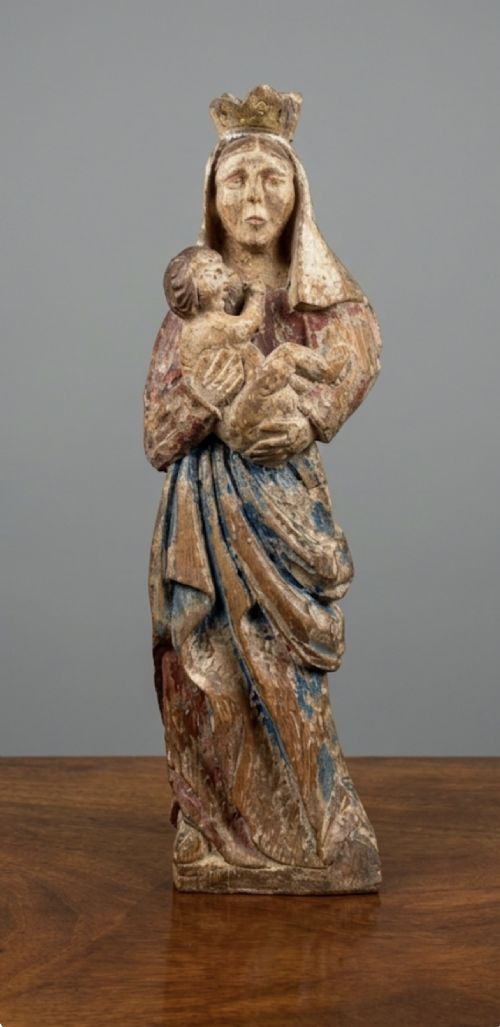
A carved wooden religious sculpture embodies centuries of devotional expression across various European and global traditions. When exploring carved wooden religious sculpture, a buyer encounters figures of saints, Madonnas, and ecclesiastical busts originating from monastic and domestic settings alike.
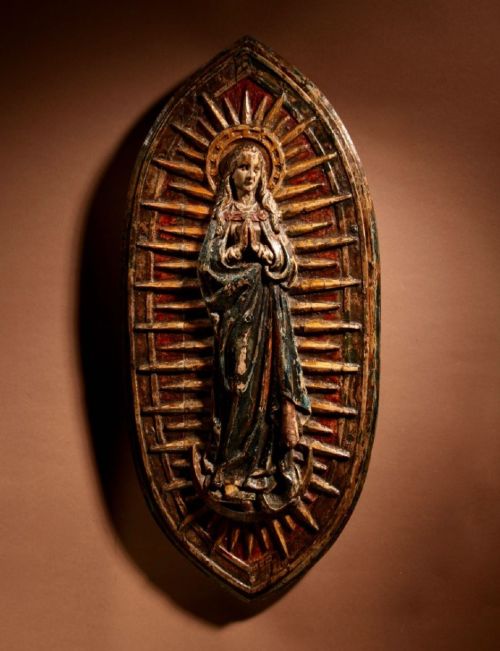
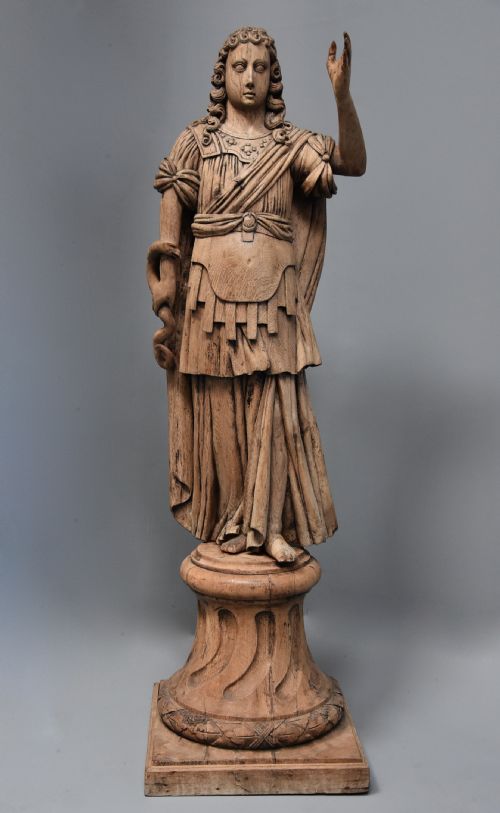
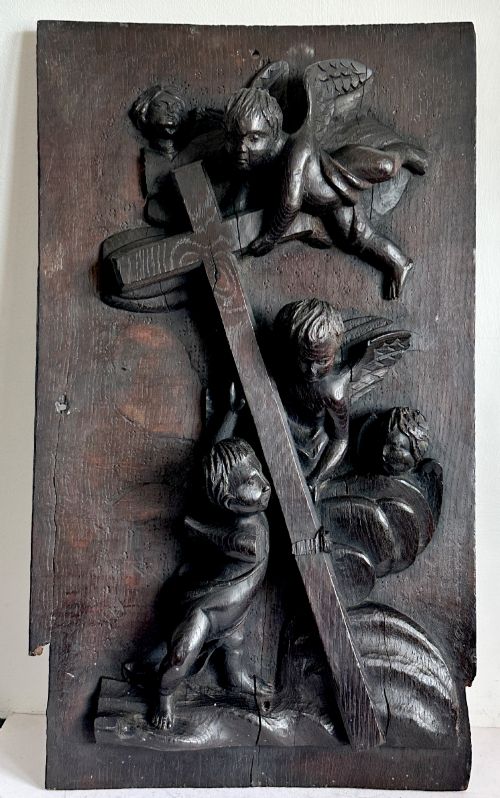
The selections span from sixteenth-century oak panels and altarpiece fragments to eighteenth-century polychrome figures and nineteenth-century statues. Continental workshops produced much of the material seen, particularly from Italy, France, Spain, and Germany.
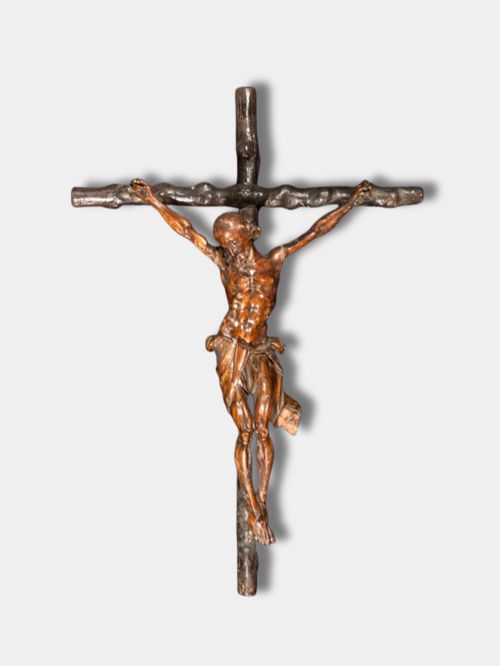
Forms range from intimate wall sculptures and crucifixes to life-size figures mounted on plinths. Alongside Christian subjects, related devotional carvings from Asian traditions appear within the selections.
How they were made
Craftsmen utilised regional timbers such as oak, walnut, chestnut, limewood, and olive wood, shaping the grain with chisels and gouges. Figures were often carved from single blocks or assembled from multiple joined sections depending on the scale.
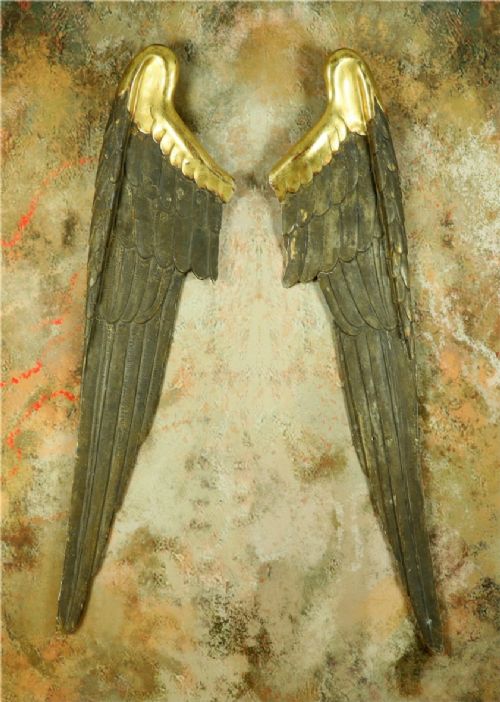
Surfaces frequently received preparation with gesso layers before painters applied polychrome pigments or gold leaf embellishments. Gilding and paint brought depth and devotional luminosity to garments and flesh tones, though much of this surface decoration has weathered or worn over time.
The selections span multiple centuries, ranging from sixteenth-century oak fragments to nineteenth-century Burmese and Asian devotional works.
What varies in quality
The survival of original surface treatments significantly influences the character of a piece. Original polychrome paint and gold leaf provide historical integrity compared to later overpainting or stripped timber surfaces.
The Carved Wooden Religious Sculpture Glossary
- Polychrome
- Painted in several colours. This surface treatment was applied over gesso to wooden sculptures to render garments and skin tones lifelike.
- Gesso
- A plaster mix used as a base. Craftsmen spread this preparation over timber to provide a smooth ground for gold leaf and paint.
- Corpus Christi
- The body of Christ on the cross. These wooden figures form the central devotional focus of traditional crucifixes.
- Altarpiece
- A structured panel placed behind an altar. Central panels from these large architectural works frequently survive as independent wall sculptures.
Carved Wooden Religious Sculpture: Frequently Asked Questions
How do I date a carved wooden sculpture?
Dating relies upon stylistic markers, tool marks left by the carver, and the natural ageing of the timber. Analysing the preparation layers beneath any remaining paint also helps determine the period.
Changes in clothing folds, facial carving conventions, and joinery techniques provide further clues for distinguishing sixteenth-century panels from later nineteenth-century revival pieces.
What is polychrome paint on wood?
Polychrome paint is the historical pigmented finish applied to decorate sacred figures. Artisans used mineral pigments bound in mediums like oil or tempera over a gesso ground.
Over centuries, this paint layer often develops a craquelure network or suffers losses, which experts evaluate to determine whether the finish remains original.
Where were these sculptures displayed originally?
These pieces stood within churches, private chapels, and monastic foundations as objects of veneration. Larger life-size figures occupied niches, while panels formed parts of elaborate altarpieces.
Smaller devotional carvings were utilised in domestic spaces for private prayer and contemplation before being acquired by later collectors.
How should I care for antique wood carvings?
Maintain stable humidity and temperature levels in the room to prevent the timber from splitting or warping. Keep wooden sculptures away from direct sunlight and heat sources.
Dust the surface gently with a soft, dry brush and avoid applying modern polishes or cleaning agents that could damage fragile gesso and paint layers.