
Brown Carved Wood Figure
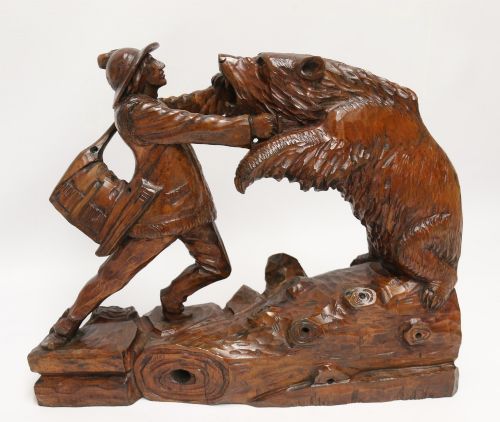
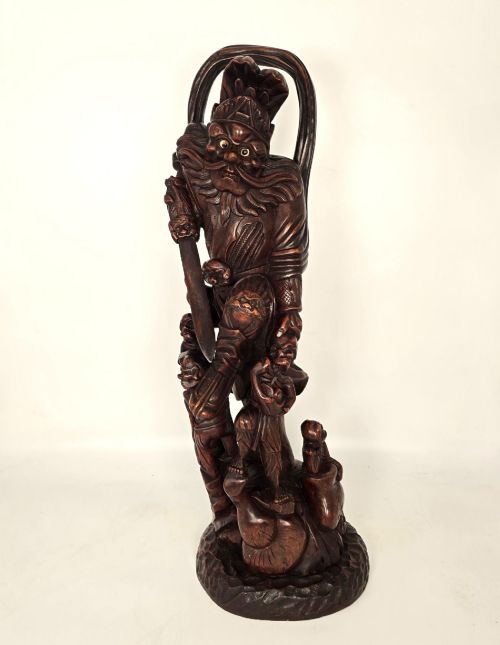
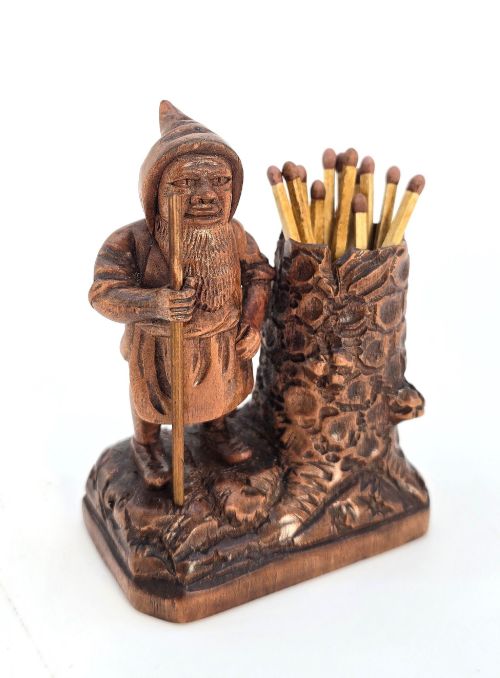
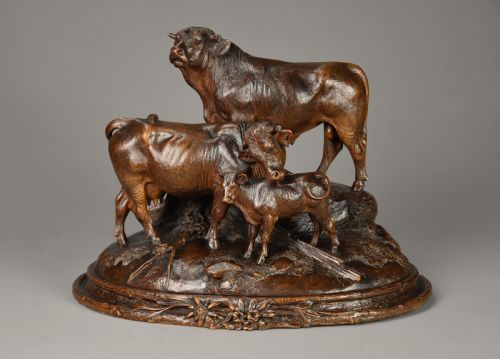
A brown carved wood figure brings warmth and distinct character to a room, ranging from European Black Forest animals to monumental Chinese guardian kings.
Brown Carved Wood Figure
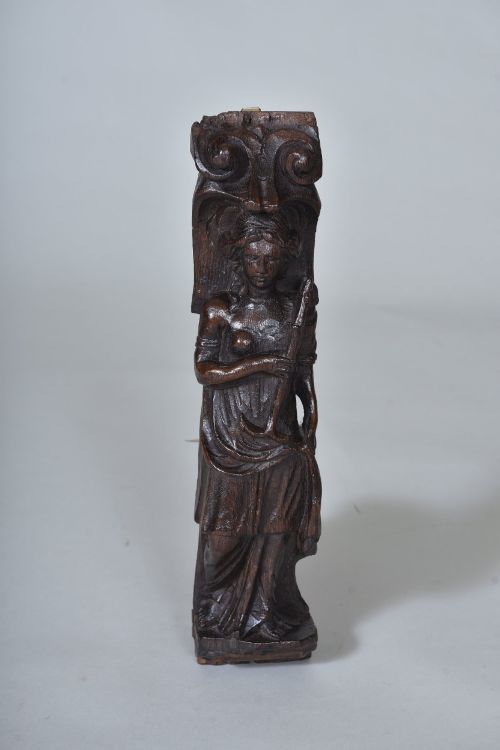
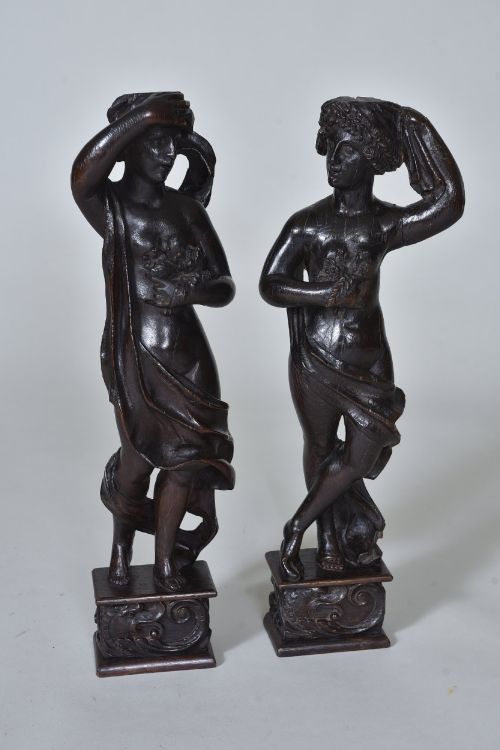
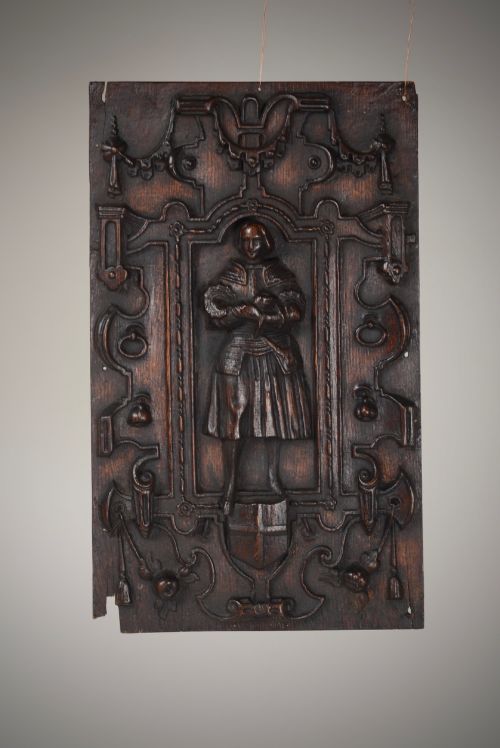
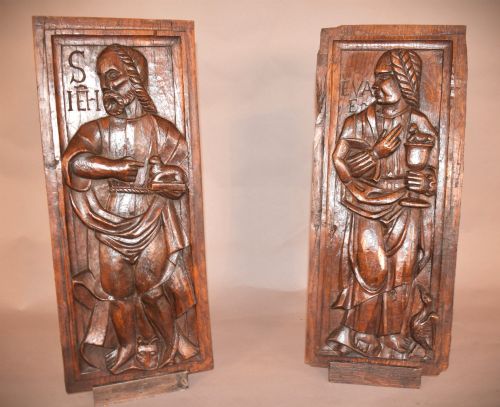
When you search for a brown carved wood figure, you encounter a diverse selection of sculptural objects spanning multiple centuries and global traditions. The range includes European folk art, devotional saints, and detailed animal studies carved from various timbers.
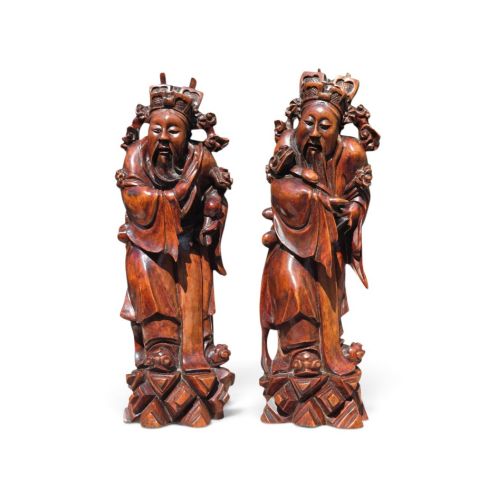
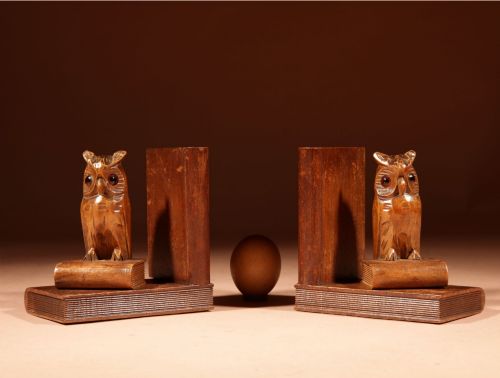
You are most likely to meet pieces originating from the nineteenth and early twentieth centuries, particularly Black Forest animal carvings and Chinese hardwood figures. These range from domestic bookends and small figures to substantial sculptural groups and life-size representations.
How they were made
Carvers utilised regional timbers such as walnut, oak, linden wood, and dense exotic hardwoods to achieve both delicate details and robust forms. The selection of wood dictated the level of intricacy possible in the final sculpture.
Makers employed traditional hand gouges, chisels, and knives to shape the timber directly from blocks or seasoned branches. Surface finishing often involved hand waxing, polishing, or occasionally polychrome paint application to enhance the natural grain and detail.
Listings feature timbers including walnut, oak, linden wood, and hard exotic hardwoods across the nineteenth and twentieth centuries.
What varies in quality
The anatomical precision and fluidity of the carving separate standard workshop pieces from master works. Superior examples demonstrate a deep understanding of muscle, posture, and expression, particularly evident in animal and human figures.
The depth of relief and the preservation of crisp surface details without over-cleaning or sanding define the integrity of a piece. Original surfaces retain the tool marks and natural patina accumulated through age.
J Huggler
The Brown Carved Wood Figure Glossary
- Black Forest
- A style of wood carving originating from the Brienz region of Switzerland during the nineteenth century. These pieces predominantly feature realistic wildlife and naturalistic forest themes.
- Hardwood
- Timber derived from broadleaved deciduous trees, offering dense and durable qualities suitable for intricate sculptural work. Walnut and oak are common examples found in earlier carvings.
- Polychrome
- Painted or decorated in several colours, often applied to gesso or directly onto the wood surface of devotional figures. This technique adds lifelike realism to religious sculptures.
- Limewood
- A fine-grained, pale timber favoured by carvers for its lack of prominent grain and soft working properties. It allows for exceptionally sharp, microscopic detailing in figurative subjects.
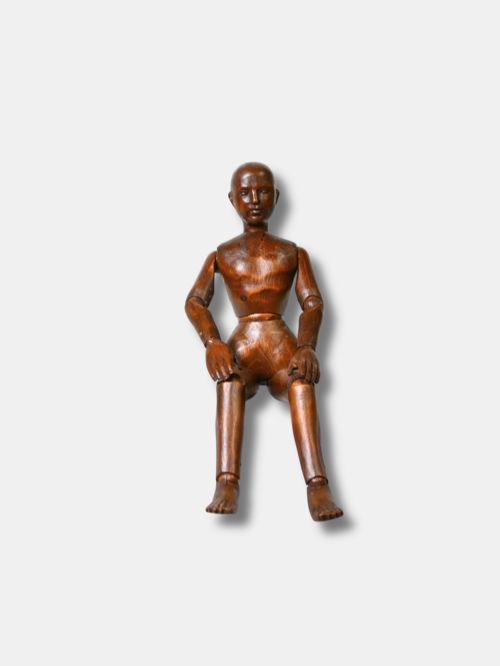
- Artist Lay Figure
- An articulated wooden mannequin utilised by painters and sculptors to study drapery and human anatomy. Fully jointed limbs allow the figure to hold specific poses.
Brown Carved Wood Figure: Frequently Asked Questions
How do I identify Black Forest carvings?
Black Forest carvings typically depict animals such as bears, owls, and dogs rendered with high naturalism, often originating from Switzerland or Germany during the Victorian era.
Look for expressive glass eyes, realistic fur texturing, and rich walnut or linden wood tones that develop a deep patina over time.
What is the difference between European and Chinese figures?
European figures frequently draw from folk art traditions, religious subjects, or alpine wildlife, showcasing softer timbers like linden. Chinese figures often utilise dense exotic hardwoods to portray Daoist immortals, guardian kings, and mythological dragons.
Chinese carvings tend to emphasise monumental scale and intricate drapery, whereas European works often focus on narrative scenes or domestic utility.
How should I care for antique wooden sculptures?
Keep wooden sculptures away from direct sunlight and sudden temperature shifts to prevent the timber from splitting or warping over time. A light application of microcrystalline wax helps nourish the wood and maintain its natural lustre without building up residue.
Avoid using liquid polishes or household cleaners, which can strip the historic patina and damage exposed wood fibres.
Are artist lay figures still functional?
Artist lay figures retain their fully articulated wooden joints, allowing the limbs and digits to move into various anatomical positions. While primarily collected as decorative objects today, their mechanical joints remain operable when handled with care.