



19th Century Religious Carving
These pieces of 19th century religious carving bring devotional heritage into a room through hand-worked figures and panels shaped by period workshops.
19th Century Religious Carving
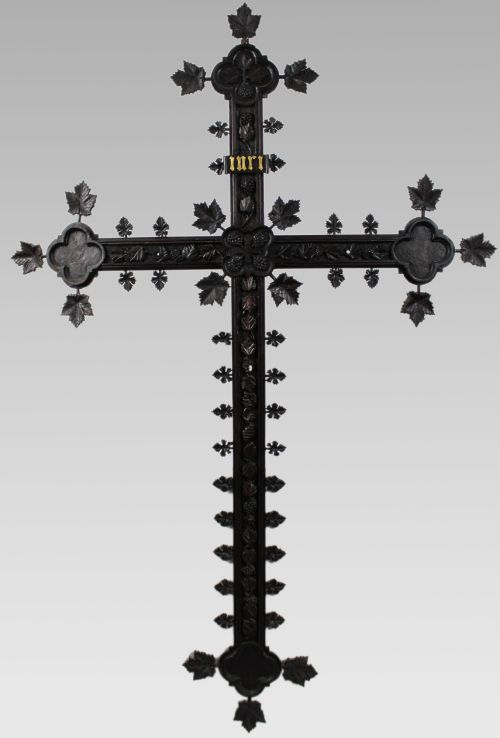
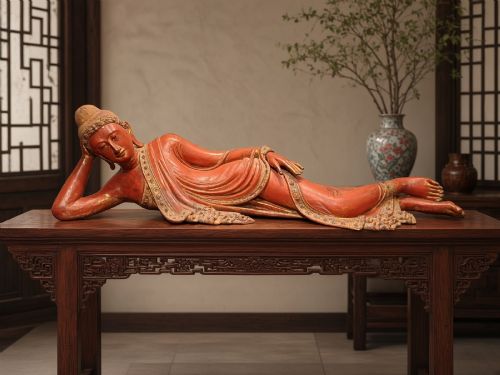
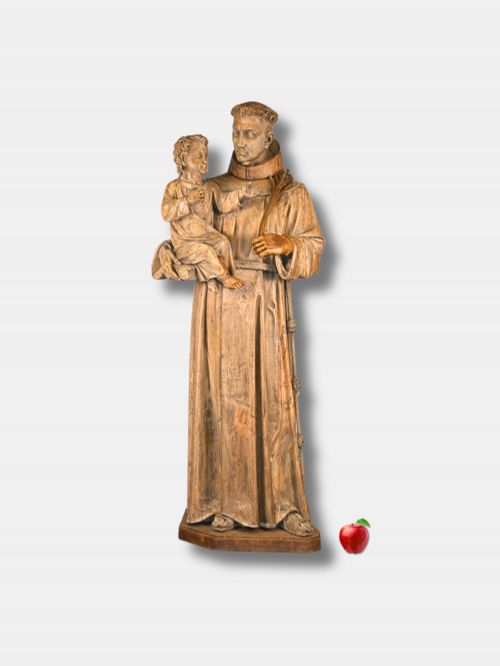
A 19th century religious carving encompasses devotional figures, crucifixes, panels, and prayer desks sourced from various origins including France, Italy, Germany, and Asia. Buyers encounter depictions of saints, monks, the Virgin Mary, and Buddha figures shaped during the Victorian period and surrounding decades.
Smaller devotional items such as mother of pearl plaques and carved coquilla nut boxes also appear within the wider category of religious sculpture and works of art.
Materials and methods
Makers shaped these objects primarily from solid hardwoods such as oak, walnut, and rosewood, applying hand-carving techniques to achieve high relief and intricate detail. Softer stones like alabaster and marble appear alongside carved wood in sculptural busts and relief panels.
Many wooden surfaces received layers of gesso before painters applied polychrome pigments, gold leaf, or complete gilding to enhance the devotional imagery. Subsidiary details often incorporate brass fittings or upholstered velvet elements on prayer furniture.
The documented styles span Gothic Revival, folk art, Neoclassical, Spanish Colonial, Burmese, French, and Chinese regional traditions.
Assessing quality and execution
The survival of original surface treatments such as polychrome paint, gold leaf, and gesso strongly influences the character of a piece. Applied finishes that retain their early patination distinguish superior workshop output from later alterations or heavy overpainting.
The 19th Century Religious Carving Glossary
- Prie-dieu
- A small desk or chair designed for prayer, featuring a sloping shelf for books and a padded kneeling rail. These pieces frequently incorporate carved oak or ebonised wood.
- Polychrome paint
- Decoration applied using multiple colours on wood or gesso surfaces to bring lifelike detail to devotional figures. This technique was widely utilised in European and Asian religious art.
- Gesso
- A plaster-like mixture applied to wood surfaces to create a smooth base for subsequent gilding or painting. It helps secure metal leaf to carved wooden sculptures.
- Santos figure
- A devotional carved figure representing a saint or divine personage, often dressed in textiles or finished with painted surfaces for processional and domestic use.
- Giltwood
- Wood that has been coated with a thin layer of gold leaf or gold powder. It appears on large religious figures and architectural church elements.
19th Century Religious Carving: Frequently Asked Questions
How were these religious carvings used?
Devotional carvings served various functions within churches, domestic shrines, and private chapels for prayer and contemplation. Larger statues commanded space in temples or altars, while smaller figures and plaques facilitated personal daily devotion.
Porter chairs and prie-dieu desks provided physical support during prolonged prayer, combining functional furniture with sacred art through integrated wood carving and upholstery.
What materials are typical for these pieces?
Carved wood forms the foundation of most items, utilising timbers like oak, walnut, rosewood, and miscellaneous local woods. Craftsmen often enriched these wooden forms with gesso, gold leaf, and polychrome paint.
Stone materials such as marble and alabaster also appear in sculptural heads and relief panels, alongside organic mediums like mother of pearl and coquilla nut in smaller devotional objects.
How should I care for antique wood carvings?
Keep wooden sculptures and panels away from direct sunlight and sudden temperature shifts to prevent timber from splitting or warping. Maintain stable indoor humidity levels to protect fragile gesso and gold leaf layers.
Dust surfaces gently with a soft, dry cloth rather than applying liquid polishes or chemical cleaners that might damage aged paint or exposed wood patination.