

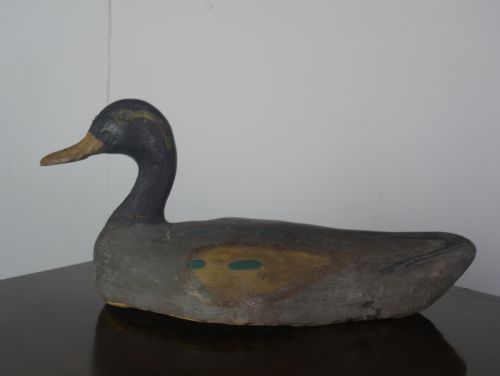


Grey Painted Wooden Figure
A grey painted wooden figure brings tactile warmth and weathered character to a room, offering sculptural presence carved by hand.
Grey Painted Wooden Figure
A grey painted wooden figure encompasses carved objects ranging from decoy ducks and animals to religious sculptures and fairground rides. When exploring a grey painted wooden figure, collectors encounter folk art expressions alongside functional carvings shaped from solid timber. These works bridge practical utility and aesthetic display, holding a distinct appeal for interiors that favour rustic texture.
The examples available draw from several centuries, spanning the eighteenth, nineteenth, and early twentieth periods. Makers constructed these sculptures across distinct aesthetic traditions, including folk art, baroque, and gothic styles. Most pieces show the unmistakable marks of hand carving, finished in layered coats of paint that have aged over decades.
Construction and materials
Makers fashioned these sculptures primarily from solid wood, often applying gesso to prepare surfaces before painting. Artisans used hand tools to shape timber into animal, human, and mythical forms, relying on traditional joinery and carving techniques appropriate to their era. Metal or iron components occasionally reinforce structural elements within larger figures.
Surface treatments rely on oil paint and pigment layers applied directly over carved wood or gesso. Decades of exposure and handling cause the painted surfaces to crack, chip, and soften in tone. This weathering process creates the signature grey patination valued by contemporary collectors.
Grey Painted Wooden Figure Retail Price Guide 2026
Typical asking prices for grey painted wooden figure among the pieces listed under this phrase on Sellingantiques today, from the lower quarter to the upper quarter. They describe what is for sale here now, not the wider market.
A wooden dragon ride fragment waits patiently to bring mythical energy to your bookshelf.
Assessing quality and character
The strength of the carving distinguishes superior examples from simpler utilitarian items. Master carvers captured anatomical movement and anatomical proportion with confidence, whereas lesser pieces rely on stiff or rigid execution. Surface integrity also plays a vital role, with original undisturbed paint layers holding greater visual depth than later overpainting.
Proportion and scale dictate the visual impact of each sculpture within a space. Life size animal carvings and architectural fragments demand attention through sheer volume, while smaller decoys rely on subtle profile work. The harmony between the original timber form and the remaining surface pigment determines the overall success of the piece.
The Grey Painted Wooden Figure Glossary
- Folk art
- Utilitarian or decorative objects created by self-taught or traditional artisans outside academic traditions. These pieces prioritise expressive form over strict academic convention.
- Gesso
- A plaster mixture used as a smooth base layer for paint on wood surfaces. It provides an even texture for subsequent pigment application.
- Decoy
- A carved wooden bird or animal historically used in hunting to attract wildlife. Their stylised forms have become prized decorative sculptures.
- Fairground art
- Large scale decorative carvings produced for amusement rides and carnival attractions. These objects display bold carving styles designed for distance viewing.
Grey Painted Wooden Figure: Frequently Asked Questions
What is a grey painted wooden figure?
A grey painted wooden figure is a hand carved sculpture made from timber and finished with historical paint layers. These items include animal decoys, religious icons, and architectural fragments.
Collectors prize them for their sculptural forms and the authentic patination acquired through decades of ageing. Each object reflects the hand of its maker and the traditions of historical craft.
How were these wooden figures used?
Historical uses varied widely depending on the specific form of the sculpture. Decoys were utilised outdoors for hunting, while religious figures served devotional purposes in sacred spaces.
Fairground fragments fulfilled commercial roles on amusement rides before entering the decorative market. Today, all these forms function primarily as sculptural art within domestic interiors.
How should I live with these sculptures?
Display these figures away from direct sunlight and extreme temperature fluctuations to protect the aged wood and delicate paint layers. Placing them on stable surfaces allows their tactile textures to stand out against plain walls or neutral backgrounds.
Maintenance requires only gentle dusting with a dry cloth to preserve the historic surface patination without disturbing flaking pigment.
How do I tell different periods apart?
Differentiating periods relies on observing tool marks, timber types, and the composition of the paint layers. Earlier eighteenth-century carvings often display distinct chisel work and deeper pigment stratification compared to later twentieth-century examples.
Stylistic cues such as baroque flourishes or folk art simplicity also provide clear indicators of a piece's chronological origin.