
Gothic Style Wooden Carving
These gothic style wooden carving pieces bring centuries of architectural weight and hand-carved grain into a room.
Gothic Style Wooden Carving
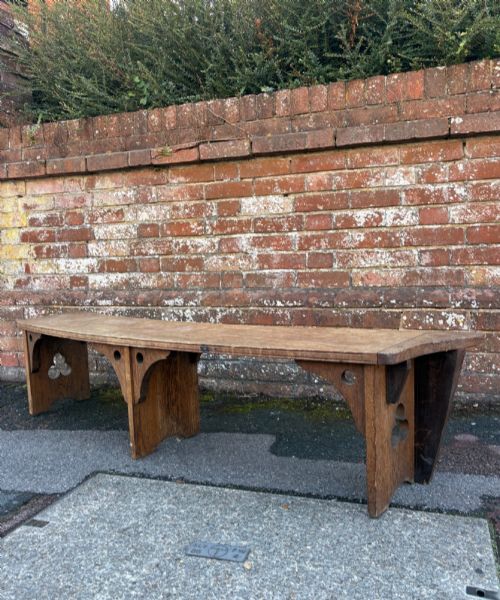
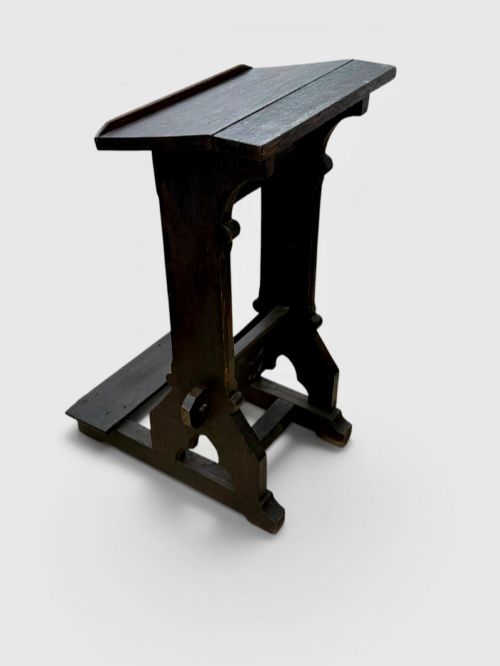
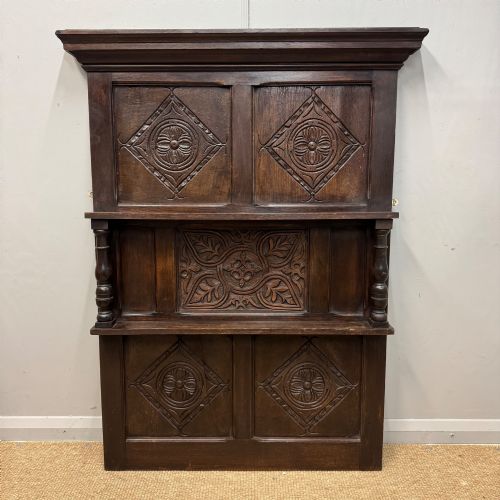
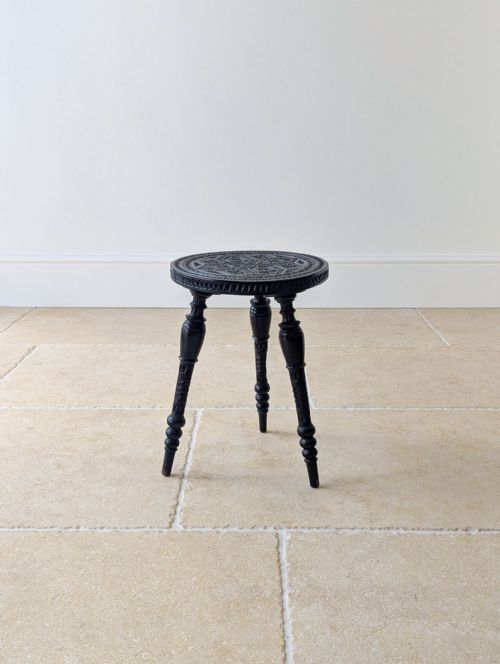
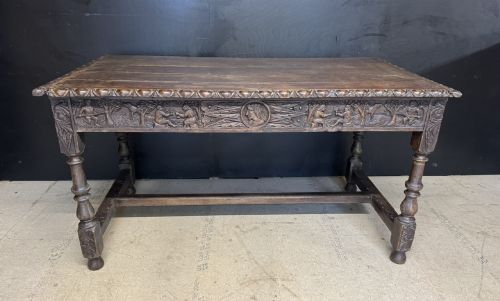
A gothic style wooden carving encompasses seating, storage chests, and architectural fragments spanning from the 16th century through the Victorian period and into the 20th century. Buyers frequently encounter armchairs, benches, and coffers rendered in heavy oak, alongside ecclesiastical furniture and statues.
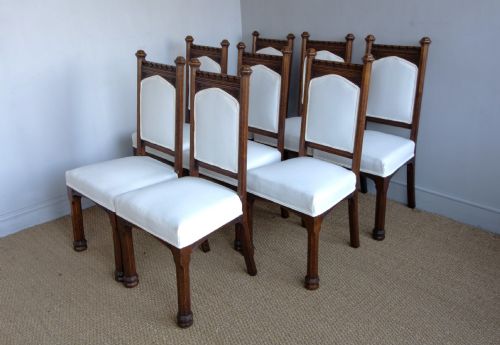
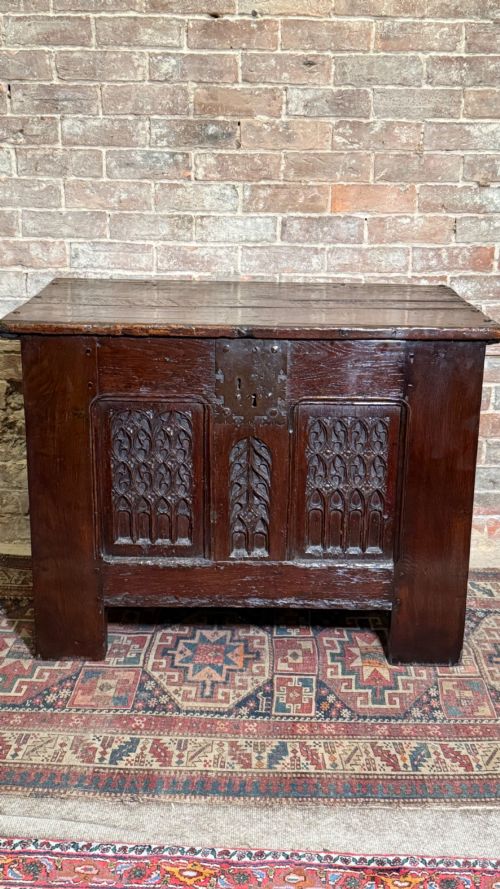
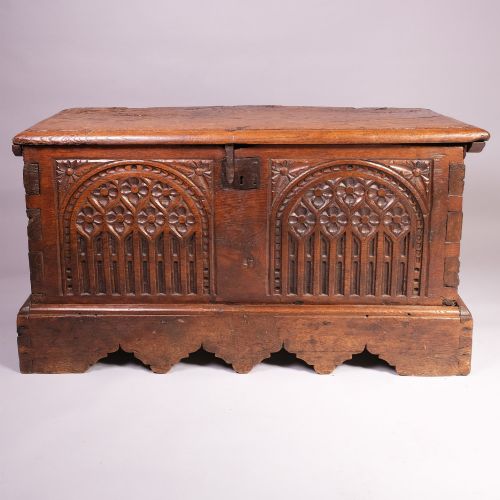
The selection ranges from early medieval and 16th century coffers to 19th century Gothic Revival dining chairs, benches, and overmantel panels. Pieces often incorporate revival styles such as Jacobean and Tudor alongside Arts and Crafts interpretations.
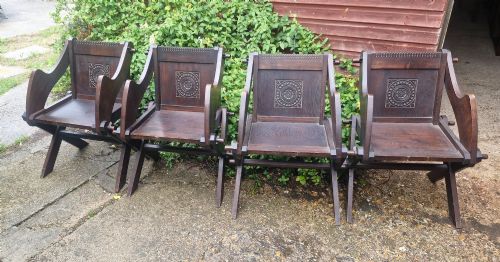
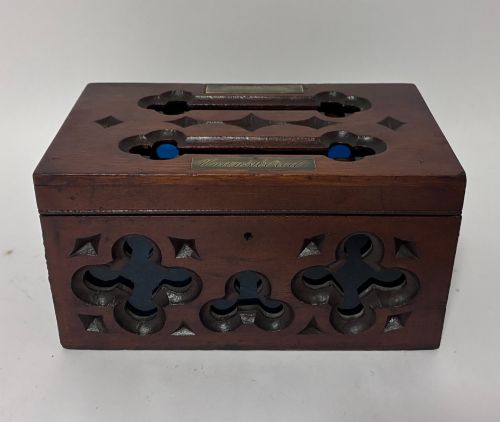
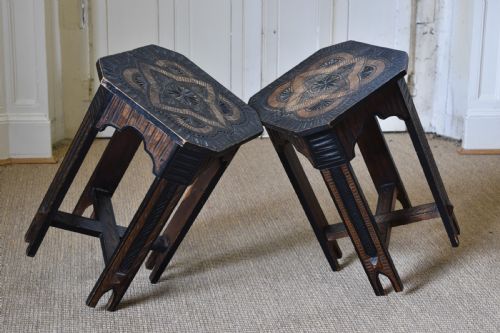
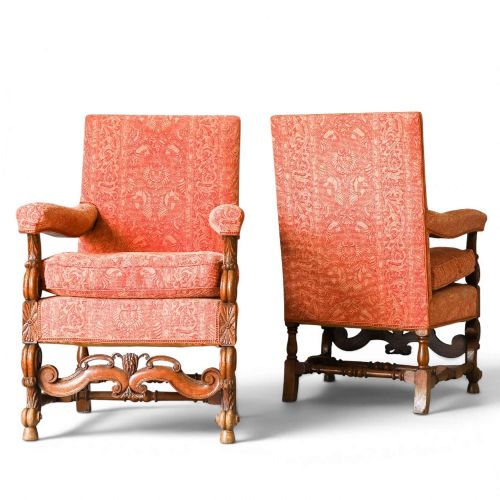
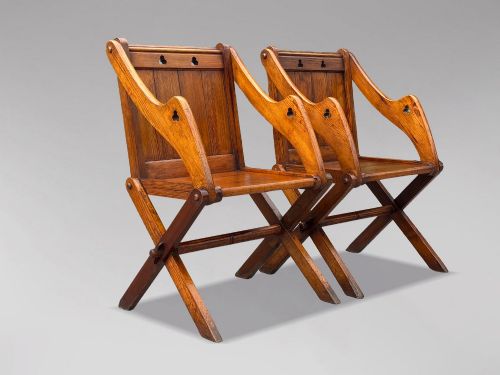
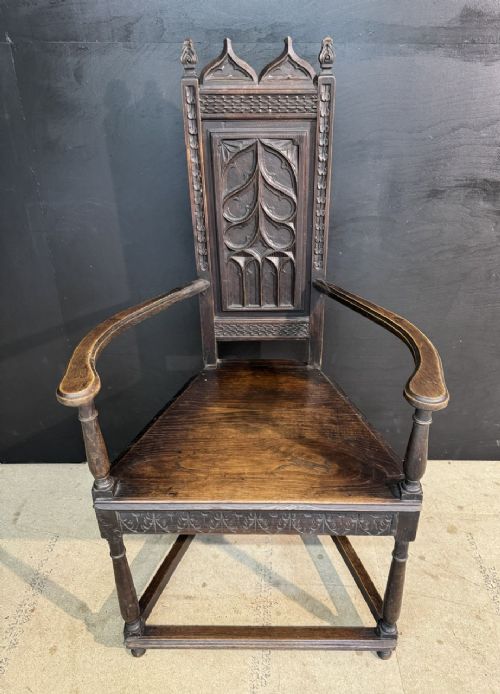
Seating forms include Glastonbury armchairs, wainscot chairs, and hall chairs equipped with carved wooden supports. Smaller functional objects such as correspondence boxes, candle boxes, and occasional tables appear alongside religious statues and devotional groups.
Materials and Technique
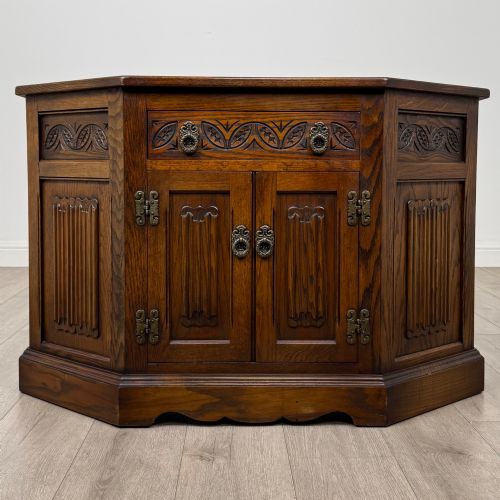
Oak dominates the construction of these items, supplemented by pitch pine, linden wood, hardwood, and elm. Master carpenters utilised traditional joinery and hand-carving techniques to shape panels, linenfold cupboards, and structural frames.
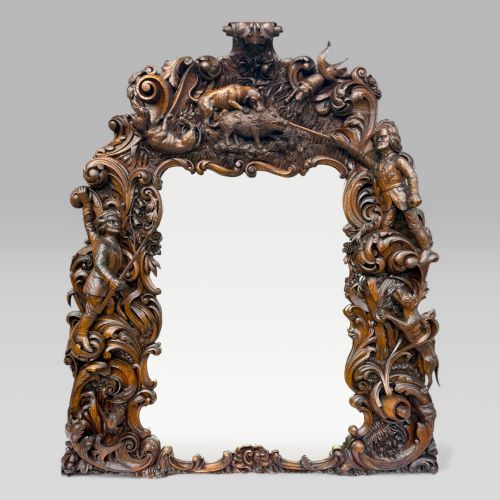
Surface decoration relies heavily on chip carving and relief work to render trefoils, tracery, and figurative motifs. Selected pieces incorporate polychrome paint, giltwood highlights, or iron and brass hardware to secure joints and lids.
Listings feature oak alongside pitch pine, linden wood, and hardwood across centuries ranging from the 16th century to the Edwardian period.
Evaluating the Work
Quality rests upon the depth, crispness, and proficiency of the hand carving across the wooden surface. Profusely carved panels and crisp architectural details distinguish master workshops from simpler vernacular production.
Material selection and structural integrity define the upper tier of the range. Dense, well-figured oak and stable historical timbers retain their joinery better than softer secondary woods, ensuring longevity in domestic settings.
Norwich Maker·King Of Bavaria
The Gothic Style Wooden Carving Glossary
- Linenfold
- A style of wood carving that imitates folded linen panels, commonly found on 16th century and revival cupboards. This motif provides a textured vertical pattern on flat wooden surfaces.
- Trefoil
- A three-lobed ornamental design resembling a clover leaf, frequently pierced through wooden chair supports and architectural tracery. It is a defining geometric hallmark of Gothic architecture.
- Coffer
- A heavy wooden chest traditionally used for storage and safekeeping of valuables. Early examples employ sturdy oak construction joined with pegs and iron hardware.
- Glastonbury chair
- A distinctive type of medieval revival armchair featuring X-framed legs and a sloped wooden backrest. These chairs were frequently produced in oak during the 19th century.
Gothic Style Wooden Carving: Frequently Asked Questions
How do I date a gothic wooden carving?
Dating relies on examining the tool marks left by the maker, the type of timber used, and the construction methods employed in the joints. Early pieces often show hand-riven timber and pegged joinery, while revival pieces from the 19th century utilise machine-sawn components.
Style provides a secondary guide, as Victorian revivals blended medieval motifs with contemporary domestic comforts. Comparing the piece against documented examples from specific centuries helps confirm its age.
Where should I place a heavy oak coffer?
Heavy oak coffers anchor entrance halls, living rooms, or large bedrooms where their substantial weight and carved panels can be fully appreciated. They serve as functional storage chests for blankets or linens while functioning as solid surfaces.
Keep wooden items away from direct heat sources and dramatic humidity shifts to prevent the historical timber from splitting. Proper placement ensures the stability of the antique joinery.
What is the difference between original and revival pieces?
Original pieces date from the medieval or Tudor eras, bearing the wear patterns and structural traits of centuries of active use. They are exceptionally scarce and constructed according to the practical needs of their original period.
Revival items were produced during the 19th and early 20th centuries by makers inspired by historical aesthetics. These later works adapt gothic forms for Victorian and Edwardian domestic interiors.
How do I care for antique carved wood?
Maintain antique carved wood by dusting surfaces regularly with a dry, soft cloth to prevent grit from settling into the deep recesses of the carving. Avoid modern silicone sprays or heavy polishes that build up over time and attract dust.
Apply a microcrystalline wax sparingly once or twice a year to nourish dry timber and protect the finish. Maintaining a stable indoor climate safeguards the wood against warping.