




Antique Religious Wood Statue
These pieces are antique religious wood statue examples, carved across centuries to bring devotional presence and historic craftsmanship directly into a room.
Antique Religious Wood Statue
An antique religious wood statue represents figures of faith, devotion and reverence, ranging from medieval saints to Continental church figures. When looking at this page, the most common pieces encountered span the sixteenth, seventeenth, and eighteenth centuries, alongside nineteenth-century works.
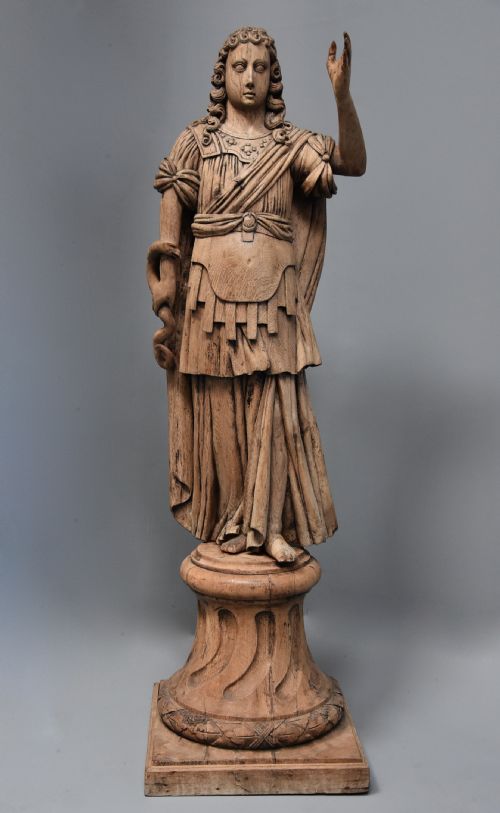
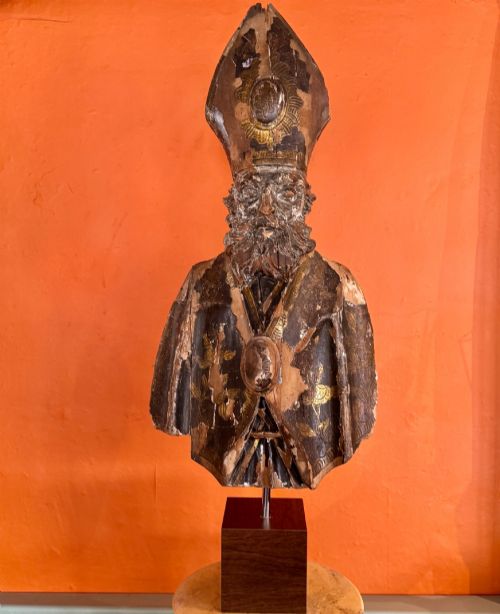
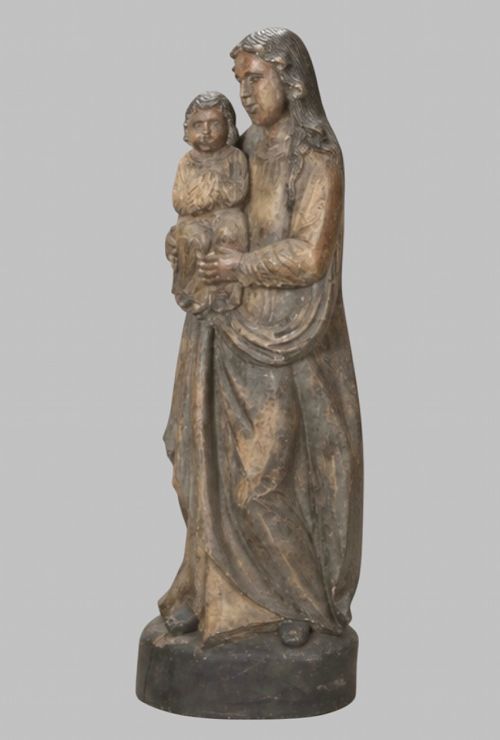
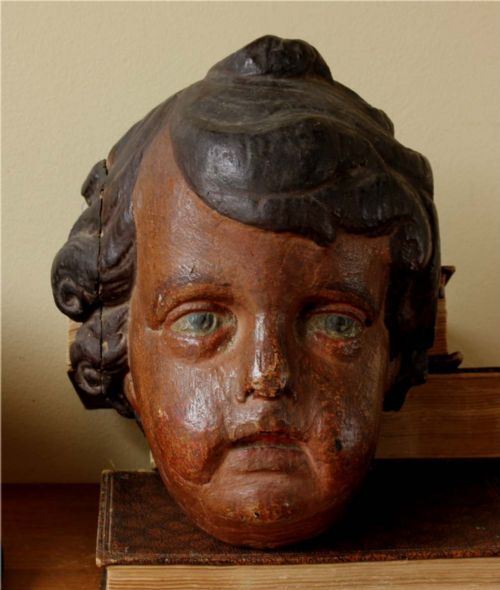
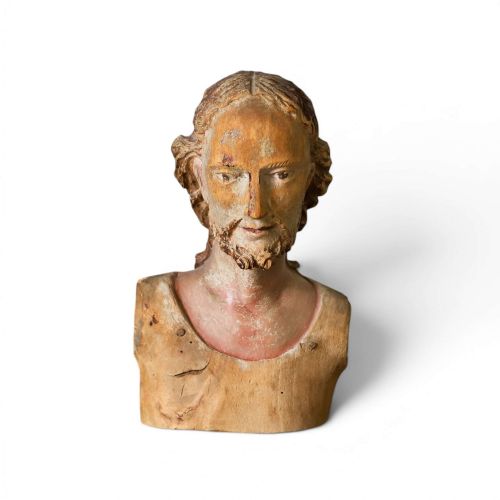
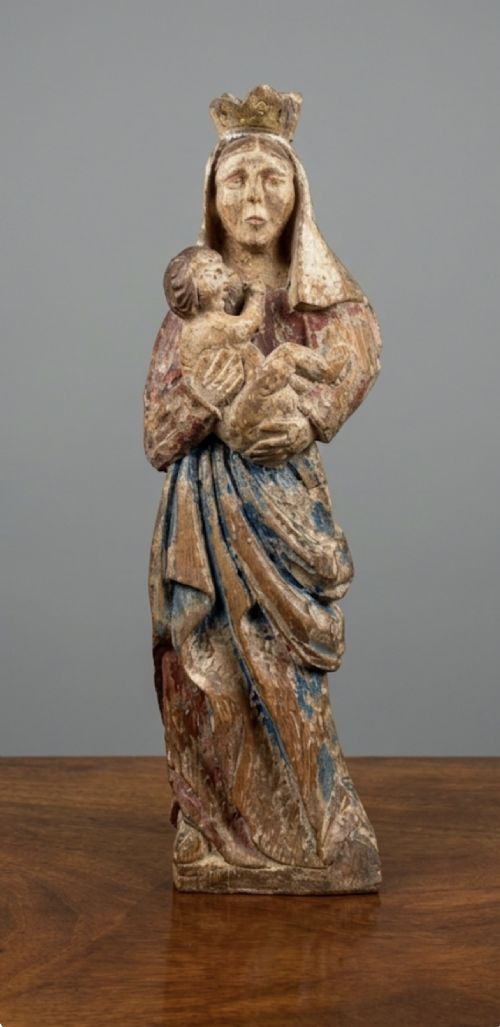
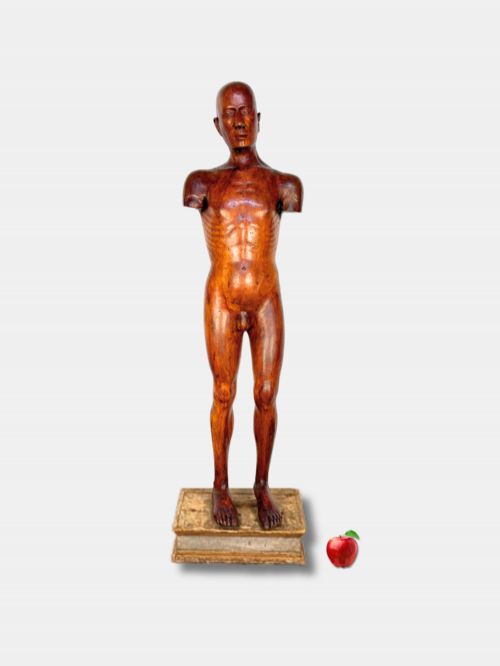
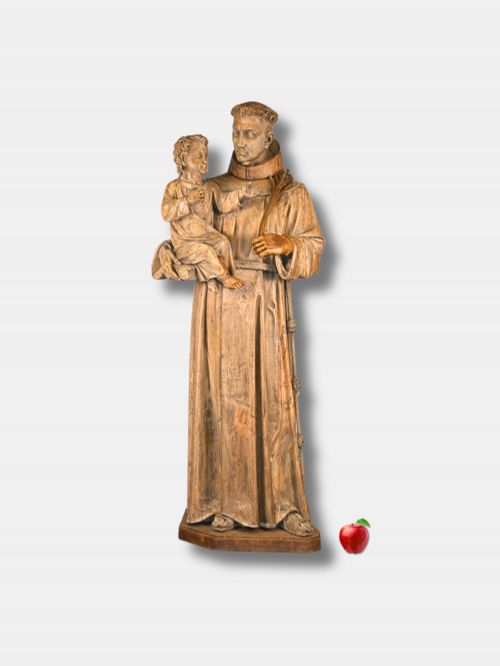
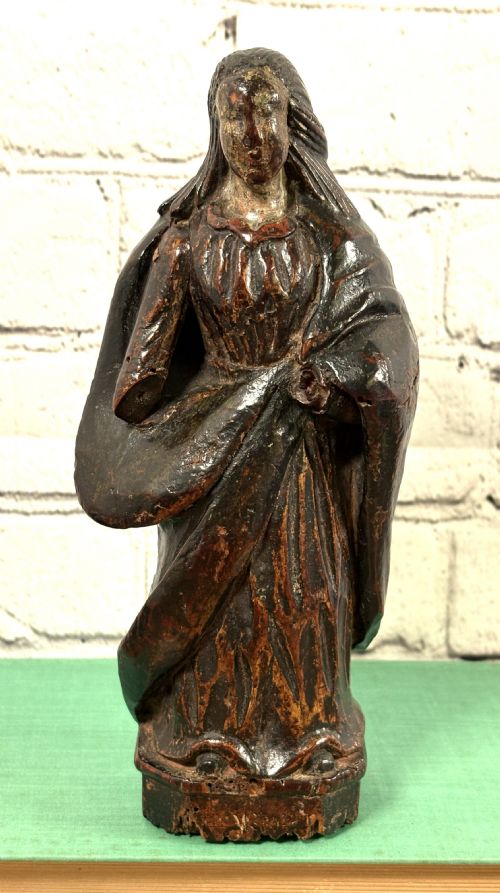
The forms vary from life-size carved oak figures and ecclesiastical busts to devotional groups of the Madonna and Christ child, cherub heads, and figures of saints. Alongside European traditions, pieces from Asian traditions such as Buddhas and deities also appear within the selection.
These sculptures often originated as central panels from altarpieces, home altars, or church furnishings before entering private collections. Collectors encounter regional expressions spanning Italian, French, Spanish, German, and Croatian workshops.
How They Were Made
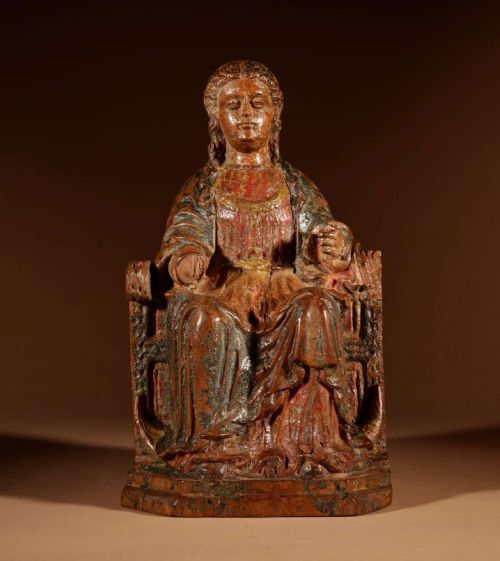
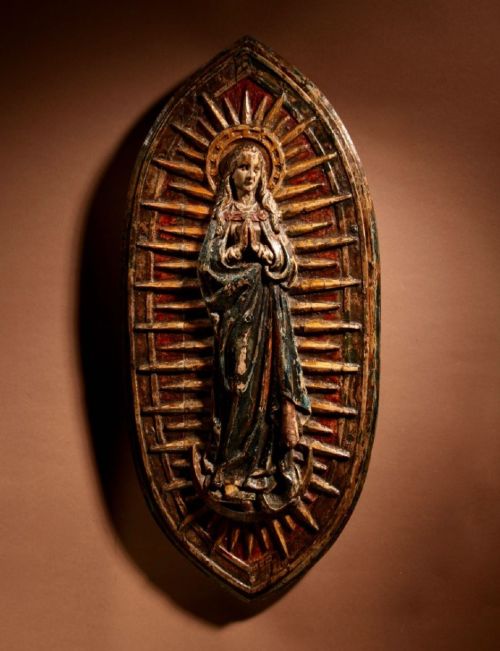
Many surfaces received layers of gesso to prepare the wood for polychrome paint or gold leaf application. The combination of pigment and gilding added vibrancy and divine radiance to figures intended for dim ecclesiastical interiors.
St. Jerome appears alongside his faithful companion, a lion.
What Varies in Quality
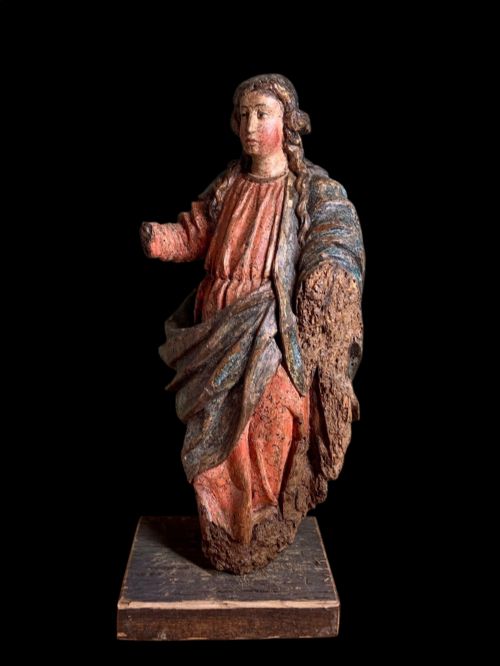
The preservation of original surface treatments plays a major role in a piece's integrity, particularly the survival of early polychrome paint and gold leaf beneath later patination. Works retaining their original gesso and pigment layers offer a more complete historic character than stripped or heavily repainted surfaces.
The Antique Religious Wood Statue Glossary
- Polychrome
- Painted in several colours. This surface treatment was applied over gesso to give lifelike hues to robes, flesh, and hair.
- Gesso
- A plaster mixture applied to wood as a base for paint or gold leaf. It creates a smooth, receptive ground for fine decoration.
- Giltwood
- Wood that has been decorated with gold leaf. This technique was used to highlight sacred figures and architectural elements.
- Altarpiece
- A structure depicting religious subjects set above an altar. Central panels often featured carved standing saints or narrative groups.
- Capipote
- A Spanish devotional figure with a carved wooden head and hands attached to a framework dressed in real fabric garments. These statues were often used in processions.
Antique Religious Wood Statue: Frequently Asked Questions
How should I care for an antique wooden religious figure?
Keep the sculpture away from direct sunlight, heating vents, and rapid humidity fluctuations to prevent the wood from splitting and the gesso from flaking.
Dust the surface gently with a soft, dry brush and avoid applying liquid cleaners or oils to historic polychrome or gilt surfaces.
Were these statues originally kept in homes or churches?
Many of these pieces originated in churches, abbeys, and chapels as altarpiece panels, niche figures, or processional sculptures. Others were created for private devotion within domestic home altars or personal prayer spaces.
Over the centuries, many migrated from sacred settings into private collections and secular interiors.
How can I tell the period of a carved wooden statue?
Dating relies on stylistic markers such as the cut of the drapery, facial proportions, and the specific iconography of the saint or subject. Gothic and Renaissance pieces display different carving rhythms compared to Baroque or nineteenth-century revival works.
The tool marks left in the timber and the composition of the underlying gesso layers also offer clues to the period.
What is the difference between polychrome and giltwood statues?
Polychrome statues are painted with pigmented colours to depict realistic skin tones, hair, and coloured garments. Giltwood statues are covered in thin sheets of gold leaf to create a luminous, divine radiance.
Many figures combine both techniques, using gold leaf for halos or robes and polychrome for the face and hands.