
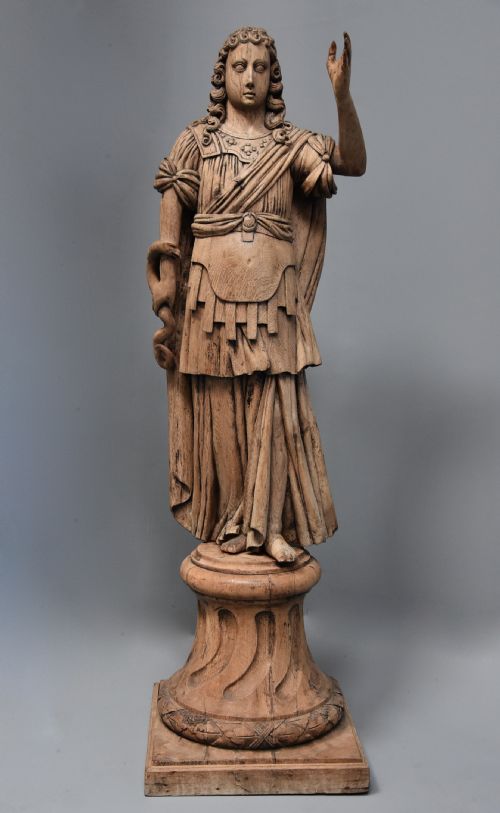
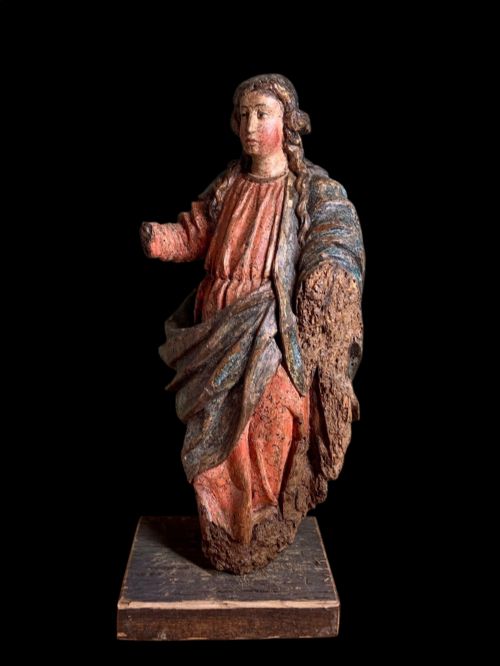
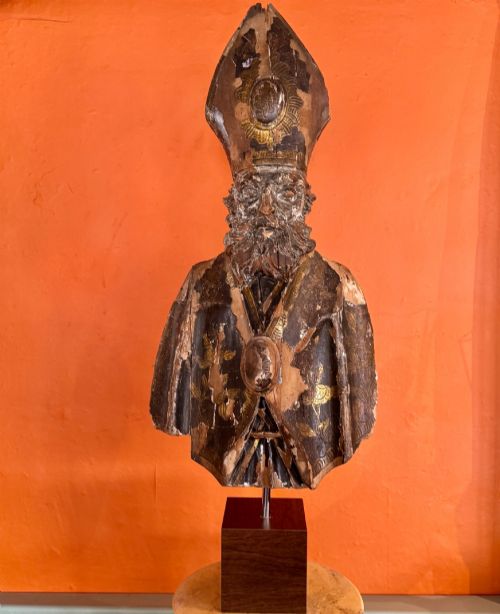
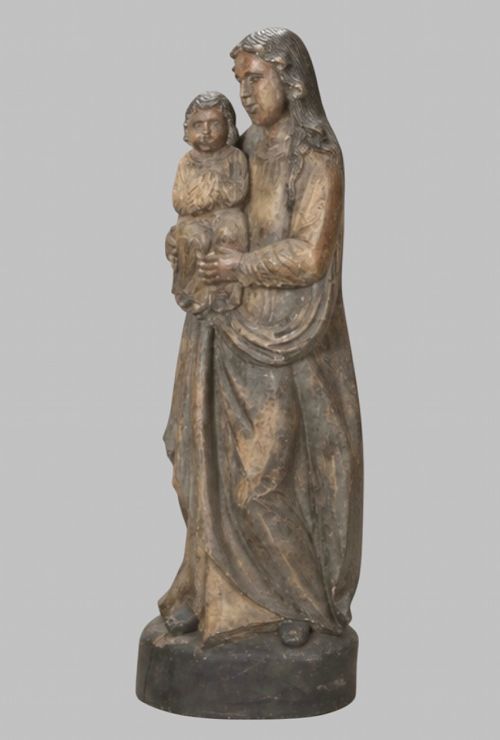


Carved Wood Religious Statue
When you search for a carved wood religious statue, you are looking at centuries of devotion captured in timber, gesso, and gold leaf.
Carved Wood Religious Statue
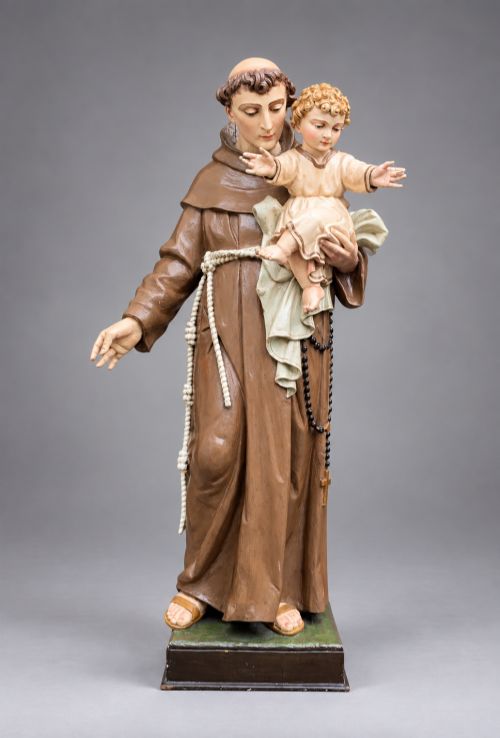
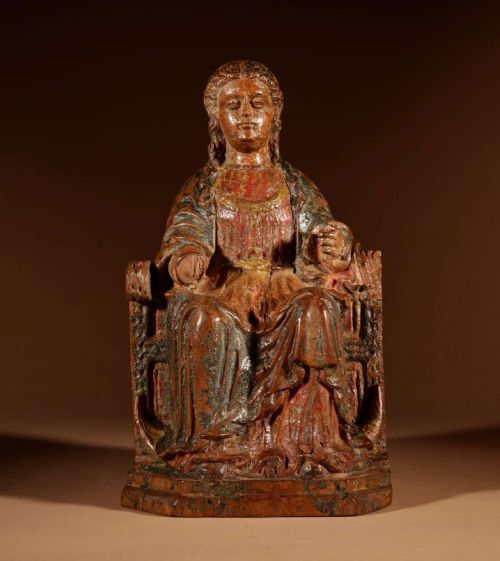
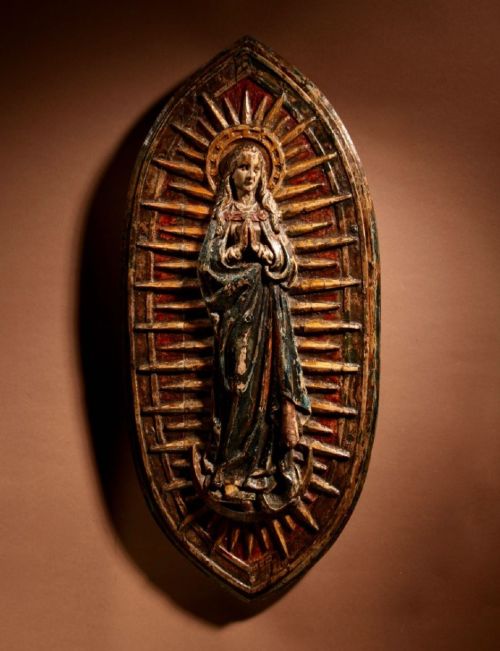
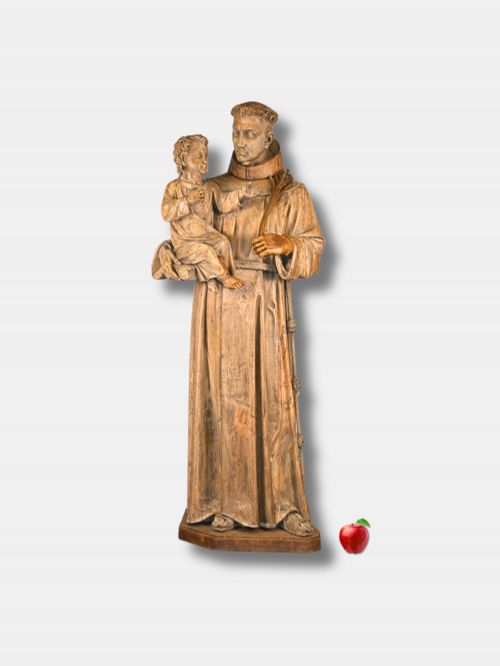
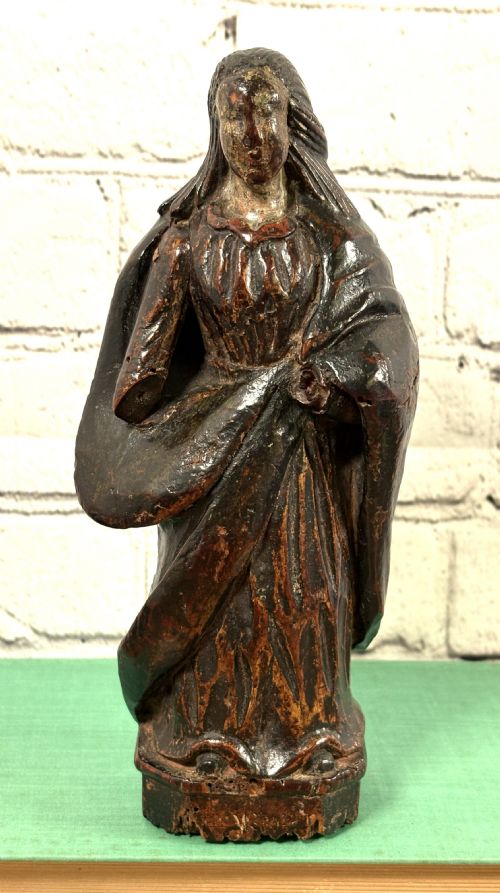
A carved wood religious statue brings centuries of spiritual history into a domestic setting, ranging from small devotional figures for home altars to life-sized church sculptures. When you search for a carved wood religious statue, you encounter works spanning the medieval period through the nineteenth century, including regional European saints, Asian deities, and sacred figures.
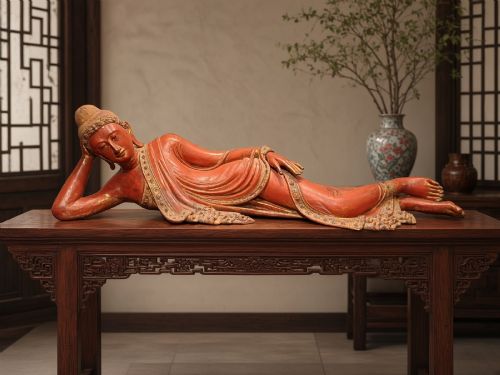
Continental workshops, particularly in Italy, France, Spain, and Germany, produced the majority of these pieces within Gothic, Renaissance, and Baroque styles. Alongside these European examples, Asian and Burmese Buddha figures and Chinese Guanyin statues appear frequently.
How they were made
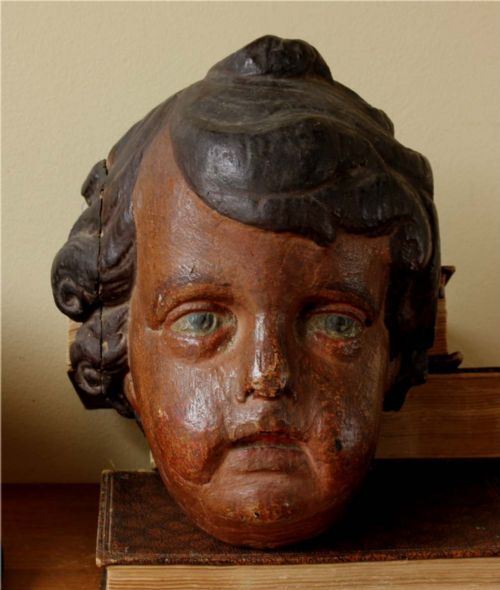
Carvers shaped these figures primarily from solid timbers like oak, walnut, lime, and olive wood using chisels and gouges. Artisans selected dense woods for durability in large church figures and softer timbers like limewood for intricate undercut details on saints and putti.
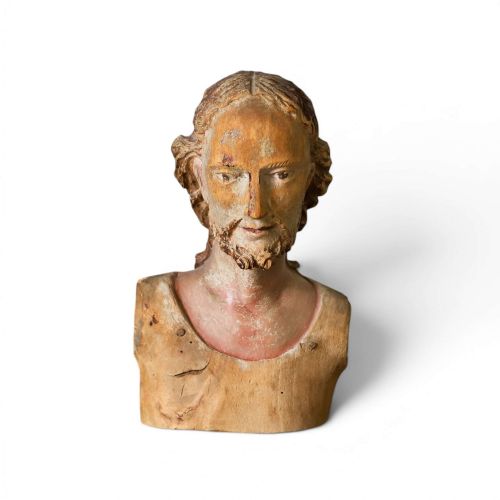
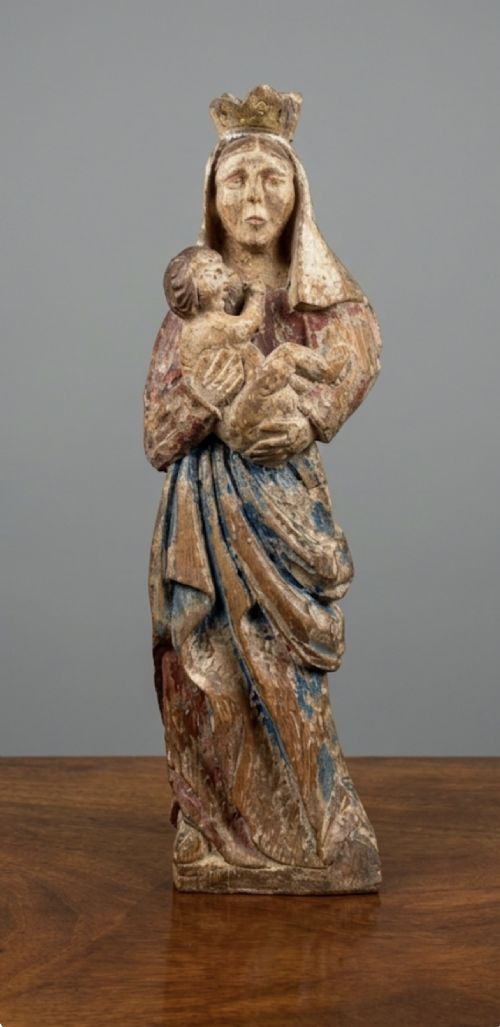
Many surfaces received a preparation layer of gesso before painters applied polychrome pigments, oil paints, or gold leaf. Guild craftsmen built up these decorative layers to give robes and flesh tones a lifelike appearance that endured centuries of incense and candle smoke.
Listings span from pre-sixteenth century medieval church figures to twentieth-century folk art, utilising oak, walnut, limewood, and olive wood.
What varies in quality
Quality rests in the anatomical precision of the carving, particularly in the rendering of hands, facial expressions, and the natural fall of drapery folds. Master carvers achieved depth and movement in heavy timber, whereas lesser works remain stiff and blockish.
The survival of original polychrome paint and gold leaf significantly elevates a piece, as many statues suffered from overpainting or stripping during later restorations. Finer examples retain their original gesso ground and pigment chemistry beneath centuries of aged patina.
The Carved Wood Religious Statue Glossary
- Polychrome
- Painted in several colours. This finish was commonly applied over a gesso ground on wooden sculptures to render garments and flesh realistically.
- Gesso
- A plaster mixture used as a smooth base for painting or gilding on wood. It provides a stable surface for adhering gold leaf and fine pigments.
- Giltwood
- Wood that has been decorated with gold leaf or thin gold powder. This technique highlighted the divine status of figures in altarpieces and church interiors.
- Putti
- Representations of small winged infants or cherubs. They appear frequently in Baroque ecclesiastical art as attendants to saints or holy figures.
- Capipote
- A Spanish devotional figure with a carved head and hands attached to a framework dressed in real fabric vestments. These statues played a central role in religious processions.
Carved Wood Religious Statue: Frequently Asked Questions
How do I care for a wooden statue?
Keep wooden religious statues away from direct sunlight, radiators, and rapid humidity changes to prevent the timber from splitting or warping.
Dust the surface gently with a dry, soft-bristled brush, avoiding water or modern chemical polishes that can damage fragile gesso and polychrome layers.
Were these statues originally painted?
Many historical wooden statues received layers of gesso, paint, and gold leaf to create lifelike figures for worship and contemplation.
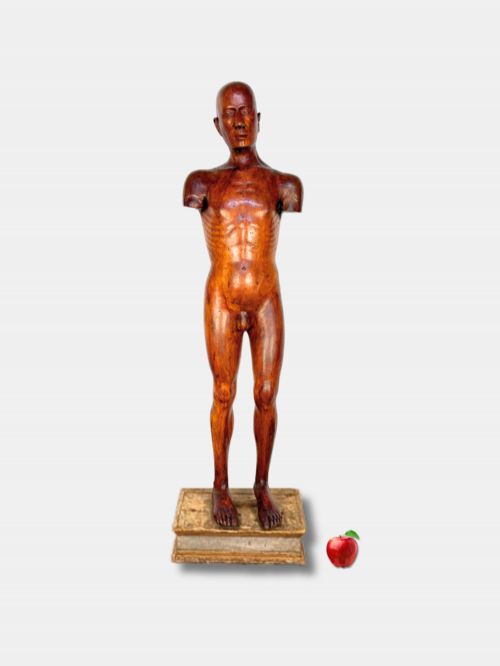
Over the centuries, some pieces lost their paint through cleaning or stripping, leaving only the bare oak, walnut, or limewood grain visible today.
How do I identify the period of a carving?
Stylistic clues such as the heavy drapery folds of Gothic art or the theatrical movement of Baroque sculpture offer the clearest dating evidence.
Tool marks, timber choice, and the composition of underlying gesso layers also help specialists narrow down the century of creation.
Where were these figures displayed originally?
Most of these statues stood within churches, mounted on altarpieces, or placed in niches as objects of private veneration.
Smaller domestic pieces and home altars served families for daily prayer and devotion within domestic residential spaces.