


Antique Wooden Virgin Mary
An antique wooden virgin mary brings centuries of devotion, carved from oak, walnut, or applewood and often finished with polychrome paint.
Antique Wooden Virgin Mary
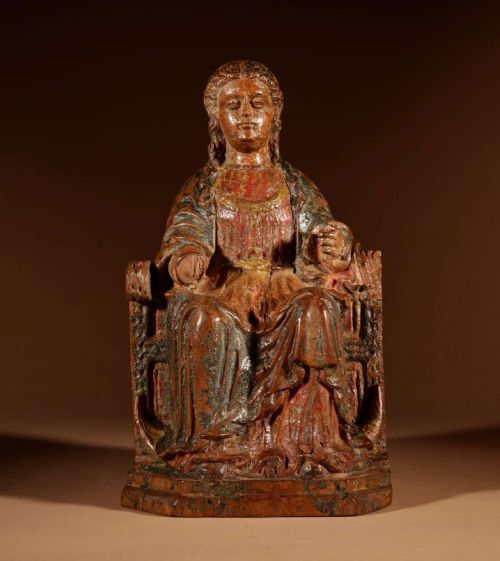
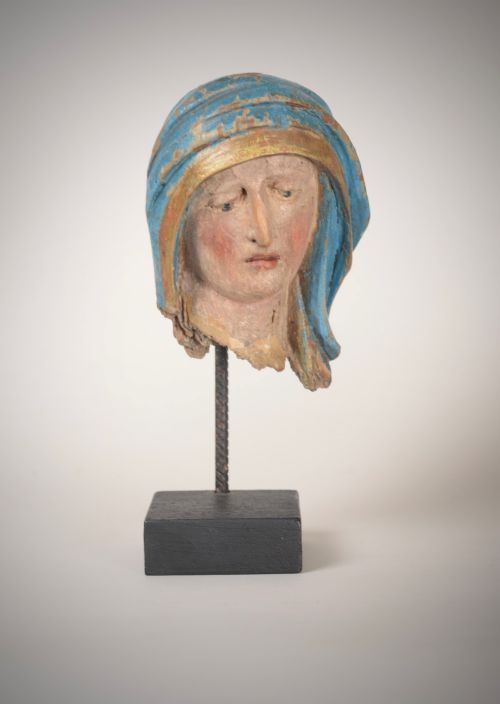
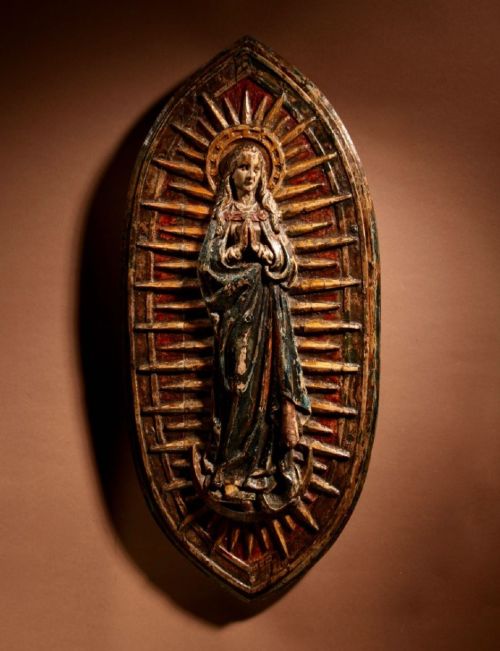
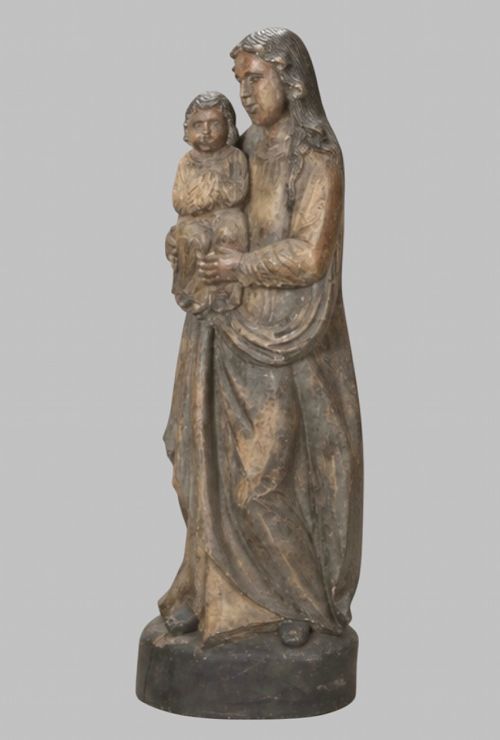
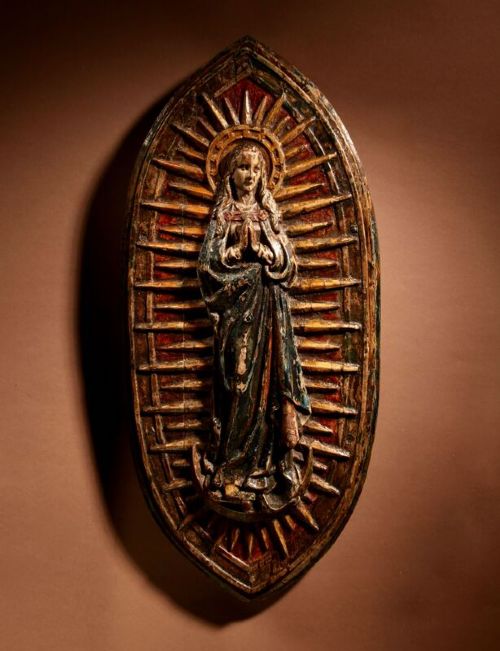
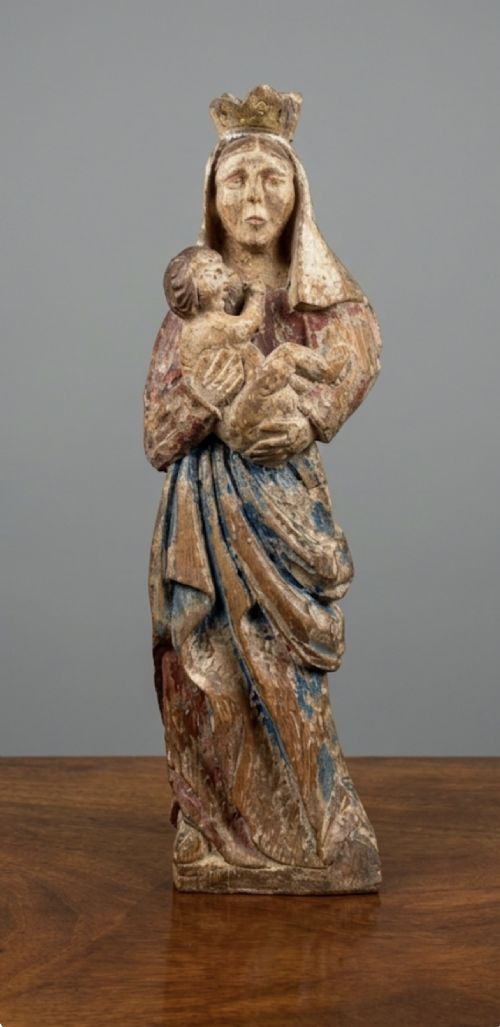
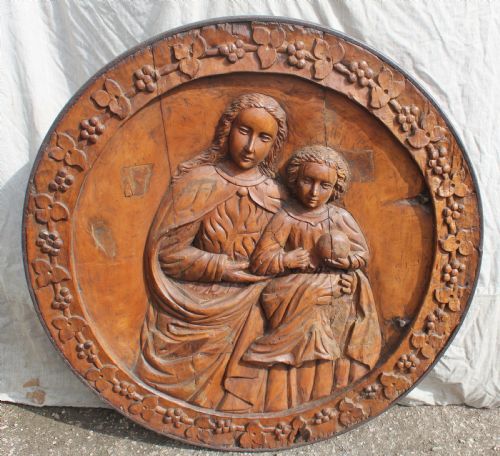
An antique wooden virgin mary spans centuries of religious devotion, ranging from medieval altar fragments to later devotional figures. These sculptures capture Mary either alone, as a grieving mother, or holding the Christ Child upon a throne or standing on the half moon.
The pieces appearing on this page stretch from pre-sixteenth century Gothic works up to nineteen-hundreds interpretations. Buyers encounter wall plaques, freestanding statues, and architectural panels originating from various European traditions including Spanish and Russian Orthodox styles.
Oak and walnut dominate the structural forms, whilst other pieces utilise applewood or general hardwoods. Forms vary from intimate wall sculptures to large giltwood figures that once commanded the central focus of a chapel or domestic shrine.
Materials and construction
Carpenters and carvers shaped these figures primarily from solid timbers like oak, walnut, and applewood using gouges and chisels. The grain of the wood dictates the depth of the drapery and the expression captured in the faces of the figures.
Many sculptures received a preparation layer of gesso before painters applied polychrome pigments or gold leaf to enhance the devotional imagery. Over centuries, these surface layers have naturally aged, revealing the underlying wood and earlier preparatory treatments beneath the remaining paint.
Listings feature works spanning from the pre-sixteenth century up to nineteen-hundred, constructed from oak, walnut, and applewood.
Assessing the craftsmanship
The survival of original surface treatments such as polychrome paint and gilding alters the character and desirability of a piece. Traces of ancient gesso and pigment provide crucial evidence of the original workshop palette, distinguishing untouched historical surfaces from later restorations.
The Antique Wooden Virgin Mary Glossary
- Polychrome
- Painted in several colours. This term describes wooden sculptures finished with decorative pigments that often survive in fragments today.
- Gesso
- A plaster mixture used as a smooth base for paint and gold leaf. Artisans applied this substance to wooden carvings before adding surface colour.
- Pieta
- A subject depicting the Virgin Mary supporting the dead body of Christ. Medieval and later carvers frequently rendered this scene in solid oak.
- Altarpiece
- A structure depicting religious subjects placed behind an altar. Central panels often feature carved figures of the Virgin Mary standing on the half moon.
- Giltwood
- Wood decorated with gold leaf or thin gold paint. Large figures from the nineteenth century frequently employ this technique to create a luminous appearance.
Antique Wooden Virgin Mary: Frequently Asked Questions
How old are these wooden figures?
The pieces span from pre-sixteenth century medieval works up to twentieth-century devotional carvings. Each era brought distinct stylistic approaches to the depiction of the Madonna.
Carbon dating and stylistic analysis of the wood, tool marks, and surface preparation help establish the approximate period of manufacture.
Where did these sculptures originate?
Originating across Europe, these works include examples from Germany, the Low Countries, Spain, and Italy. Regional carving traditions strongly influenced the posture and dress of the figures.
Local timber availability, such as oak in northern regions and walnut further south, also dictates the geographic roots of each sculpture.
How were they displayed originally?
Many figures served as central panels in altarpieces, focal points in wall plaques, or freestanding statues in churches and domestic shrines. Their scale was designed to command attention within sacred spaces.
Smaller carvings were utilised for private, personal devotion within the home rather than large public sanctuaries.
Why do some figures have missing paint?
Centuries of handling, environmental changes, and cleaning naturally wear away delicate gesso and polychrome layers. Exposed wood often emerges where the original pigments have flaked off over time.
Collectors often value these unpainted or partially painted surfaces for the honest record they provide of the object's age and history.