


Polychrome Wood Church Sculpture
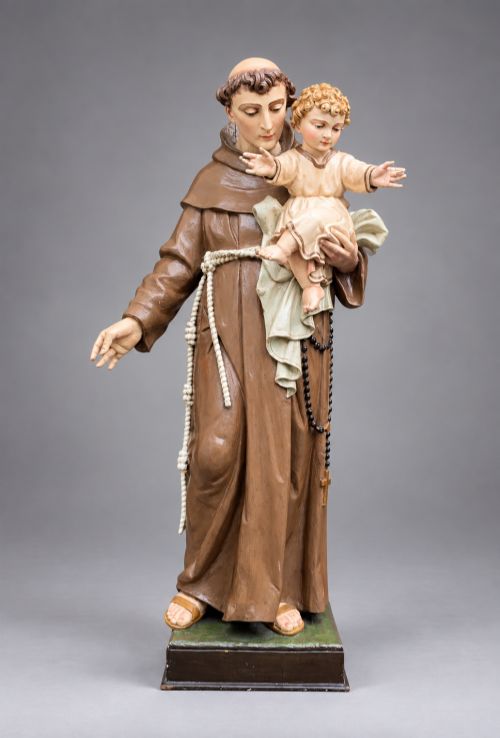
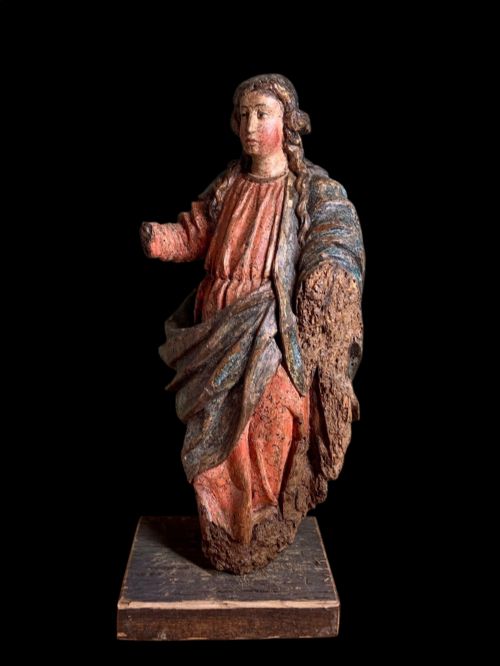
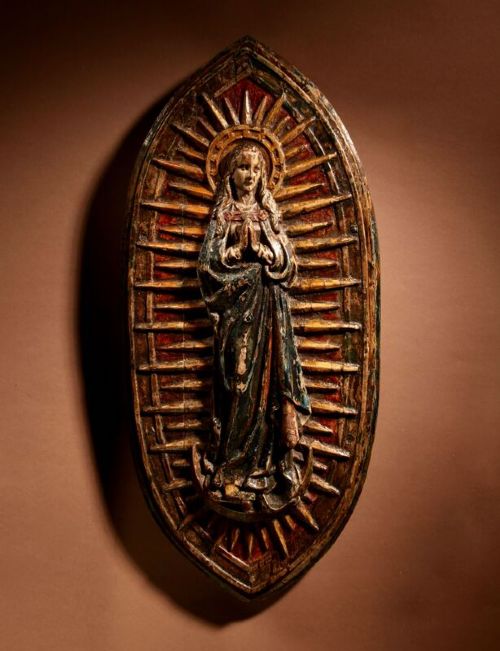
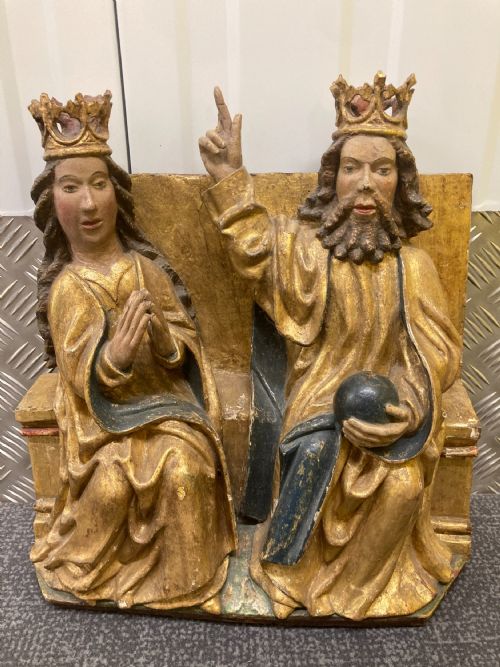
Polychrome wood church sculpture brings sacred devotion into focus, offering devotional figures painted and gilded centuries ago.
Polychrome Wood Church Sculpture
Polychrome wood church sculpture comprises religious figures, panels, and altarpiece remnants shaped for houses of worship. These works span periods from pre-sixteenth century medieval pieces to nineteenth-century interpretations.
Buyers encounter subjects including saints, angels, the Madonna and Child, and depictions of Christ. Forms range from freestanding statues and processional figures to wall-mounted reliefs.
Origins stretch across European traditions, featuring Italian, Spanish, and German craftsmanship. Pieces often manifest Gothic, Renaissance, and Baroque stylistic influences.
How they were made
Artisans carved primary timber substrates, predominantly utilising oak and various woods, to form the structural bodies of the sculptures. Metal elements occasionally reinforced or accessorised these religious figures.
Surfaces received layers of gesso to prepare the wood for subsequent decoration. Polychrome paint and gold leaf were then applied to finish the garments and flesh tones.
Angels and saints stand ready on the half moon, looking down from centuries past with layers of historic paint.
What varies in quality
The finesse of the initial wood carving distinguishes the sculptural depth and anatomical proportion of each figure. Master carvers achieved expressive faces and dynamic drapery folds that lesser hands missed.
The preservation and quality of the original polychrome paint and gold leaf dictate visual impact. Surface layers that retain their early pigments carry greater historical integrity than heavily restored or repainted examples.
The Polychrome Wood Church Sculpture Glossary
- Polychrome
- Painted in several colours, this term describes the multi-coloured surface decoration applied to wood sculptures.
- Gesso
- A plaster mixture applied as a smooth base coat on wood before the application of paint or gold leaf.
- Gold Leaf
- Hammered gold beaten into extremely thin sheets, utilised for gilding halos, robes, and architectural details.
- Altarpiece
- A structural artwork placed behind or above an altar, often comprising carved panels and figures.
- Relief
- Sculptural work where figures project from a flat background surface rather than standing entirely in the round.
Polychrome Wood Church Sculpture: Frequently Asked Questions
How old are these church sculptures?
The pieces span multiple centuries, with examples originating from the pre-sixteenth century medieval period up to the nineteenth century.
Specific dates depend on the individual item, reflecting shifts in craftsmanship from Gothic to Baroque eras.
What wood was used for them?
Makers frequently utilised oak for structural durability, alongside other regional timbers suitable for detailed carving.
Purchasers will find that the underlying wood provided a stable foundation for gesso and paint layers.
Where did these sculptures originate?
The geographic origins trace across European workshops, with Italian, Spanish, and German pieces appearing frequently.
Each region imparted distinct stylistic traits associated with local religious art traditions.
How should I display them?
These sculptures suit placement in controlled indoor environments away from direct sunlight and excessive humidity.
Stable atmospheric conditions help protect the delicate balance of historic wood, gesso, and polychrome paint.