
Dark Oak Ecclesiastical Carving
Dark oak ecclesiastical carving brings ancient chapel and cathedral furniture into domestic interiors through rich timber panels, figures and seating.
Dark Oak Ecclesiastical Carving
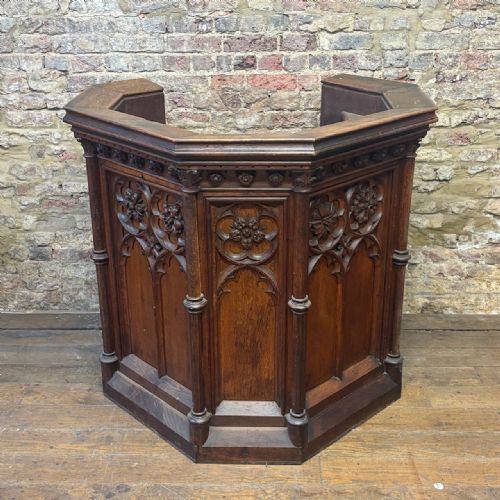
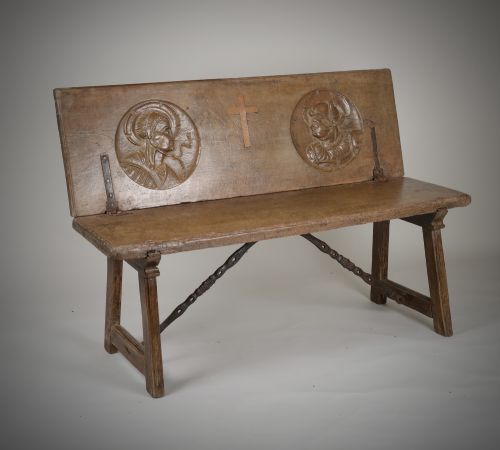
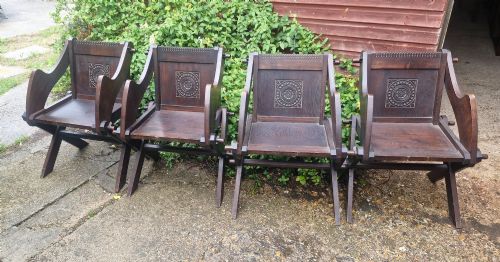
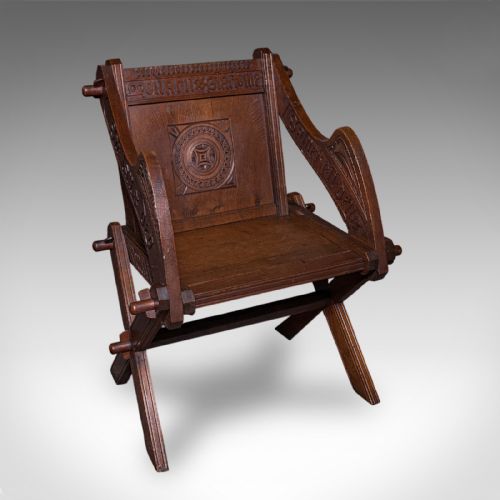
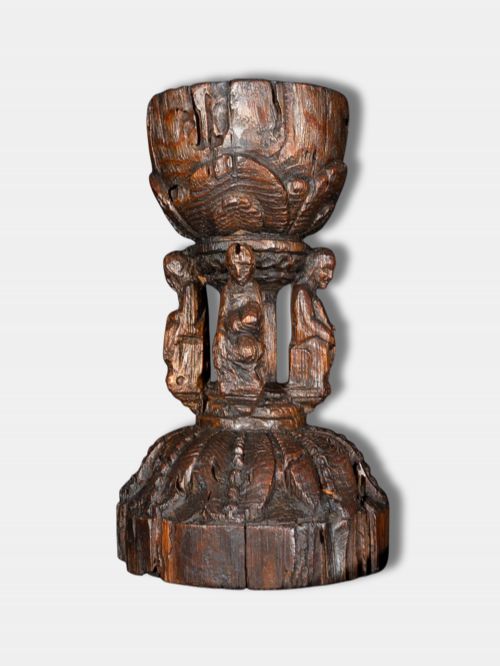
Dark oak ecclesiastical carving encompasses a wide variety of church furnishings and architectural fragments originating from periods spanning the medieval era to the Victorian revival. Buyers searching this phrase encounter items ranging from small devotional panels and statues to large furniture pieces like armchairs, pews, lecterns and coffers.
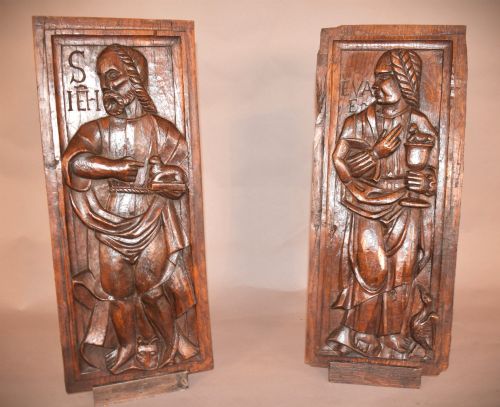
The material is predominantly solid oak, shaped into figures of saints, architectural reliefs and seating bearing heavy Gothic or Renaissance influence. Pieces often display deep patination acquired over centuries of handling within religious settings.
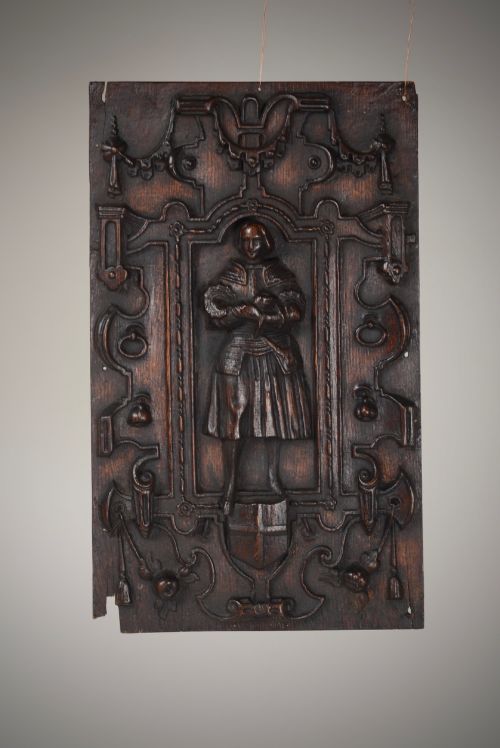
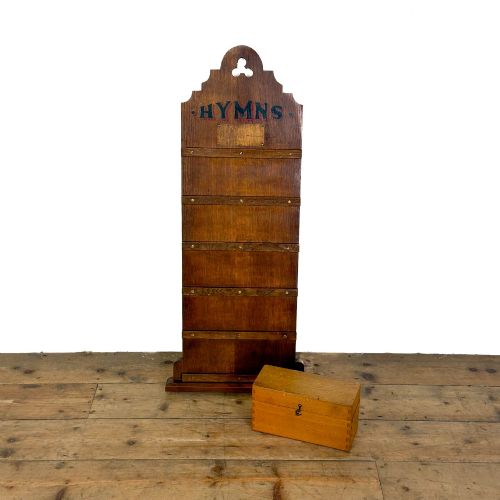
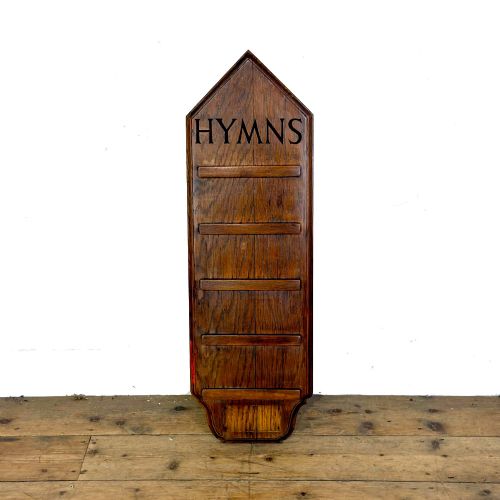
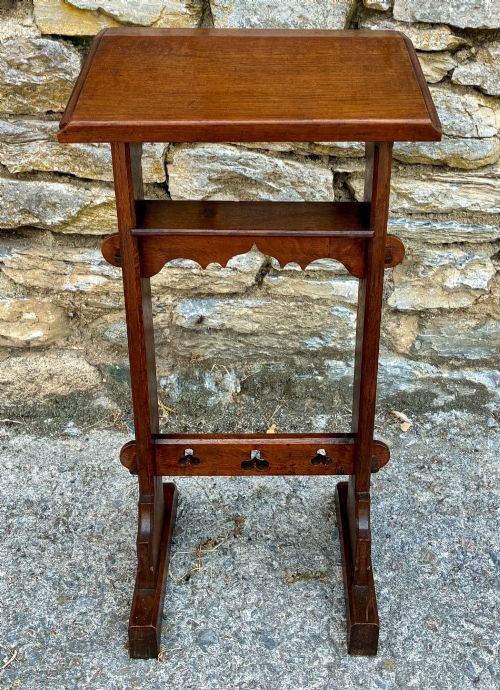
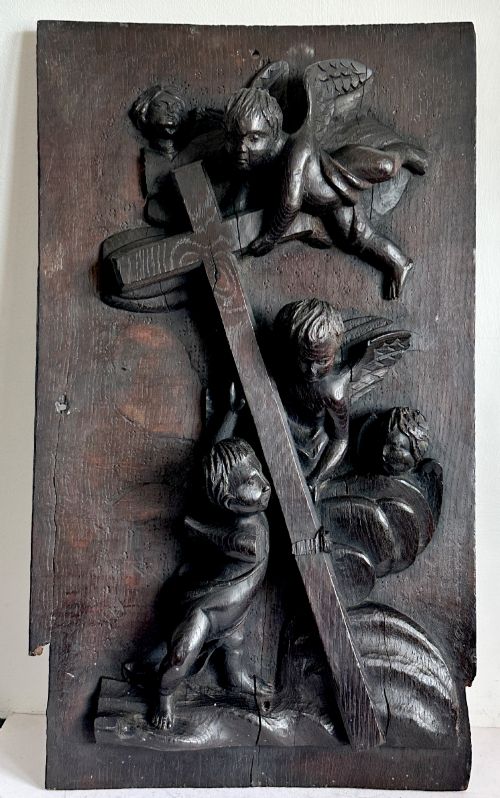
Armchairs, prayer desks and lecterns form a substantial portion of the available objects, alongside wall panels depicting historical or religious subjects like Joan of Arc and the grief of Mary.
Materials and technique
Makers utilised slow-grown British and European oak, chosen for its strength and capacity to hold crisp, intricate details under chisel and gouge work. Carpenters and woodcarvers employed traditional mortise and tenon joinery alongside tongue and groove construction to build structural forms such as coffers, benches and cupboards.
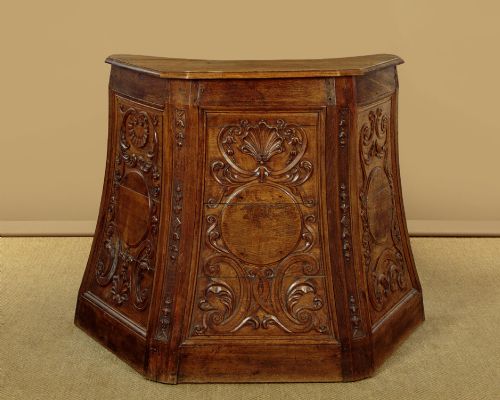
Surface decoration relies heavily on hand-carving, utilising shallow relief on panels and deep undercut carving on figurative sculptures and architectural fragments. Finished surfaces typically received natural wax or oil treatments, allowing the dark tannin-rich grain to age over centuries.
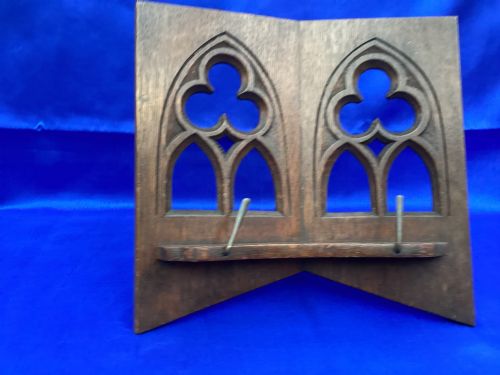
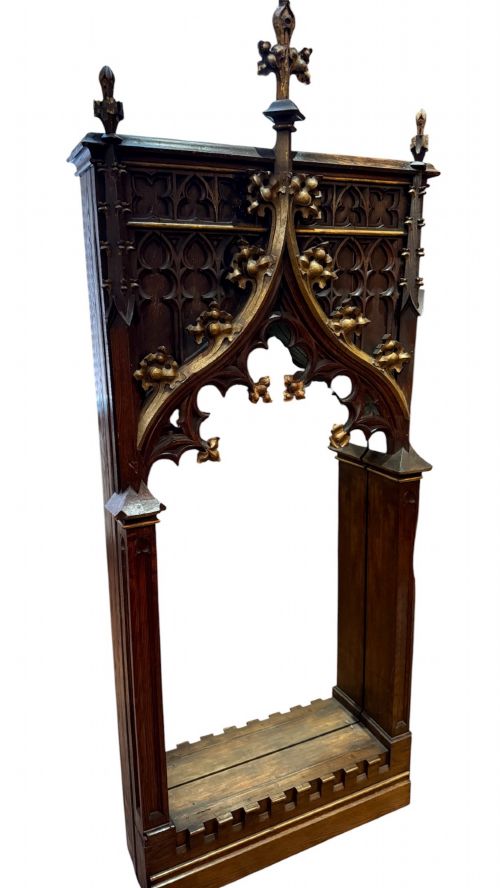
Listings span from pre-sixteenth century fragments up to early twentieth-century Gothic Revival lecterns, executed mainly in carved oak.
Assessing quality
Originality of surface and timber integrity dictate long-term desirability, as pieces retaining their primary structural joinery and untouched patinated finishes hold greater historical value than heavily restored examples.
The Dark Oak Ecclesiastical Carving Glossary
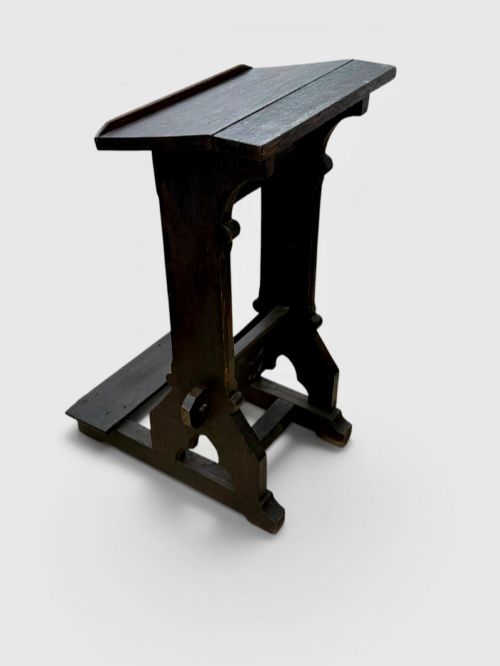
- Prie-dieu
- A small desk or kneeling chair designed specifically for private prayer. It typically incorporates a sloped shelf for devotional books and a padded lower rail for the knees.
- Coffer
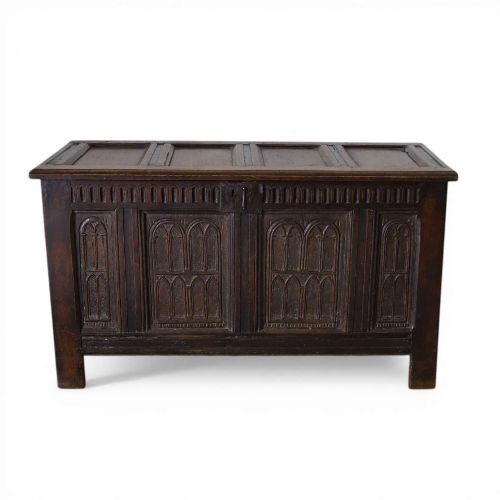
- A heavy wooden chest traditionally used for storing vestments, documents or church valuables. These storage boxes often feature robust iron hardware and front panels decorated with carved tracery.
- Gothic Revival
- An architectural and decorative style popular during the nineteenth century that revived medieval forms such as pointed arches, tracery and quatrefoils. It heavily influenced Victorian church furniture design.
- Architectural fragment
- A surviving portion of a larger building or altarpiece, removed during restoration or demolition. These pieces retain the original medieval or Renaissance hand-carving typical of stone and wood church interiors.
Dark Oak Ecclesiastical Carving: Frequently Asked Questions
What is a prie-dieu?
A prie-dieu is a dedicated kneeling desk intended for private prayer and devotion within domestic or ecclesiastical settings.
These pieces usually feature an upper shelf for holding a Bible and a lower padded step for kneeling.
How do I care for antique oak?
Antique oak requires minimal maintenance, relying mainly on occasional dusting with a soft dry cloth to protect the surface.
Avoid placing wooden furniture near direct heat sources or in fluctuating humidity to prevent timber splitting.
What is a church coffer?
A church coffer is a heavy wooden storage chest used historically for holding vestments, plate and parish documents.
Carpenters built these sturdy boxes from thick oak planks, frequently reinforcing them with iron bands for security.
How are Gothic panels dated?
Dating relies on examining tool marks, timber shrinkage, construction methods and the specific evolution of Gothic architectural motifs.
Early medieval and Renaissance pieces display hand-riven boards and distinct chisel signatures absent in later revival work.