


Sacred Art Wood Sculpture
These sacred art wood sculpture pieces embody centuries of devotion, bringing carved figures of saints and holy personages directly from altars into your collection.
Sacred Art Wood Sculpture
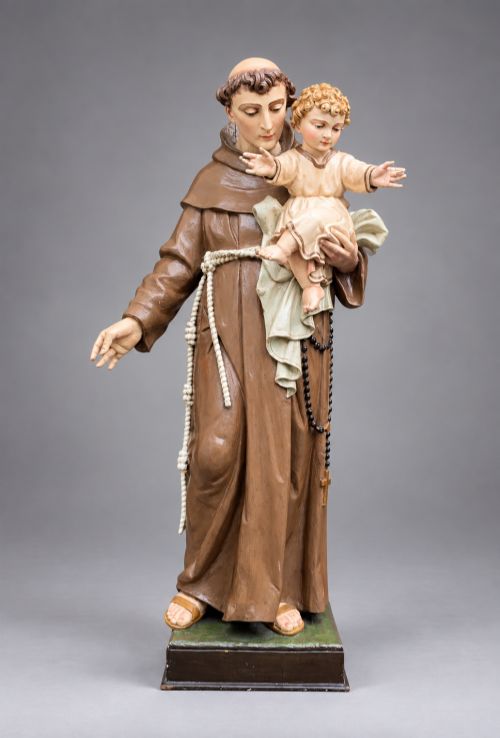
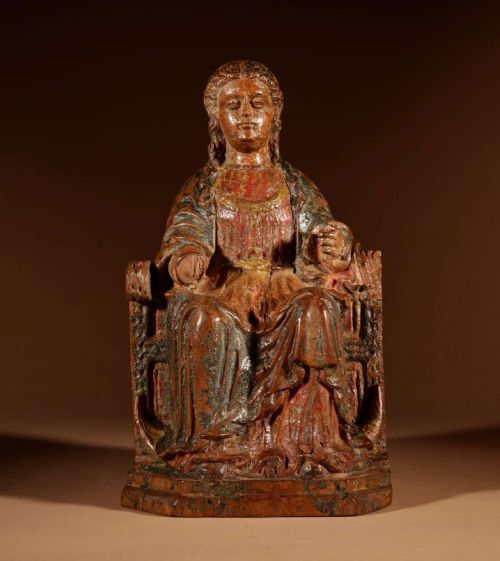
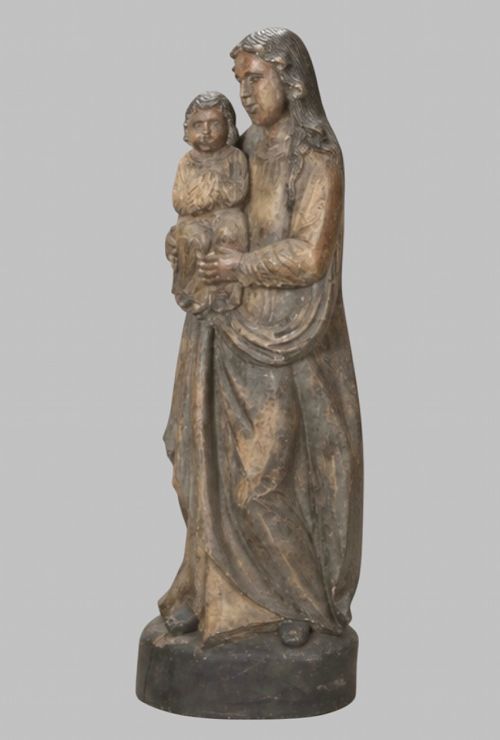
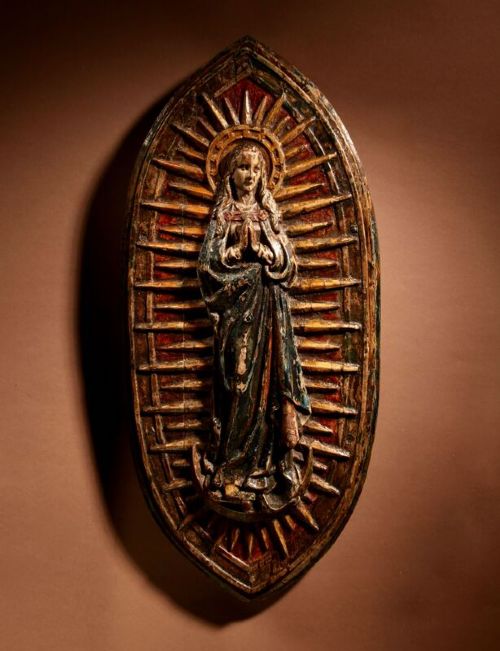
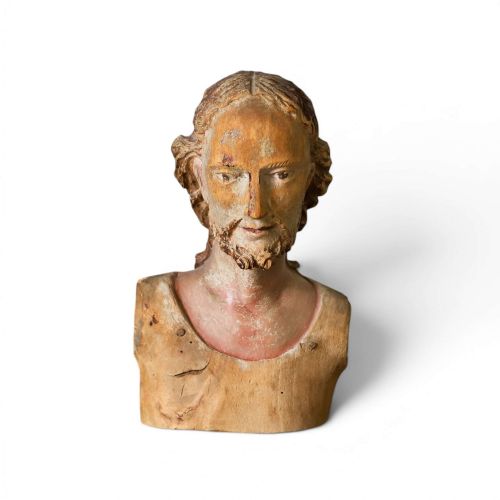
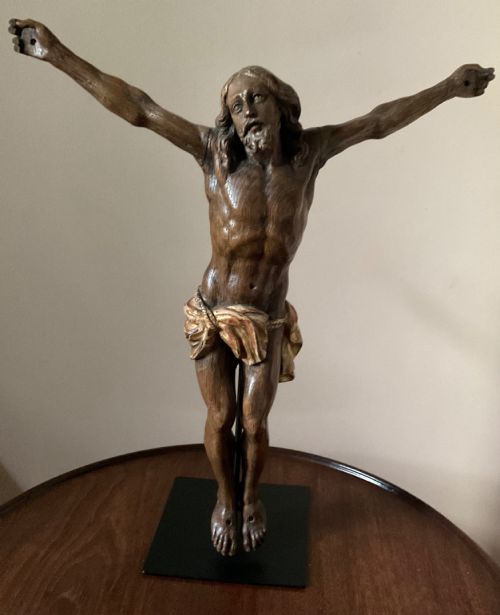
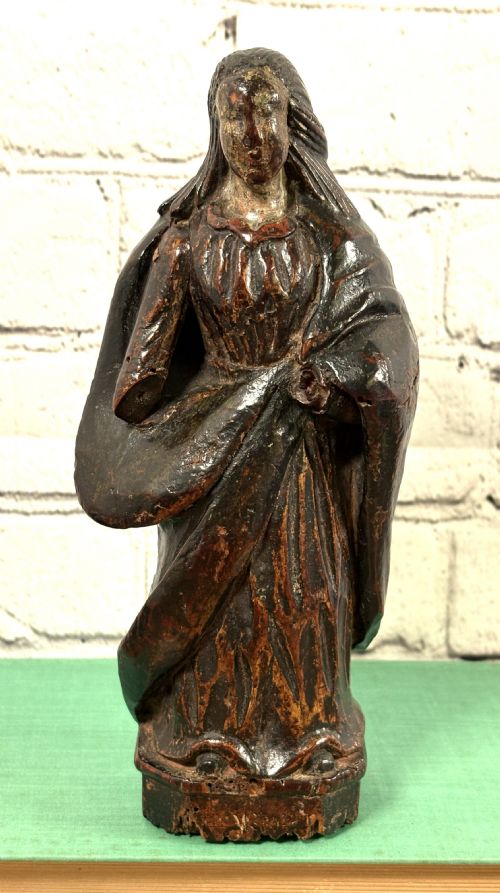
A sacred art wood sculpture is a devotional carving depicting religious figures such as the Madonna, Christ child, saints, and biblical scenes. When you browse this selection, you encounter forms ranging from freestanding statues and wall panels to monumental corpus christi figures.
The pieces span multiple periods, from pre-sixteenth century medieval carvings to twentieth-century folk art and revival styles. You are likely to meet regional European works, including Italian, German, and Low Country pieces created for ecclesiastical settings.
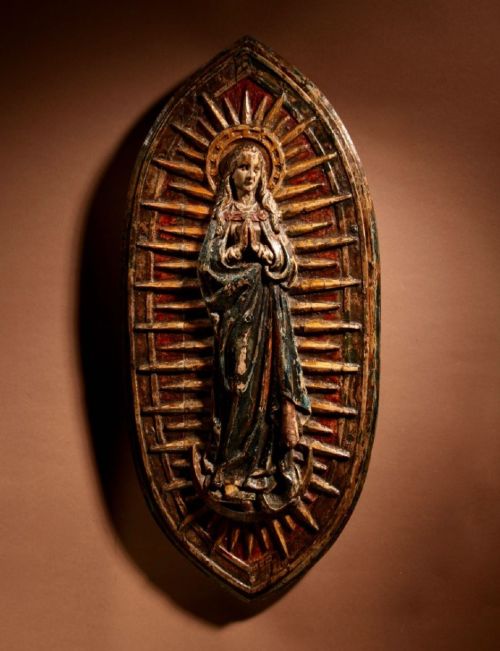
Objects include specific iconography like the Praying Virgin standing on the half moon with the snake, Anna Selbdritt groups, and depictions of Saint Jerome or John the Baptist. These items served as central panels from altarpieces, private devotional objects, and church statues.
How they were made
Many surfaces received layers of gesso preparation followed by polychrome paint and gold leaf application to enhance the lifelike and heavenly qualities of the figures. Parcel gilt details highlighted specific garments and halos, while other sculptures remained as plain carved wood with dark wax or oil finishes.
One medieval saint stands triumphant atop a startled snake while maintaining a remarkably serene expression.
What varies in quality
The preservation of original surface treatments, such as early polychrome paint and gilding beneath later layers, defines the historical value of a piece. Carvings that retain their original gesso and pigment layers offer a more complete view of their devotional history than stripped wooden surfaces.
Franz Keller
The Sacred Art Wood Sculpture Glossary
- Polychrome
- Painted in several colours. This surface treatment was commonly applied over a gesso ground on wooden sculptures to render figures lifelike.
- Corpus Christi
- The body of Jesus Christ depicted on the cross. These wooden figures often formed the central focus of historic crucifixes.
- Gesso
- A plaster mixture used as a smooth base for paint and gold leaf on wooden surfaces. It provides an adherent layer for subsequent decoration.
- Altarpiece
- A structured artwork placed behind an altar. Central panels often featured high-relief wood sculptures of saints and biblical narratives.
- Limewood
- A fine-grained timber favoured by historic carvers for detailed relief work. It resists splitting and permits delicate undercutting.
Sacred Art Wood Sculpture: Frequently Asked Questions
How were these sculptures used originally?
These sculptures served primarily as focal points for prayer and worship within churches, cathedrals, and domestic chapels. Many formed parts of larger altarpieces or functioned as standalone devotional figures for private contemplation.
Believers engaged with these visual representations during religious services and personal devotions. The physical presence of saints and holy figures brought sacred narratives directly into daily religious life.
How can I tell the period of a carving?
Dating relies on stylistic clues such as the cut of the garments, the expression of the face, and the overall posture of the figure. Gothic works often feature rigid vertical folds, while Baroque and Renaissance pieces display more dynamic movement.
Material choices and tool marks also provide evidence of age. Examining the reverse of a panel or the base of a statue reveals historical construction methods unique to specific centuries.
How do I care for historic wood sculptures?
Maintain a stable indoor environment away from direct sunlight and extreme humidity fluctuations. Sudden changes in temperature cause timber to expand and contract, which stresses the wood and historic paint layers.
Dust the surface gently with a soft, dry brush rather than using liquid cleaners or polishes. Preserving original dry surfaces protects the integrity of early gesso and polychrome.
Why do some figures retain paint while others are bare wood?
Many sculptures originally featured complete polychrome decoration and gilding designed to look vibrant and lifelike. Over subsequent centuries, later owners sometimes stripped the paint to expose the bare grain of oak, walnut, or limewood.
Surviving traces of original pigment often hide within recessed folds of drapery or protected crevices. These remnants provide restorers and historians with evidence of the piece's original appearance.