






18th Century Wooden Saint
An 18th century wooden saint brings devotional presence and carved texture into a room, offering centuries of hand-finished religious artistry.
18th Century Wooden Saint
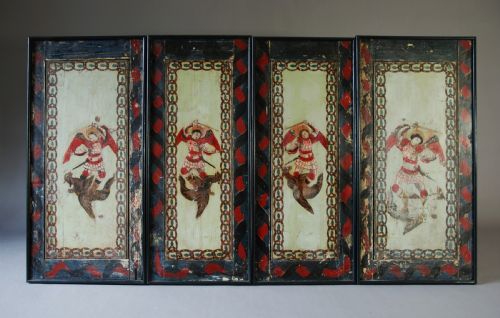
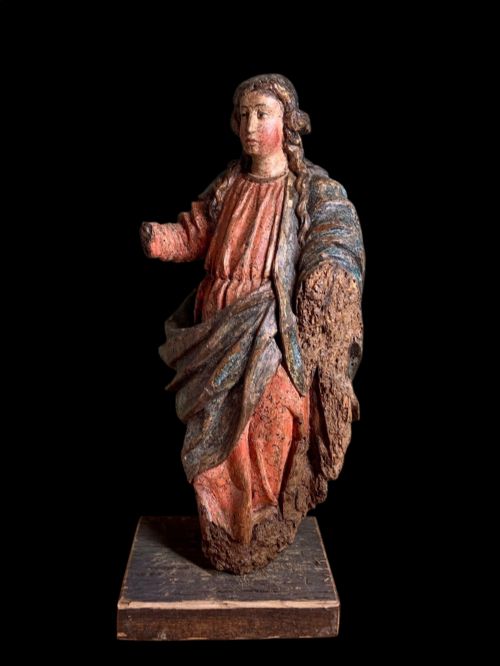
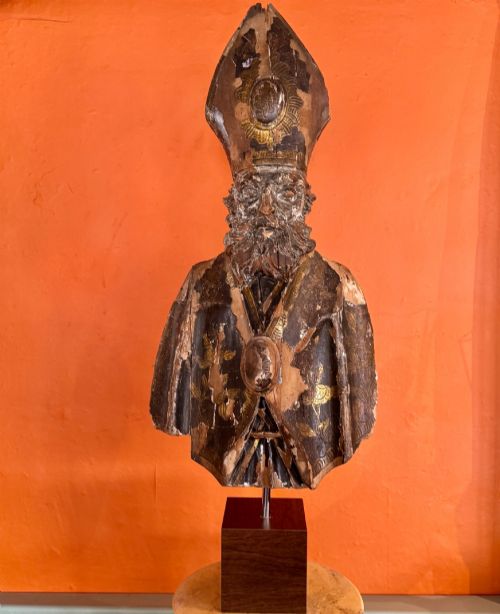
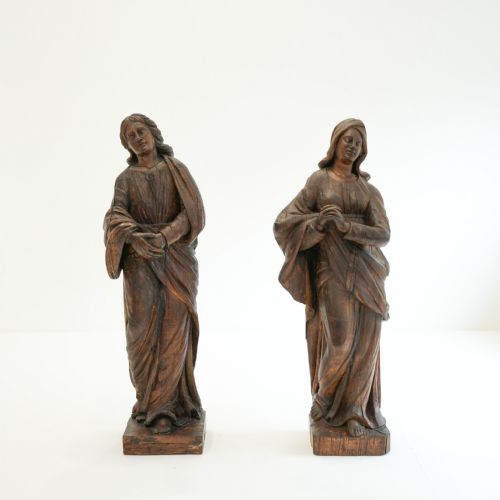
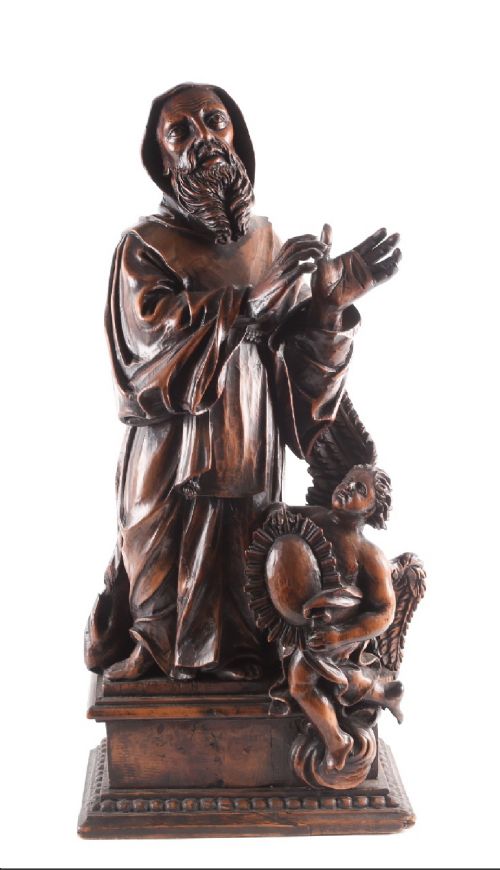
When you search for an 18th century wooden saint, you encounter carved religious figures and busts originating from European ecclesiastical traditions, notably Italian and Spanish workshops. These pieces frequently depict specific figures such as Saint Jerome, Saint Nicholas, Saint John, or bishops and acolytes, often rendered in regional baroque styles.
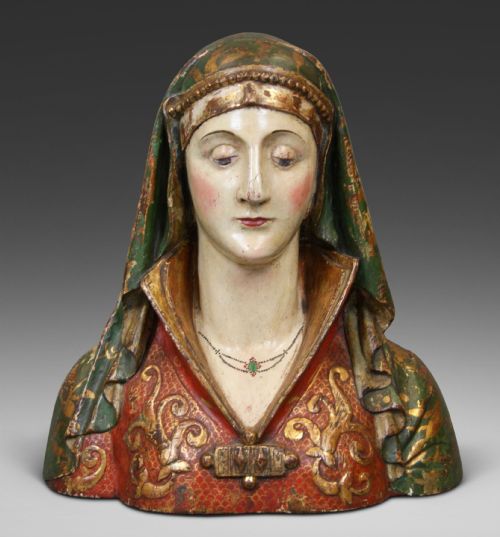
The objects on this page range from full-length statues and capipote figures to wall-hanging pine panels and individual character heads. You are most likely to meet carved wooden sculptures displaying remnants of polychrome paint, gesso, or gold leaf, reflecting their original placement in churches and private chapels.
Materials and construction methods
Finishing techniques involved applying polychrome paint and gold leaf directly over the prepared wooden base or gesso layer. This combination of carved wood and surface pigment created the richly coloured vestments and realistic flesh tones seen on baroque ecclesiastical figures.
Listings feature woods such as oak, pine, and walnut, alongside surface treatments including gesso, gold leaf, and polychrome paint.
Judging quality and execution
Surface preservation also dictates distinction, as pieces retaining their original polychrome paint or gilding command greater visual presence. The integrity of the underlying timber carving, combined with the survival of early surface layers, determines the overall character of each sculpture.
The 18th Century Wooden Saint Glossary
- Polychrome
- Painted in several colours. This surface treatment was commonly applied to wood carvings to imitate real fabrics and flesh tones.
- Gesso
- A plaster mixture used as a base for paint or gold leaf. Artisans applied it to wood surfaces to prepare them for final decoration.
- Capipote
- A type of devotional figure with a detailed carved head and hands attached to a simple framework. These statues were traditionally dressed in real textiles.
- Acolyte
- An assistant in religious services. Figures depicting acolytes often held candlesticks or liturgical objects.
- Baroque
- An artistic style characterised by ornate detail and dramatic movement. Italian and Spanish religious carvings frequently adopt these theatrical postures.
18th Century Wooden Saint: Frequently Asked Questions
How were wooden saints used?
These figures served as focal points for prayer and devotion in churches, monasteries, and private domestic chapels. They helped worshippers visualise holy figures during religious ceremonies.
Some statues were also carried in religious processions through towns and villages during feast days and festivals.
Where should I place a wooden saint?
Display these sculptures on a sturdy console table, mantelpiece, or mounted securely on a wall away from direct heat sources. Stable indoor humidity helps preserve the aged timber and delicate painted surfaces.
Positioning the piece where natural light catches the carved details enhances the texture of the wood and surviving paint.
How do I care for polychrome wood?
Dust the surface gently with a soft, dry brush to prevent the accumulation of dirt without disturbing flaking paint or gold leaf. Avoid using water, chemical cleaners, or polishes on antique wood and painted finishes.
Keep the sculpture out of direct sunlight to prevent further fading of the original pigments and drying of the timber.
How can I tell Italian from Spanish pieces?
Italian ecclesiastical carvings often display the theatrical dynamism and refined anatomical focus associated with Italian Baroque sculpture. Spanish pieces frequently emphasise intense emotional expression and include specialised forms like capipote figures designed for dressing.