


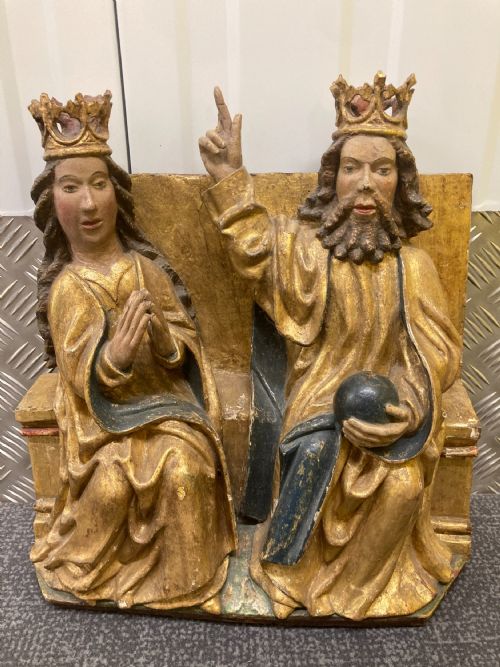


European Carved Figure
These european carved figure pieces span centuries of sculptural craft, offering tactile representations of saints, nobility, and folk subjects that bring historical presence to any interior.
European Carved Figure
A european carved figure encompasses a broad range of sculptural forms, from solemn religious statues and saints to secular busts and whimsical folk art carvings. The selections here most commonly draw from the nineteenth century, though earlier ecclesiastical examples and mid-century works also appear.
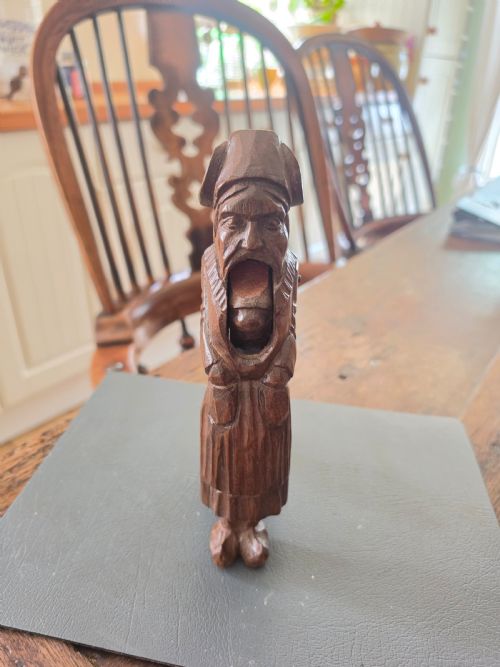
The assortment shifts between various physical formats, including large freestanding statues, architectural groups, marble portraits, and smaller functional items like nutcrackers or money boxes. Collectors encounter both refined Grand Tour marbles and rustic regional carvings reflecting distinct cultural traditions.
Materials and Construction
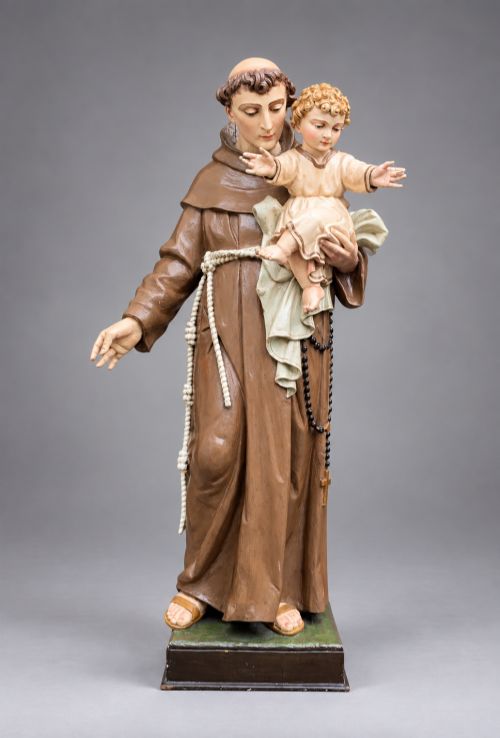
Makers utilised traditional hardwoods such as oak, limewood, and general carved wood, often enhancing surfaces with gesso and polychrome paint. Early religious works frequently combine carved timber with giltwood details to create layered visual depth.
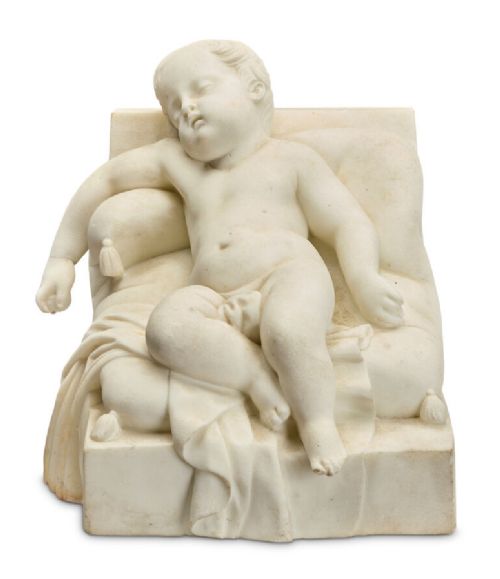
Mineral alternatives like marble appear in portrait busts and classical statuary, demonstrating precise chisel work. Metal elements are occasionally integrated into structural components or decorative fixtures within the grouping.
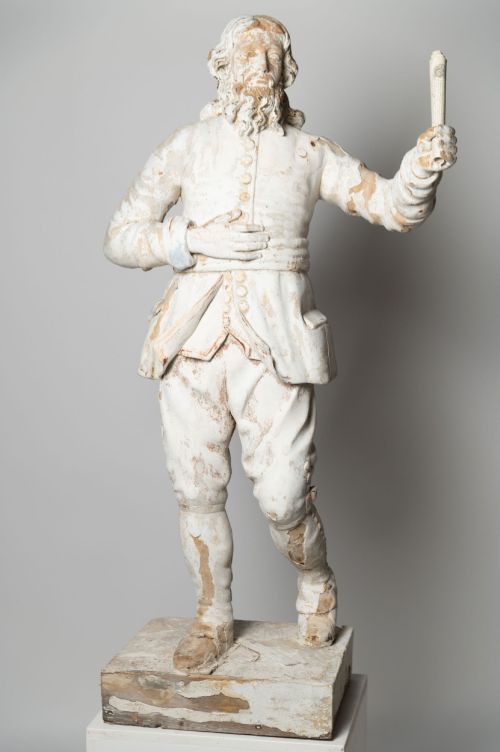
Among the historical saints and noblemen, a cheerful wooden night watchman and an observant miser keep a watchful eye over proceedings.
Factors of Quality
The integrity of the material and the consistency of the historical surface layer further distinguish superior examples from simpler provincial works. Masterful handling of drapery and texture elevates the sculptural presence.
The European Carved Figure Glossary
- Polychrome paint
- Decoration applied in several colours to the surface of wood or stone sculpture. This technique was frequently utilised on ecclesiastical figures to enhance realism.
- Giltwood
- Timber that has been coated with a thin layer of gold leaf. It is commonly found on religious groups and altarpieces from earlier centuries.
- Grand Tour
- A traditional trip through Europe undertaken by upper-class Europeans for pleasure and education. Souvenirs often included classical marble statues and portrait busts.
- Folk art
- Artistic work produced from an indigenous culture or peasant society. These pieces display traditional motifs and untutored regional styles.
- Ecclesiastical
- Relating to the Christian Church or its clergy. Many early wooden statues originate from church settings or private devotional shrines.
European Carved Figure: Frequently Asked Questions
How do I date a wooden figure?
Dating relies on tool marks, wood species, and the style of the carving or clothing. Comparing the patina with known period examples helps establish an approximate timeframe.
Paint layers and gesso application also offer clues to the age and origin of polychrome pieces. Expert examination of the timber shrinkage assists in confirming authenticity.
Where were these figures originally displayed?
Many ecclesiastical figures stood in churches, chapels, or private domestic shrines for daily devotion. Secular portrait busts and Grand Tour marbles traditionally decorated studies or libraries.
Folk art items and money boxes served functional or decorative roles in modest homes. Today, collectors place them on consoles, mantels, or dedicated display pedestals.
How should I clean carved wood?
Dusting gently with a soft, dry brush or cloth is generally sufficient for maintenance. Avoid using harsh chemical cleaners, water, or abrasive cloths that might damage fragile paint or gesso.
For painted or gilt surfaces, professional conservation advice should be sought before attempting any remediation. Maintaining stable indoor humidity prevents timber from splitting.
What is the difference between folk art and religious figures?
Religious figures follow strict iconographic traditions representing saints, biblical figures, or ecclesiastical events, often intended for worship. Folk art carvings emerge from local traditions, depicting secular subjects like watchmen, flower sellers, or everyday folk with regional charm.
Religious pieces frequently employ refined gilding and polychrome finishes, while folk art often showcases direct, unpretentious hand carving in native timber.