


Austrian Bronze Dog
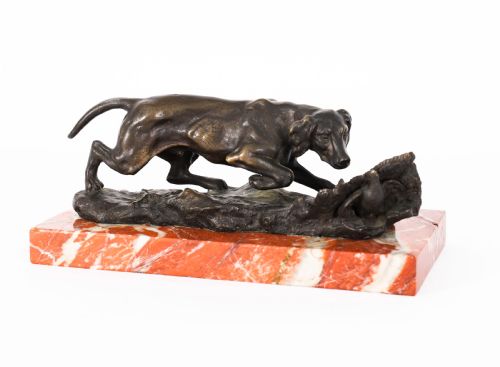
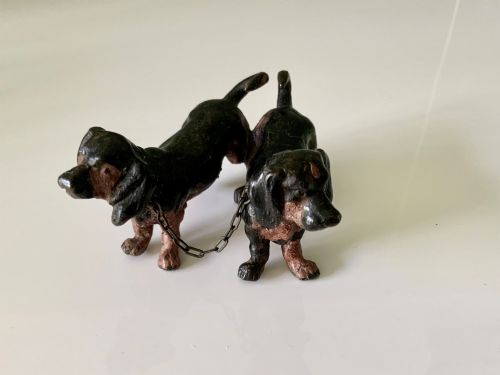
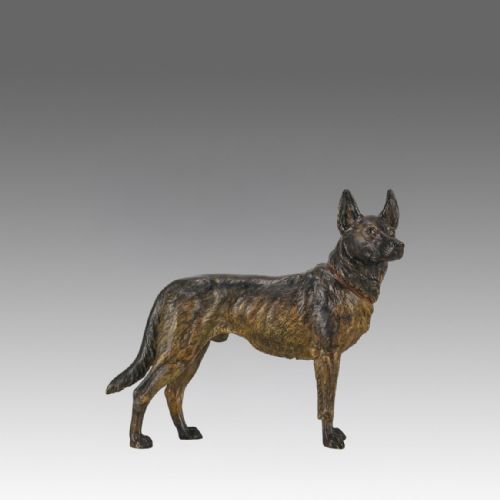
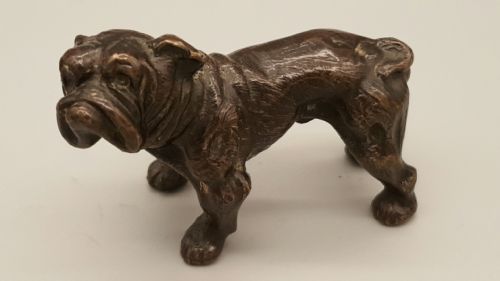
These small cast metal figures of an austrian bronze dog capture specific breeds with vivid character.
Austrian Bronze Dog
When you search for an austrian bronze dog, you enter a field dominated by small scale animalier sculptures and functional desk objects. The versions you meet most often on this page date from the late nineteenth century through to the nineteen-twenties, originating from Vienna workshops.
These pieces take many forms, ranging from miniature figurines of pugs, dachshunds and bulldogs to inkwells, trays and match strikes. Some incorporate humorous scenes or working functions, combining sculpture with everyday desk accessories.
Materials and construction
The primary material is cast bronze, though some examples utilise bronzed plaster or incorporate marble bases. Figures are cast in metal and then finished by hand.
Makers applied polychrome paint cold onto the metal surface without firing, a technique that defines the Vienna bronze tradition. This cold-painted enamel finish creates realistic or whimsical coloration on the coat of each dog.
Austrian Bronze Dog Retail Price Guide 2026
Typical asking prices for austrian bronze dog among the pieces listed under this phrase on Sellingantiques today, from the lower quarter to the upper quarter. They describe what is for sale here now, not the wider market.
Pugs and bulldogs dominate the canine cast, occasionally caught in the middle of a race with a monkey or cocking a leg.
Elements of distinction
Quality rests primarily on the crispness of the casting and the sensitivity of the hand-painted surface. Superior pieces retain the delicate polychrome enamel details that bring the animal's expression and posture to life.
The sophistication of the model sets finer examples apart, particularly those bearing the touch of known foundry artists. Sculptural depth in the fur texture and the inclusion of functional elements like hinged inkwells also elevate a piece.
Carl Kauba·Franz Bergman·Stephan Buchinger
The Austrian Bronze Dog Glossary
- Cold-Painted Bronze
- Metal sculpture decorated with unfired paint or enamel applied after casting. This technique requires careful handling to preserve the original surface colours over time.
- Vienna Bronze
- Small cast metal figures produced in Austrian foundries, particularly during the late nineteenth and early twentieth centuries. These pieces are celebrated for naturalistic or humorous animal subjects.
- Animalier
- A nineteenth-century artistic movement focused on the realistic portrayal of animals. Sculptors in this style studied anatomy closely to capture creatures in motion or repose.
- Inkwell
- A small desk container for holding liquid ink, often integrated into the base of a sculptural bronze. These functional objects frequently disguise their utility beneath a hinged animal figure.
Austrian Bronze Dog: Frequently Asked Questions
How do I identify an Austrian bronze dog?
Look for the characteristic cold-painted polychrome finish applied over a detailed bronze casting. Many examples depict specific dog breeds with naturalistic or humorous expressions characteristic of Vienna foundries.
Purchasers also examine the weight of the metal and the style of the casting, which typically points to production methods used around nineteen hundred.
Were these figures used as toys?
These bronzes served primarily as decorative ornaments or functional desk accessories rather than children's playthings. Many pieces incorporate inkwells, match strikes, trays or letter openers into the design.
Their placement on writing desks and side tables reflected the Victorian and Edwardian taste for combining art with utility.
How should I clean cold-painted bronze?
Cold-painted surfaces require gentle dusting with a soft, dry brush to protect the delicate unfired enamel. Moisture and chemical cleaners damage the original paint layer easily.
Keeping the piece away from direct sunlight preserves the vibrant colours applied by the original makers.
What periods do these dogs represent?
The listings span the late nineteenth century, the Victorian era, the Edwardian period and the early twentieth century up to nineteen-twenty. Production peaked during the Vienna bronze boom around nineteen hundred.
Stylistic cues and foundry marks help narrow down the production date within this broad window.