
Cold Painted Figurine
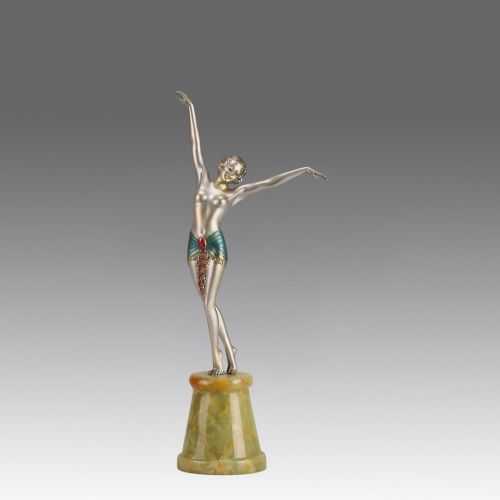
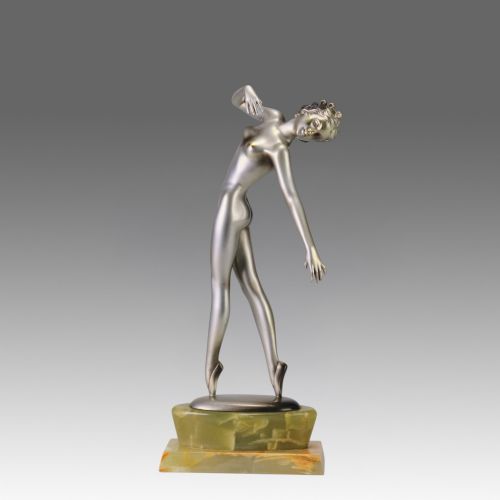
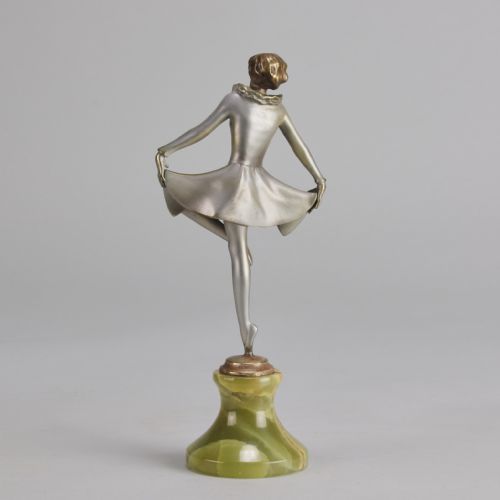
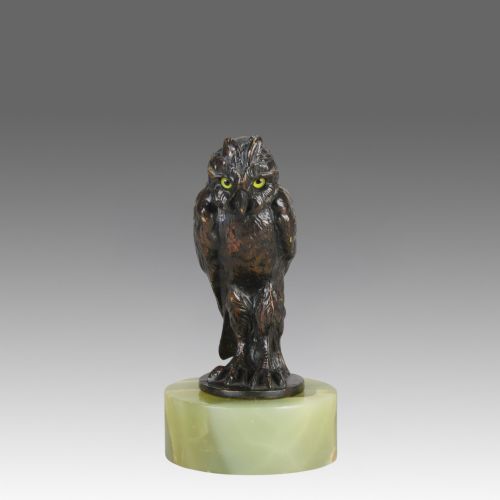
A cold painted figurine brings tactile colour and miniature drama to a room, cast in metal and finished with delicate enamel paint.
Cold Painted Figurine
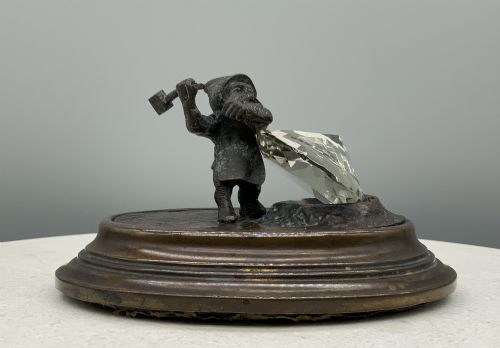
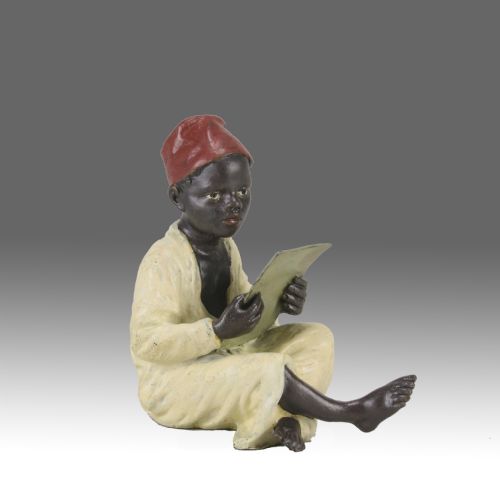
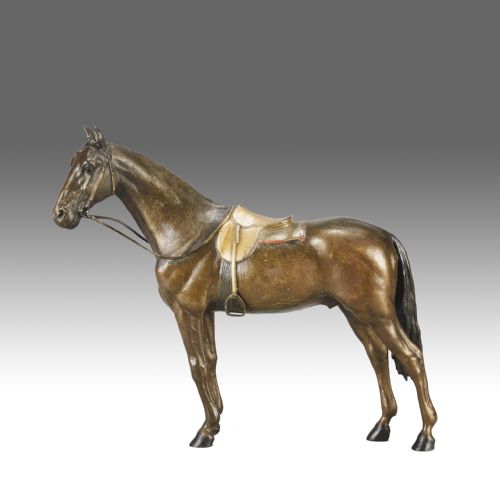
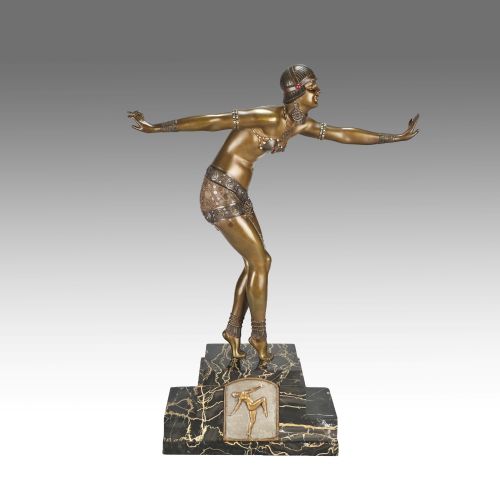
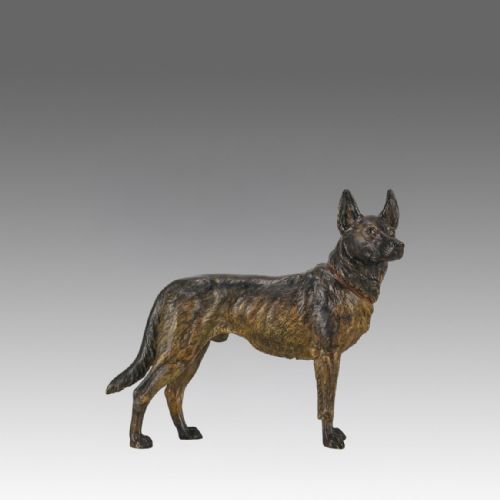
When searching for a cold painted figurine, a buyer encounters small sculptural works spanning the nineteenth and early twentieth centuries. These figures encompass naturalistic animal studies, human dancers, and orientalist subjects cast primarily in bronze and spelter. The forms appear across Victorian, Art Nouveau, and Art Deco styles.
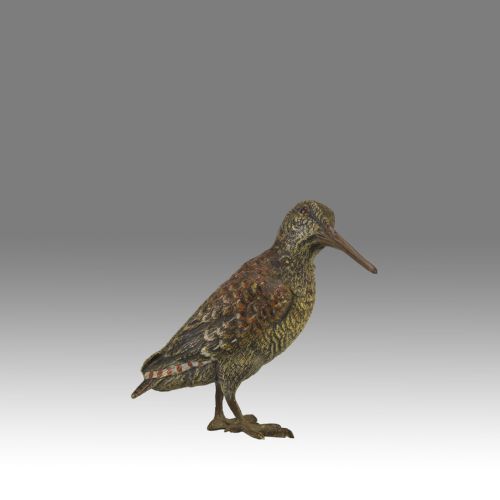
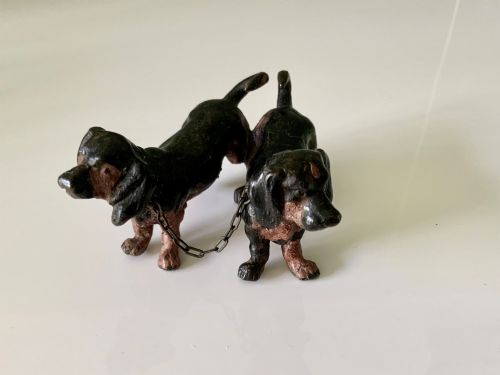
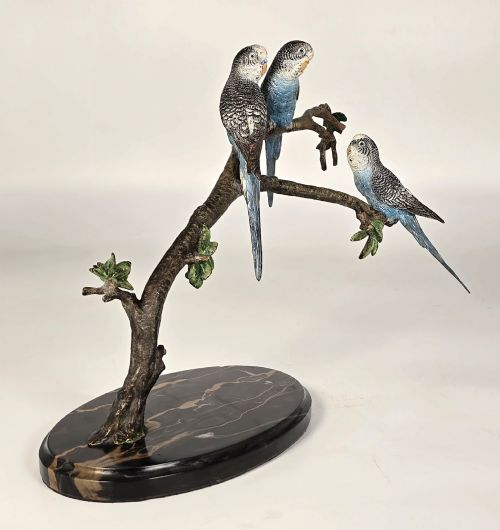
The most common examples on this page are Austrian bronzes depicting birds, dogs, and human figures in lively poses. Many incorporate bases of green onyx or marble to support the metalwork. Animal studies range from miniature mice and birds to larger horses and dogs.
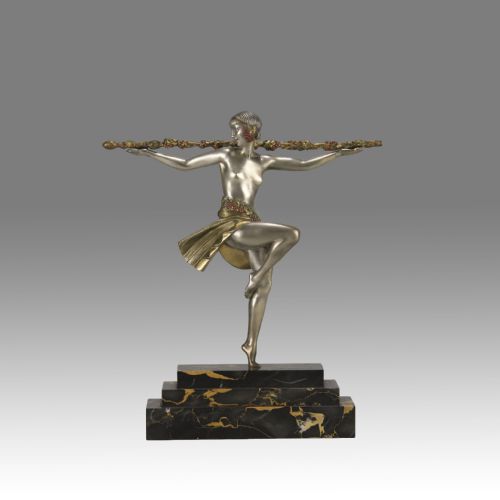
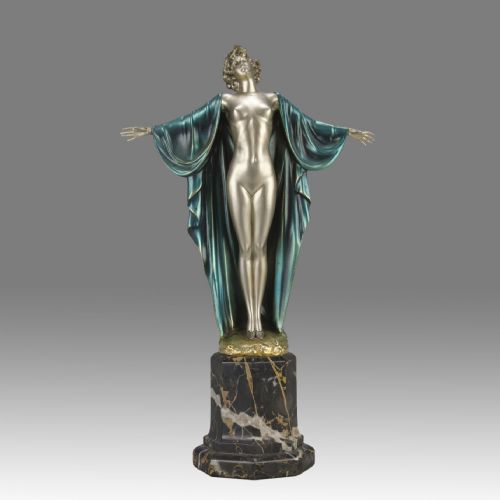
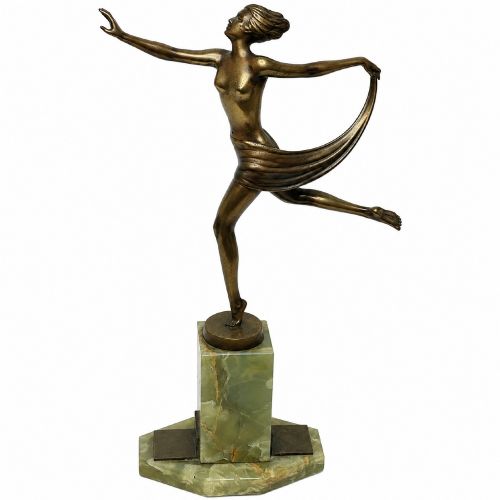
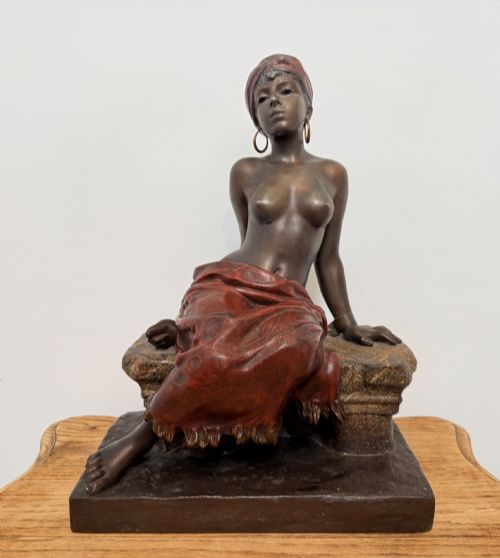
Figurines from this category often draw inspiration from Viennese foundries and prominent sculptors of the early twentieth century. Human subjects include dancers, figures in traditional garments, and literary characters rendered in characteristic period postures. The selection moves between small cabinet pieces and substantial sculptural groups.
How they were made
Makers formed these pieces by casting bronze or spelter into intricate moulds to create the underlying metal shape. Artisans then applied multiple layers of unfired oil-based paint or enamel directly onto the metal surface. This cold-painting technique allowed for fine detailing without subjecting the pigments to kiln heat.
Certain figures incorporate natural stone elements such as green onyx or marble as integral mounting bases. Selected pieces combined cast bronze with carved ivory or supplementary metal alloys to achieve contrasting textures. Artisans frequently stamped foundry marks or artist ciphers into the metal before the final surface finishing.
Listings feature bronze and spelter materials alongside green onyx and marble bases across the Victorian, Art Nouveau, and Art Deco periods.
What varies in quality
The degree of realism and expressiveness in the casting separates standard examples from exceptional ones. Master modellers achieved fluid movement in human dancers and lifelike feather textures in bird studies, whereas simpler works remain static.
Preservation of the original enamel paint layers significantly influences the character of a piece. Finer examples retain crisp polychrome detailing across the surface, while lesser pieces show extensive paint loss or later overpainting.
Franz Bergman·Josef Lorenzl·Ferdinand Preiss·Pierre le Faguays·Demetre Chiparus·E Villanis
The Cold Painted Figurine Glossary
- Cold paint
- A decorative finish applied to metal without kiln firing, typically using oil-based pigments or enamel. This technique allowed makers to achieve vibrant polychrome effects on bronze sculptures.
- Vienna bronze
- A category of small, highly detailed metal sculptures produced in Austrian foundries during the late nineteenth and early twentieth centuries. These pieces frequently depicted animals, orientalist scenes, and human figures.
- Spelter
- A zinc alloy used as a substitute for bronze in decorative metalwork and figurine production. It offered a cheaper alternative for manufacturers during the Art Deco period.
- Orientalism
- An artistic style reflecting Western fascination with Near Eastern and North African subjects. Figures in this tradition often depicted warriors, dancers, and scholars in traditional attire.
Cold Painted Figurine: Frequently Asked Questions
What is a cold painted figurine?
A cold painted figurine is a small metal sculpture finished with oil-based paint or enamel applied without kiln firing. These pieces are cast in bronze or spelter and depict animals, human dancers, and orientalist subjects.
The technique allows for intricate polychrome detail on the metal surface. Most examples date from the Victorian era through the Art Deco period.
Who made these bronze figures?
Many of these pieces originated in Austrian foundries during the late nineteenth and early twentieth centuries. Prominent artists such as Franz Bergman and Josef Lorenzl designed notable figures.
Foundries often used specific stamps or ciphers, such as the Bergman urn mark or a stamped letter, to identify their output.
How should I display them?
These figures suit small display spaces, mantelpieces, or cabinet shelves where viewers can appreciate their fine detail. Many incorporate marble or green onyx bases designed to sit flat on wooden surfaces.
Keep them away from direct sunlight and moisture to protect the delicate enamel paint layers from fading or flaking.
How do I identify Art Deco pieces?
Art Deco figurines typically feature stylised human forms, such as dancers and ice skaters, with sleek geometric lines. These works often utilise spelter or gilt bronze alongside onyx or marble bases.
Signatures or attributions to makers like Josef Lorenzl or Ferdinand Preiss frequently accompany figures from this aesthetic.