


Austrian Orientalist Bronze
Austrian orientalist bronze figures capture dramatic Near Eastern and North African subjects through intricate metalwork and vibrant pigments.
Austrian Orientalist Bronze
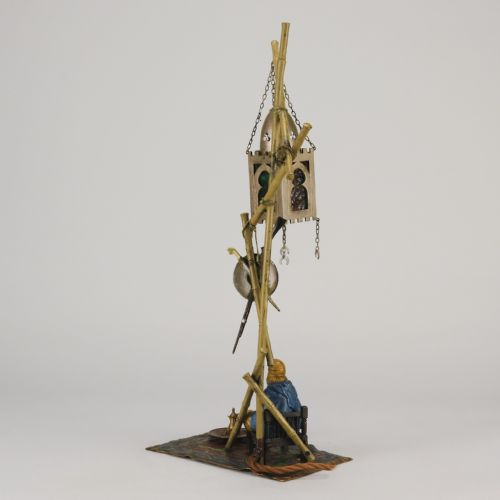
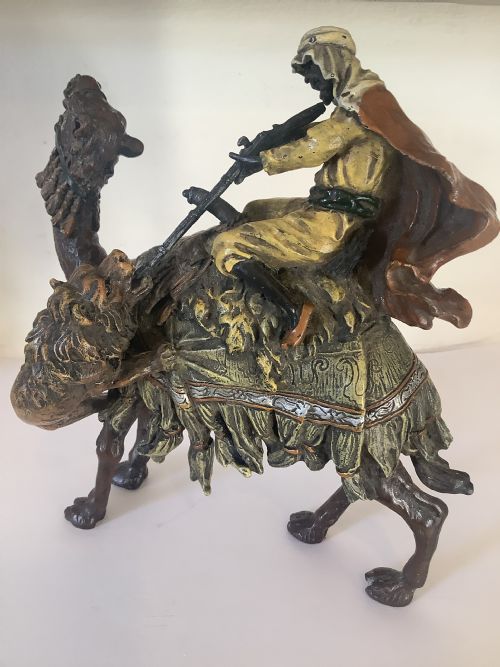
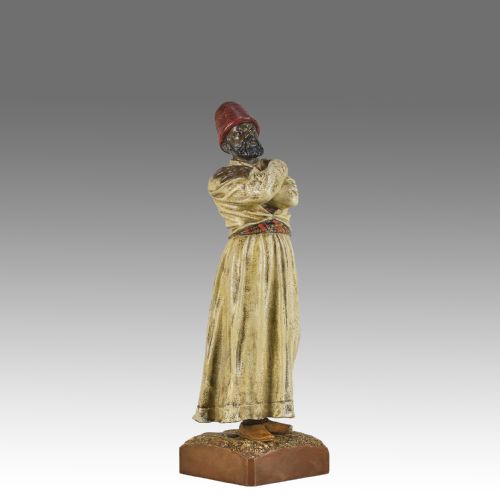
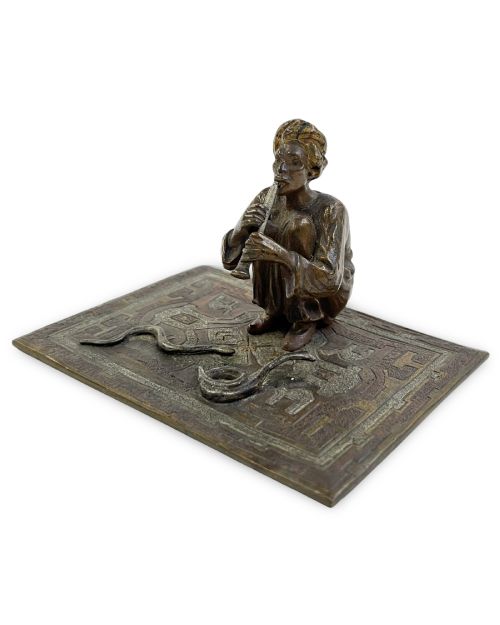
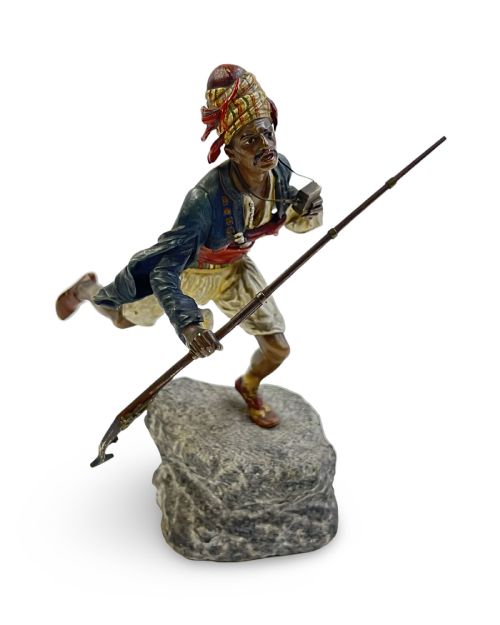
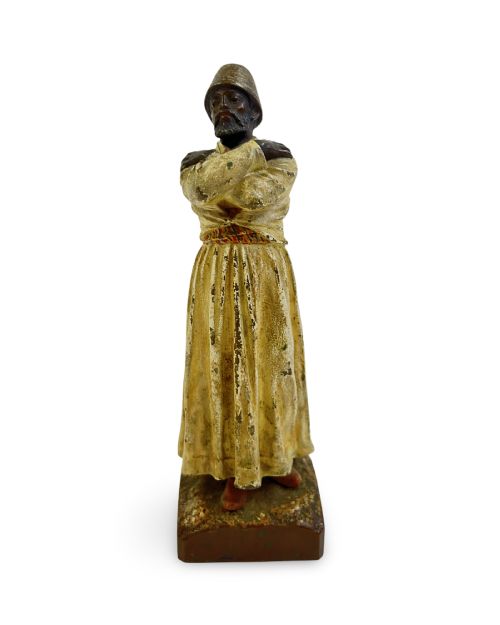
When you examine an Austrian orientalist bronze, you look at figural sculptures and functional items depicting figures such as Arab men, merchants, warriors, and musicians in elaborate settings. These pieces draw heavily on nineteenth-century and early twentieth-century fascination with North African and Middle Eastern cultures, translating dramatic narratives into solid metal forms. The versions you are most likely to meet on this page span the Victorian era, the Art Nouveau period, and Art Deco, taking the form of table lamps, inkstands, and small statuettes.
The subjects range from solitary figures like whirling dervishes and snake charmers to complex group scenes involving tents and rugs. Many examples present intimate domestic moments or trade interactions, cast with careful attention to costume and posture. They serve as tangible records of European decorative arts engaging with distant landscapes through a distinctly continental lens.
How they were made
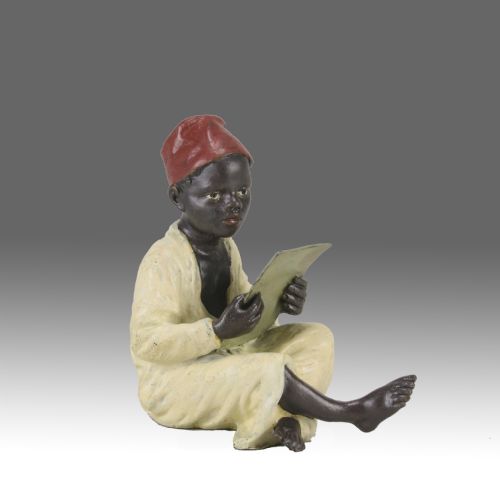
Makers produced these sculptures using traditional casting methods in bronze, shaping intricate details in the metal before applying finish. The defining technical characteristic involves cold-painted surfaces, where artisans applied oil paint or enamel paint directly onto the unheated metal rather than firing the pigment in a kiln.
Beyond the metal core, makers incorporated materials like marble and glass to mount figures or construct functional elements such as lamps and inkwells. This combination of cast bronze and delicate surface pigments requires specific care to preserve the original polychrome details against flaking or wear.
Listings feature items spanning the 19th Century, Victorian period, and early decades of the 20th century up to 1930.
What varies in quality
The distinction between ordinary and exceptional pieces rests primarily on the crispness of the bronze casting and the nuance of the hand-applied cold paint. Superior examples display fine facial expressions, detailed fabric folds, and well-preserved polychrome surfaces that retain their original tones without heavy restoration.
Makers' marks and stamps also influence standing, with specific foundry ciphers or artist signatures providing clear attribution. The complexity of the subject matter, from simple single figures to multi-figure groups with elaborate accessories, further separates standard production items from ambitious sculptural works.
Franz Bergman·Franz Xaver Bergman·Bruno Zach·Goldscheider
The Austrian Orientalist Bronze Glossary
- Cold-painted bronze
- A metal sculpture finished with un-fired oil or enamel paint applied directly to the surface. This technique allows for vivid polychrome detailing on clothing and skin.
- Orientalism
- An artistic style and cultural movement focusing on the depiction of Near Eastern, Middle Eastern, and North African subjects. It heavily influenced European fine and decorative arts during the nineteenth and early twentieth centuries.
- Vienna bronze
- A category of small, realistic or whimsical cast metal figures produced by workshops in the Austrian capital. They are particularly known for their naturalistic modelling and detailed cold-painted finishes.
- Namgreb
- A reverse-spelled mark used by a prominent foundry to stamp bronze figures. It serves as a disguised signature for pieces produced in major Austrian workshops.
Austrian Orientalist Bronze: Frequently Asked Questions
What is cold-painted bronze?
Cold-painted bronze refers to metal sculptures finished with oil or enamel paint applied to the cold metal surface rather than fired in a kiln. This technique allows for bright, multi-coloured clothing and realistic skin tones.
Because the paint sits on the metal without being baked on, these finishes can be delicate. Collectors prize pieces where this original polychrome surface remains largely undisturbed.
How do I care for these bronzes?
These pieces require gentle maintenance to protect the fragile cold-painted surfaces from moisture and abrasion. Dust them very carefully with a soft, dry brush and avoid all chemical cleaners or polishing agents.
Keep them away from direct sunlight and high humidity, which can cause the old oil paints to fade or lift from the metal substrate over time.
What subjects are most common?
Common subjects include Arab men, warriors, snake charmers, musicians, and figures engaged in daily trade or domestic life. Many depict dramatic scenes set inside tents or around rugs.
Other variations include functional items like desk inkstands, table lamps, and figural groupings involving animals such as camels.
How can I tell the period?
Dating relies on stylistic clues, connecting the clothing, sculptural stance, and decorative motifs to movements like Art Nouveau or Art Deco. Many pieces also feature manufacturing traits typical of the late nineteenth and early twentieth centuries.
Signatures, foundry stamps, and registration numbers can provide further clues to confirm the exact period of production.