


Franz Bergman Sculpture
These cold-painted bronzes bring intricate Viennese craftsmanship and Orientalist figures directly to your cabinet.
Franz Bergman Sculpture
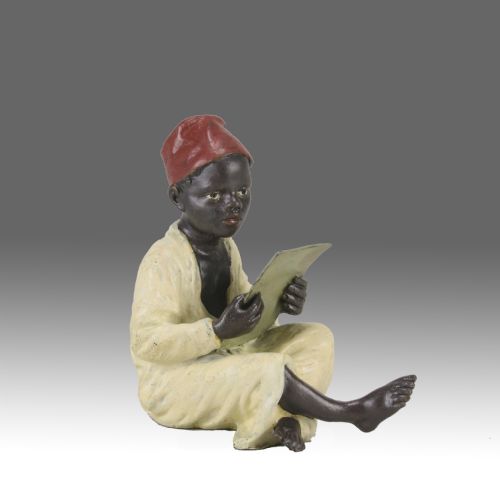
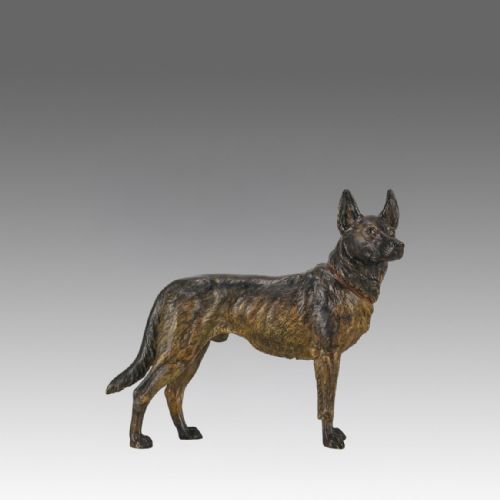
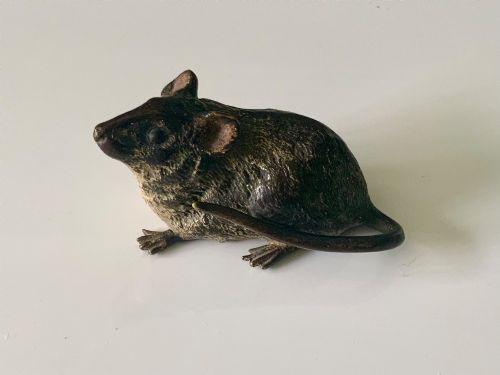
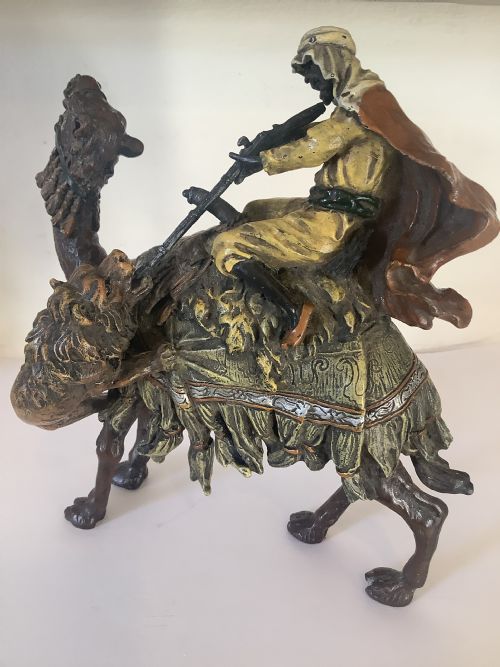
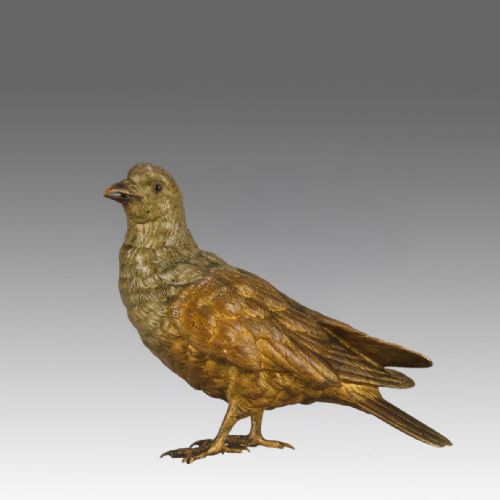
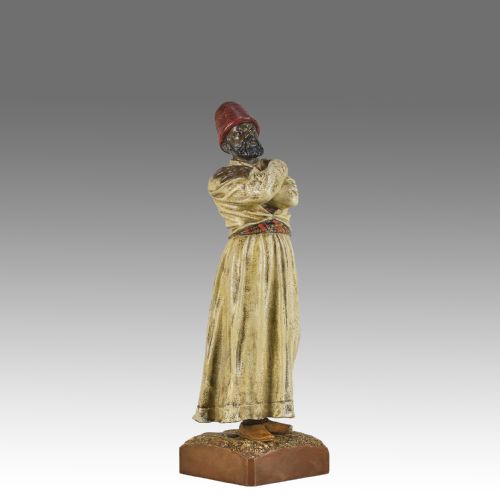
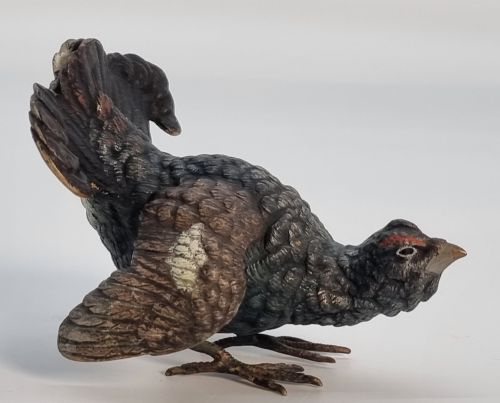
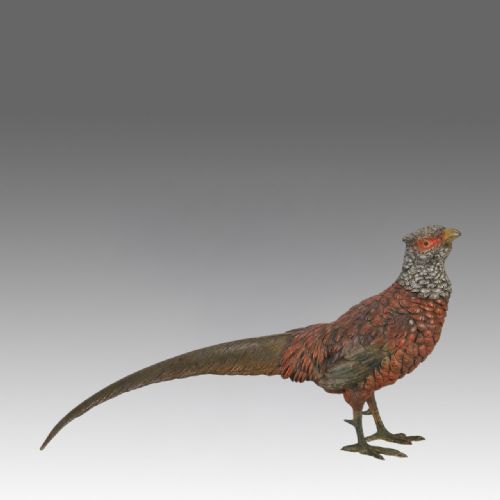
When searching for franz bergman sculpture, collectors encounter masterworks of Austrian metalwork originating largely from the late nineteenth and early twentieth centuries. The selection centres on cold-painted bronze figures, depicting animals, birds, and detailed human subjects in Orientalist or domestic settings.
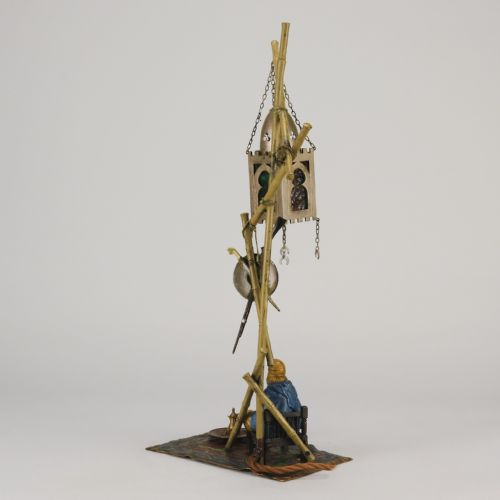
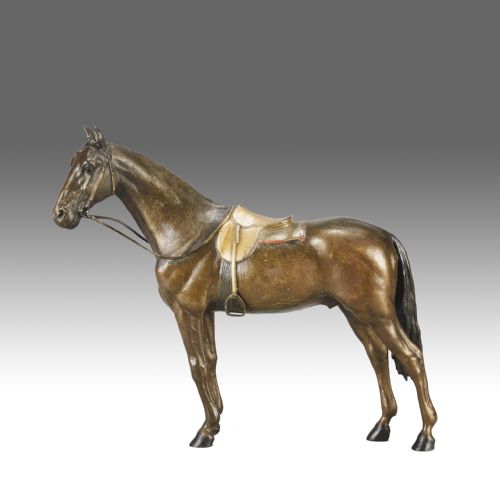
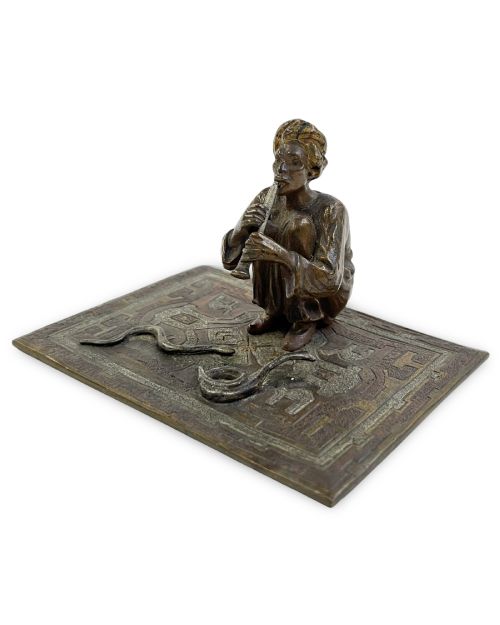
Most examples date from the 1900 to 1910 period, capturing the height of the Vienna bronze foundry output. Figures range from miniature animal studies of birds and horses to complex figural groupings like snake charmers and Arab lamp stands.
The aesthetic bridges Victorian and Edwardian tastes, utilising rich polychrome pigments applied over cast bronze. These sculptures function primarily as cabinet pieces, though table lamps and small dishes also appear.
How they were made
Foundries created franz bergman sculpture through traditional lost-wax or sand casting in bronze, producing substantial weight and precise anatomical detail. Artisans then applied multiple layers of cold paint by hand without firing the pigments in a kiln, relying on binders to adhere the colour directly to the metal.
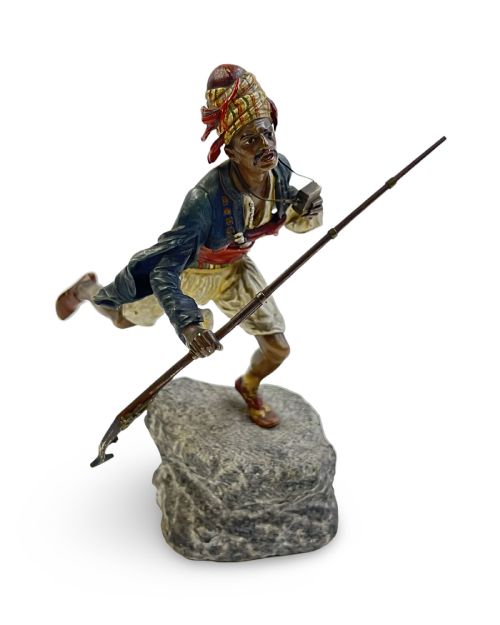
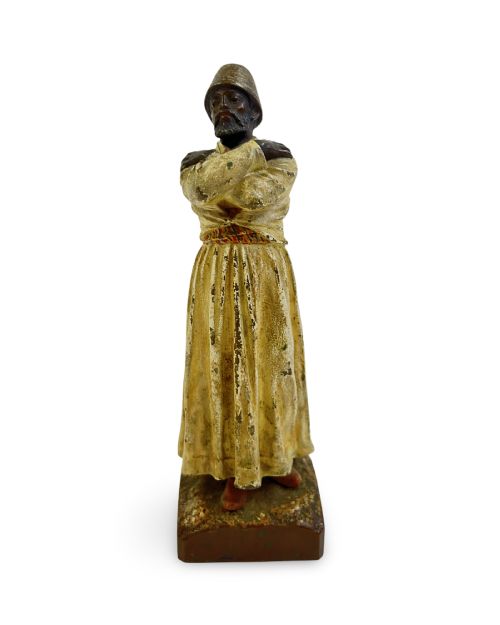
Enamel and polychrome paints define the surfaces, highlighting robes, feathers, and harnesses with striking realism. Occasional combinations incorporate marble or glass elements to complete the composition.
Listings feature works spanning the Victorian and Edwardian periods up to the 1930s, cast in bronze and finished with polychrome paint.
What varies in quality
Quality in franz bergman sculpture depends heavily on the preservation of the original cold-painted surface and the crispness of the bronze casting. Pieces that retain their layered polychrome paint without extensive overpainting command greater appreciation among serious collectors.
The complexity of the subject matter also dictates distinction within the range. Multi-figure Orientalist scenes or large animal studies demonstrate superior foundry skill compared to standard single-figure casts.
Franz Bergman·Franz Xavier Bergman
The Franz Bergman Sculpture Glossary
- Cold-painted bronze
- Bronze sculpture finished with unheated paint applied over the metal surface. This technique allows for fine polychrome detail but requires careful handling to preserve the finish.
- Vienna bronze
- Small-scale bronze figures produced in Austrian foundries during the late nineteenth and early twentieth centuries. These works are celebrated for whimsical animalier studies and exotic Orientalist subjects.
- Orientalism
- Artistic style focusing on subjects from the Middle East and North Africa. In these sculptures, figures such as dervishes, traders, and warriors appear in traditional attire.
- Animalier
- A nineteenth-century artistic movement dedicated to the realistic portrayal of animals. These bronzes capture birds, dogs, and horses with careful anatomical observation.
- Polychrome paint
- The application of multiple distinct colours to a single object. This method brings lifelike variation to animal plumage and human garments.
Franz Bergman Sculpture: Frequently Asked Questions
What is cold-painted bronze?
Cold-painted bronze refers to metal sculptures finished with oil or enamel paints applied without heat firing. This method allowed artisans to achieve vibrant, lifelike colours across intricate clothing and animal feathers.
Because the paint sits on the metal rather than fusing through kiln firing, surviving surfaces often show historical wear that tells the story of the piece's age.
Why are some figures Orientalist?
Late nineteenth-century European fascination with North Africa and the Middle East heavily influenced Austrian foundries. Sculptors modelled figures like water carriers, carpet sellers, and warriors based on romanticised travel accounts.
These detailed human subjects complement the more common animal and bird studies within the broader production.
Are all pieces signed?
Many sculptures feature foundry marks, urn stamps, or Bergman signatures, though smaller pieces sometimes carry only subtle numbers or remain unmarked. Unmarked works are attributed through distinct casting quality and paint application.
Examining the underside and base often reveals the Bergman stamped monogram or amphora trademark used during the period.