

Oriental Metalwork Sculpture
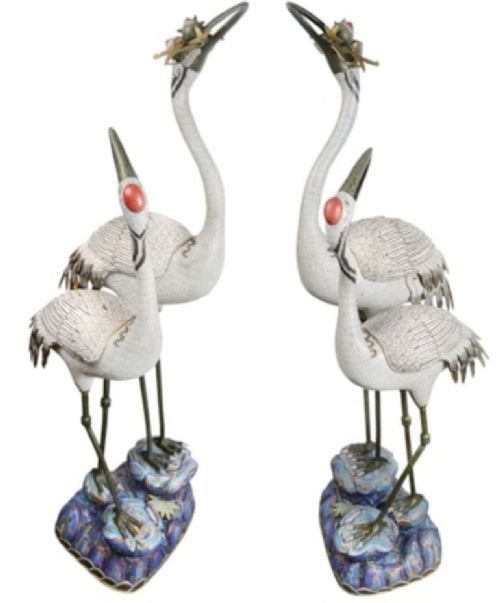
Oriental metalwork sculpture brings together bronze, brass and cloisonne enamel figures spanning the nineteenth and early twentieth centuries.

Oriental Metalwork Sculpture
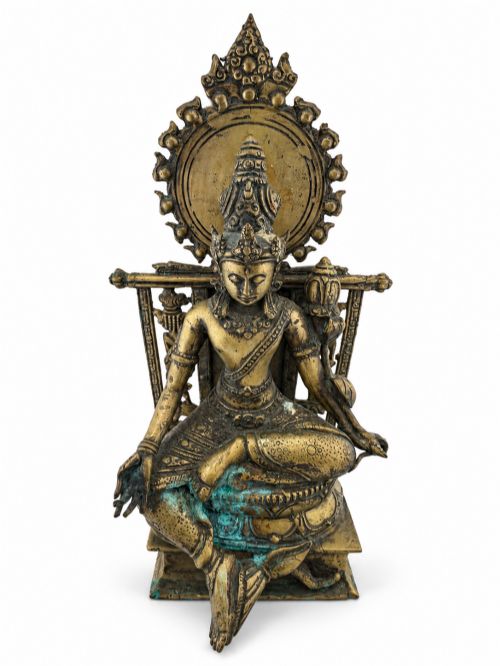
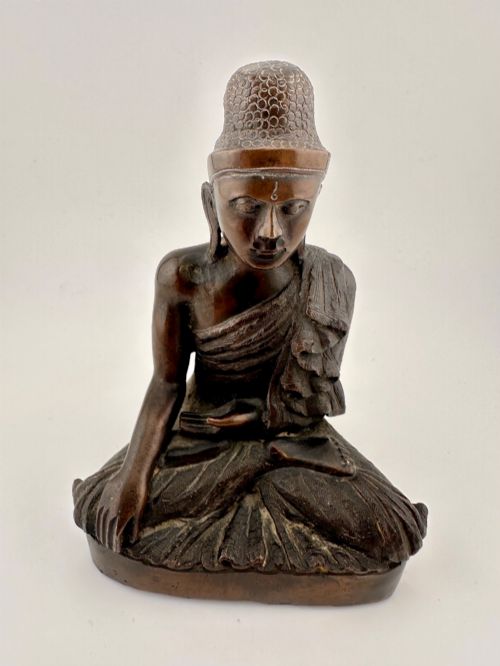
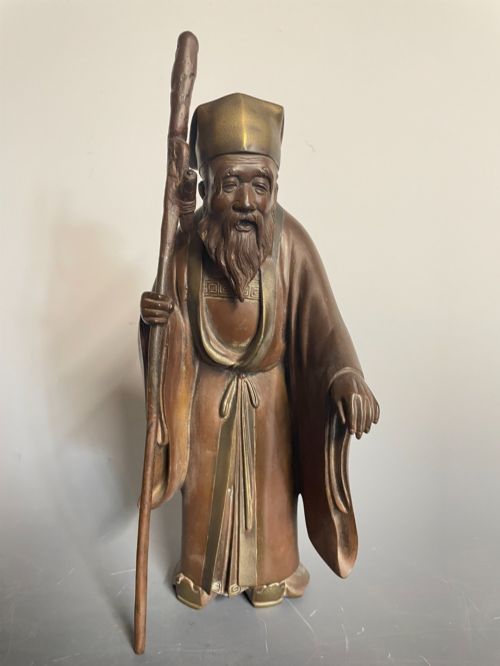
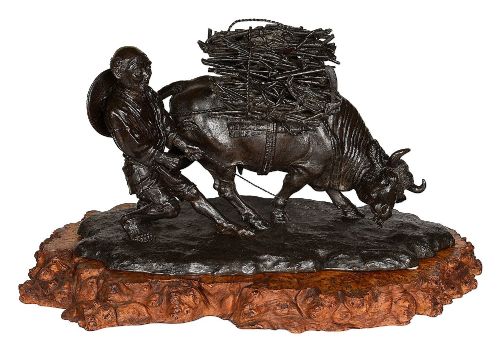
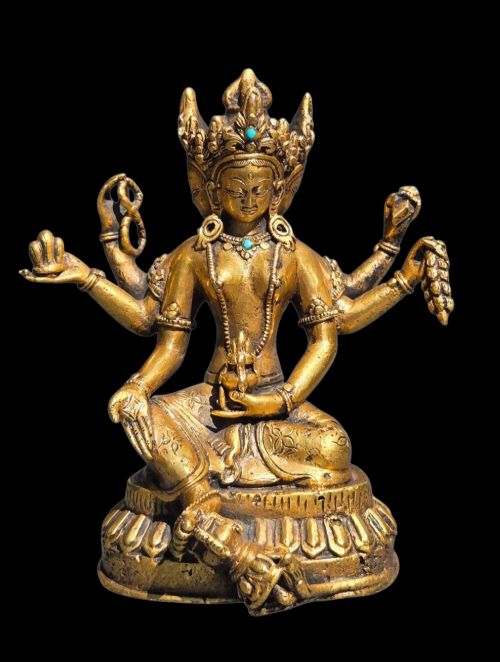
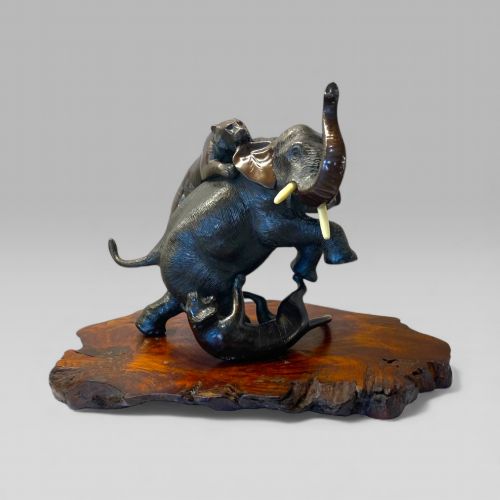
Oriental metalwork sculpture comprises figures, statues and shrines originating from Japan, China, Tibet, Burma and India. The selection leans heavily toward Japanese Meiji period bronzes depicting animals, birds and human subjects.
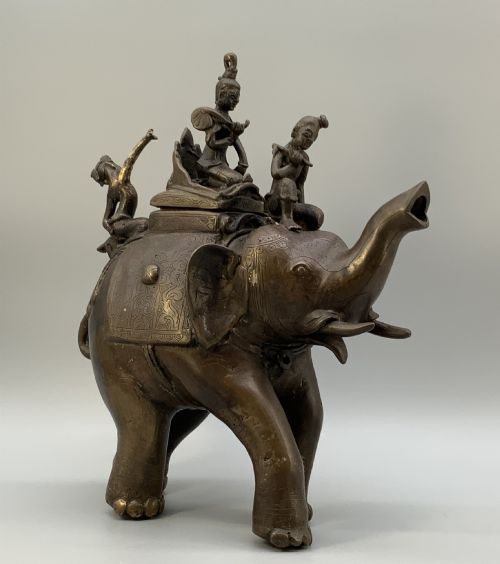
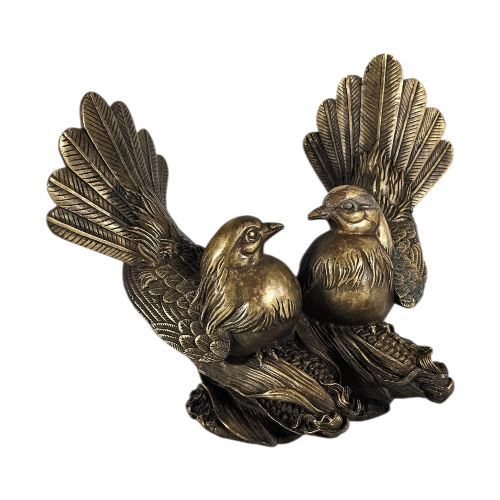
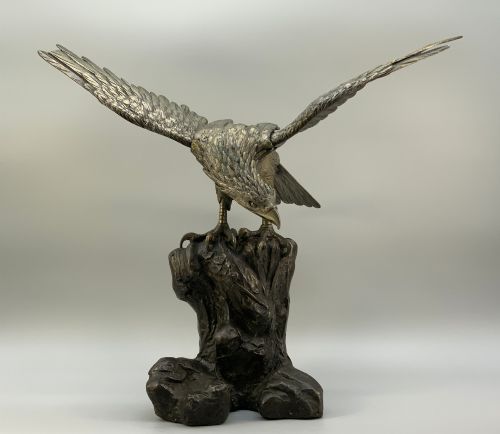
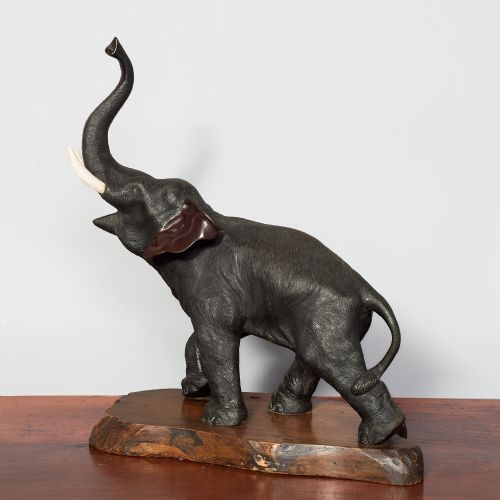
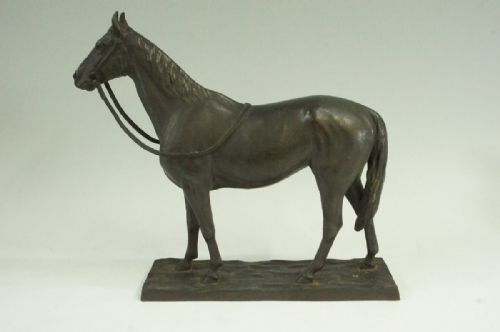
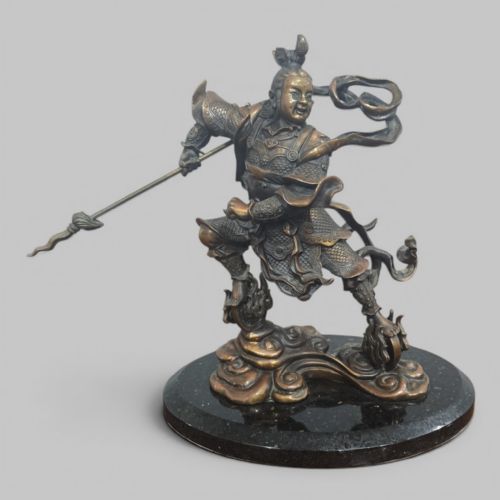
The forms range from small tabletop okimono and deity figures to large garden models and pairs of birds. Buyers encounter domestic animals like horses, elephants and water buffalo alongside mythological figures and Buddhist deities.
Pieces frequently date from the nineteenth century through the early twentieth century, reflecting the production of traditional foundries and workshops across Asia. Works vary from small single figures weighing under a kilogram to substantial multi-kilogram groups.
Materials and technique
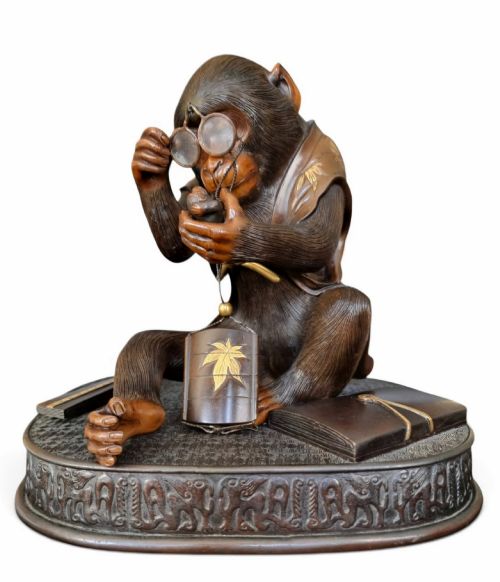
Foundries utilised bronze, brass and copper, often finishing surfaces with patination or silvering. Artisans also incorporated cloisonne enamel, gold inlay, bone, wood and turquoise to add colour and detail to the metal forms.
Techniques included lost-wax casting for intricate animal and human sculptures, alongside engraved surface work. Workshops also employed mixed-metal applications and shakudo to create tonal variations across the finished objects.
Oriental Metalwork Sculpture Retail Price Guide 2026
Typical asking prices for oriental metalwork sculpture among the pieces listed under this phrase on Sellingantiques today, from the lower quarter to the upper quarter. They describe what is for sale here now, not the wider market.
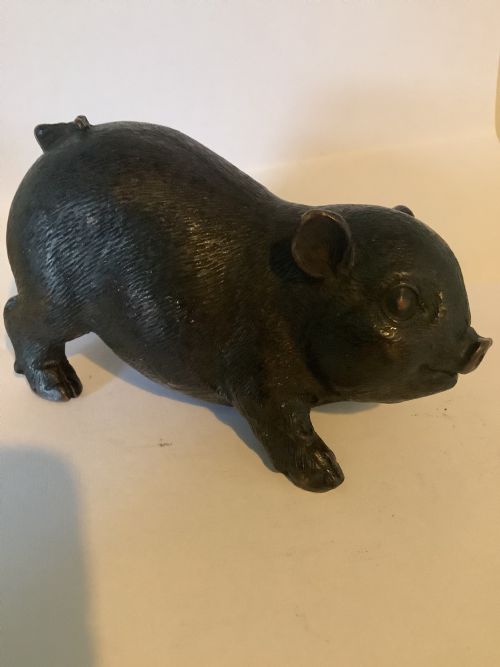
Foundries cast everything from fierce tigers and demons down to a tiny, charming bronze pig.
Factors of quality
Quality rests upon the crispness of the casting and the sensitivity of the chisel work in finishing feathers, fur and facial expressions. The depth and subtlety of the chemical patina also distinguish finer studio output from standard commercial production.
Signed works from notable makers or recognised foundries demonstrate superior mastery in composition and weight distribution. The integration of mixed metals, gold inlay or precious hardstone details elevates the execution of the piece.
Jomi Eisuke·Kunio Itô·Sakai Kōzan·Tsunemitsu
The Oriental Metalwork Sculpture Glossary
- Okimono
- A Japanese ornamental statue or display object intended for interior placement. These pieces typically depict animals, figures or mythical subjects.
- Meiji Period
- The era of Japanese history lasting from 1868 to 1912. Metalwork from this period is noted for technical virtuosity and realistic animal studies.
- Patination
- The applied or natural chemical coloration of a metal surface. Artisans use various solutions to produce deep brown, black or greenish tones on bronze.
- Shakudo
- A Japanese billon alloy of copper with a small amount of gold, treated to develop a dark purple-black patina. It appears in mixed-metal sculptures for contrasting colour.
- Cloisonne
- A technique where enamel paste is applied within compartments formed by soldered metal wires on a base. The object is then fired and polished flat.
Oriental Metalwork Sculpture: Frequently Asked Questions
How do I identify a Meiji bronze?
Meiji period bronzes date from the late nineteenth or early twentieth century and often depict naturalistic subjects like birds, tigers and elephants. They frequently display detailed patination and meticulous surface chasing.
Many bear signatures or foundry marks on the base, though unsigned works also exist from this prolific era of production.
Where were these sculptures made?
These works originate from across Asia, with significant numbers coming from Japanese foundries and Chinese workshops. Other pieces derive from Tibetan, Burmese and Indian traditions, often taking the form of religious deities.
Each region employed distinct metallurgical traditions, ranging from gilt bronze shrine figures to large secular garden bronzes.
How do I care for antique bronze?
Antique bronze requires minimal intervention and should only be dusted gently with a soft dry cloth. Avoid using commercial metal polishes, which can strip away the historical patina built up over generations.
Keep pieces away from direct moisture and extreme temperature fluctuations to preserve the stability of the metal and any inlay work.