


Qing Dynasty Sculpture
When you search for qing dynasty sculpture, you uncover carved jade, cast bronze, and detailed woodwork spanning centuries of imperial craftsmanship.
Qing Dynasty Sculpture
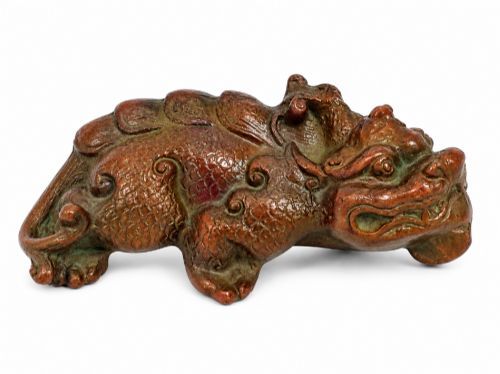
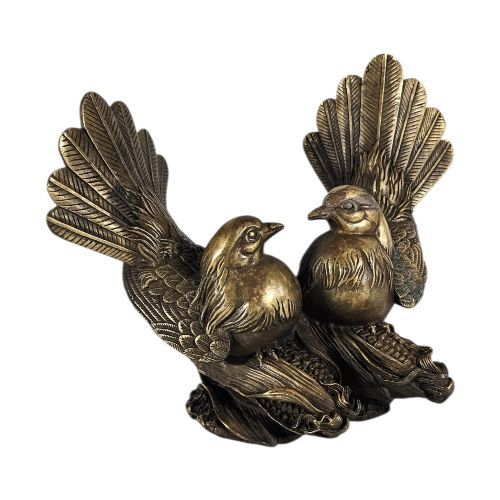
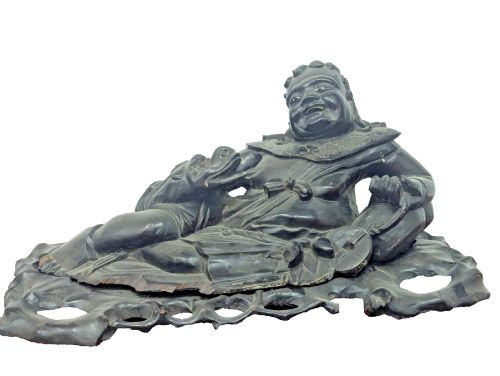
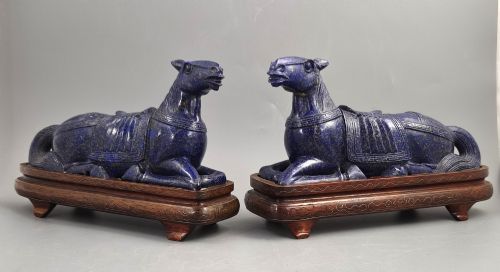
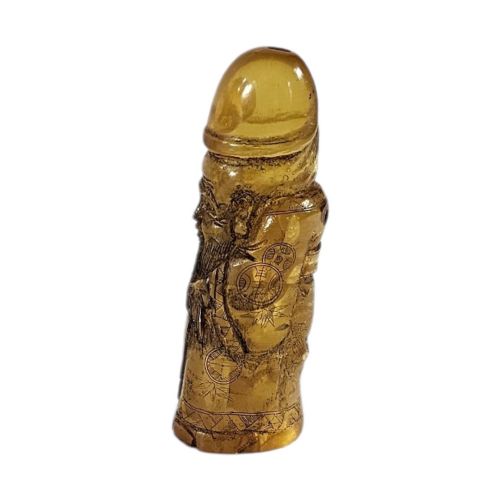
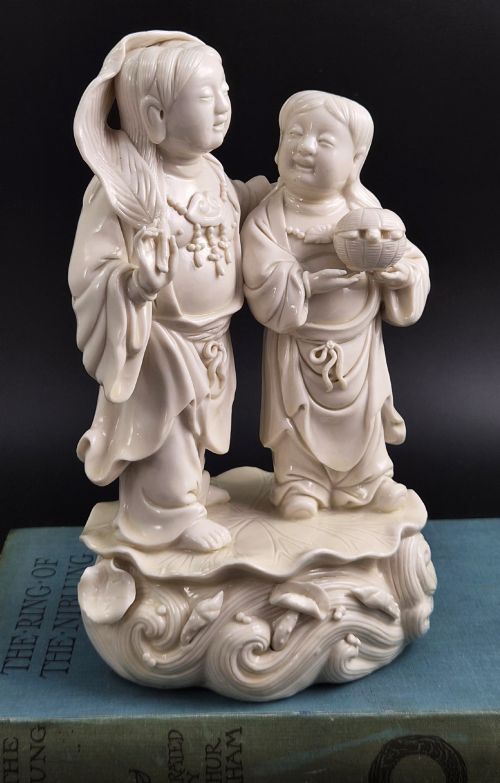
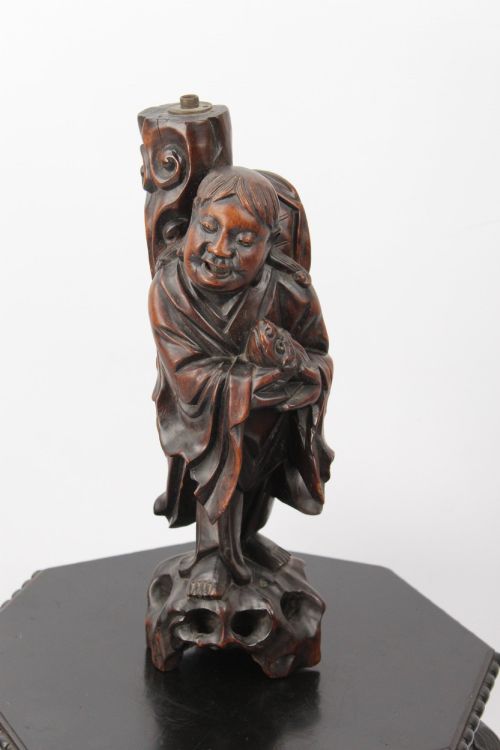
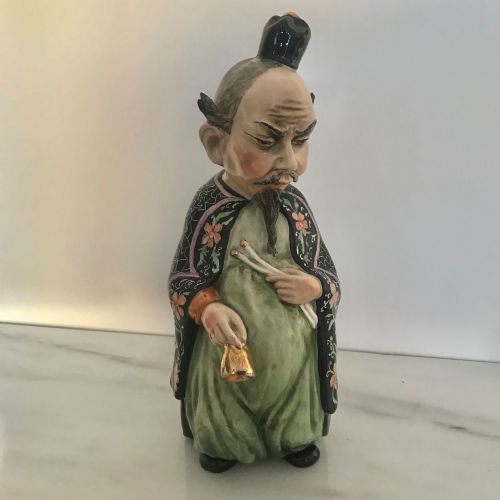
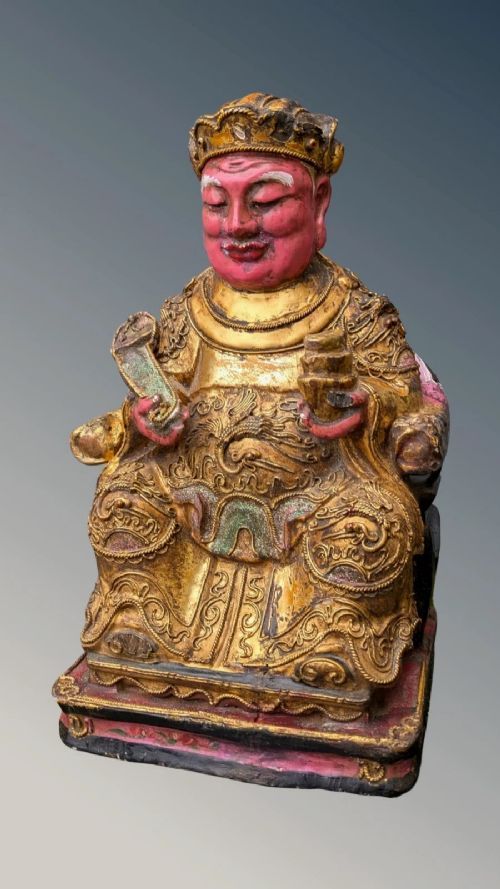
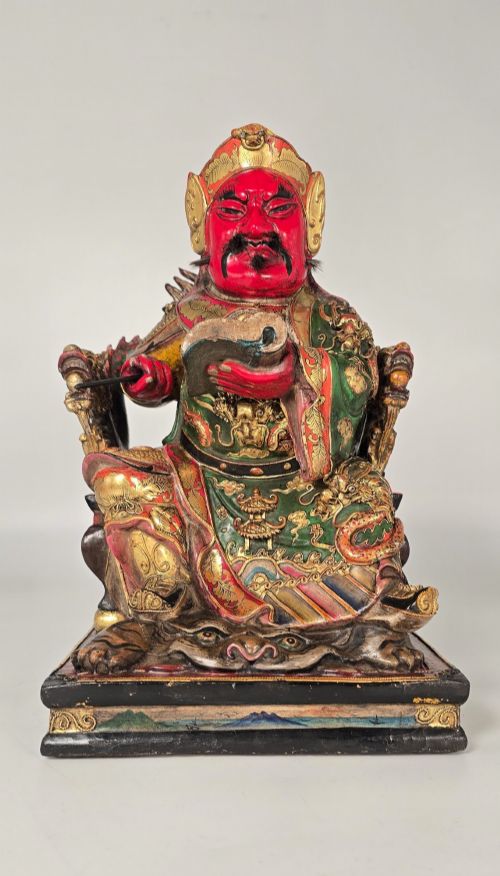
Objects catalogued under qing dynasty sculpture encompass both small scholar's desk items and monumental temple figures. Buyers encounter depictions of Daoist immortals, Buddhist deities, mythical beasts, and auspicious animals.
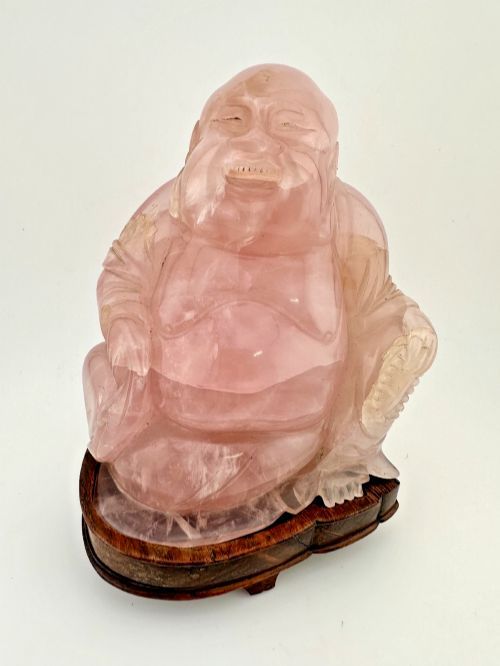
The material palette is remarkably varied, drawing on hardstones like jade and jadeite, alongside cast bronzes, various hardwoods, and painted porcelains. Pieces range from the eighteenth century through the late nineteenth century and into the early twentieth century.
Materials and Techniques
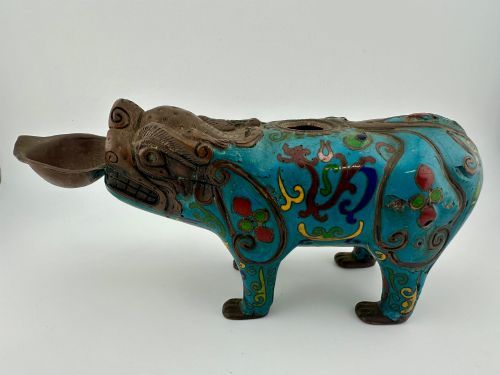
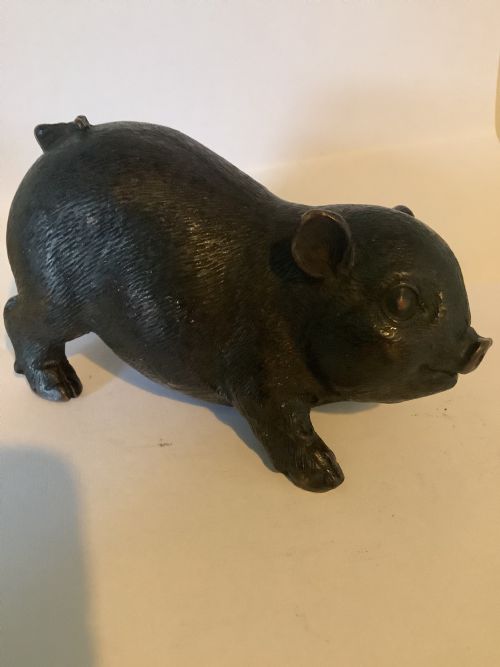
Metalworking traditions are represented by cast bronzes, occasionally accented with gilt or finished with specific apocryphal marks. Ceramic and porcelain sculptures relied on mould-forming or hand-shaping, followed by polychrome enamelling, hand-painting, or monochrome glazing before firing.
Qing Dynasty Sculpture Retail Price Guide 2026
Typical asking prices for qing dynasty sculpture among the pieces listed under this phrase on Sellingantiques today, from the lower quarter to the upper quarter. They describe what is for sale here now, not the wider market.
Several stone carvings depict modest scholars feeding geese or tending traps, proving that imperial-era deities occasionally took time off for farm chores.
Evaluating Quality
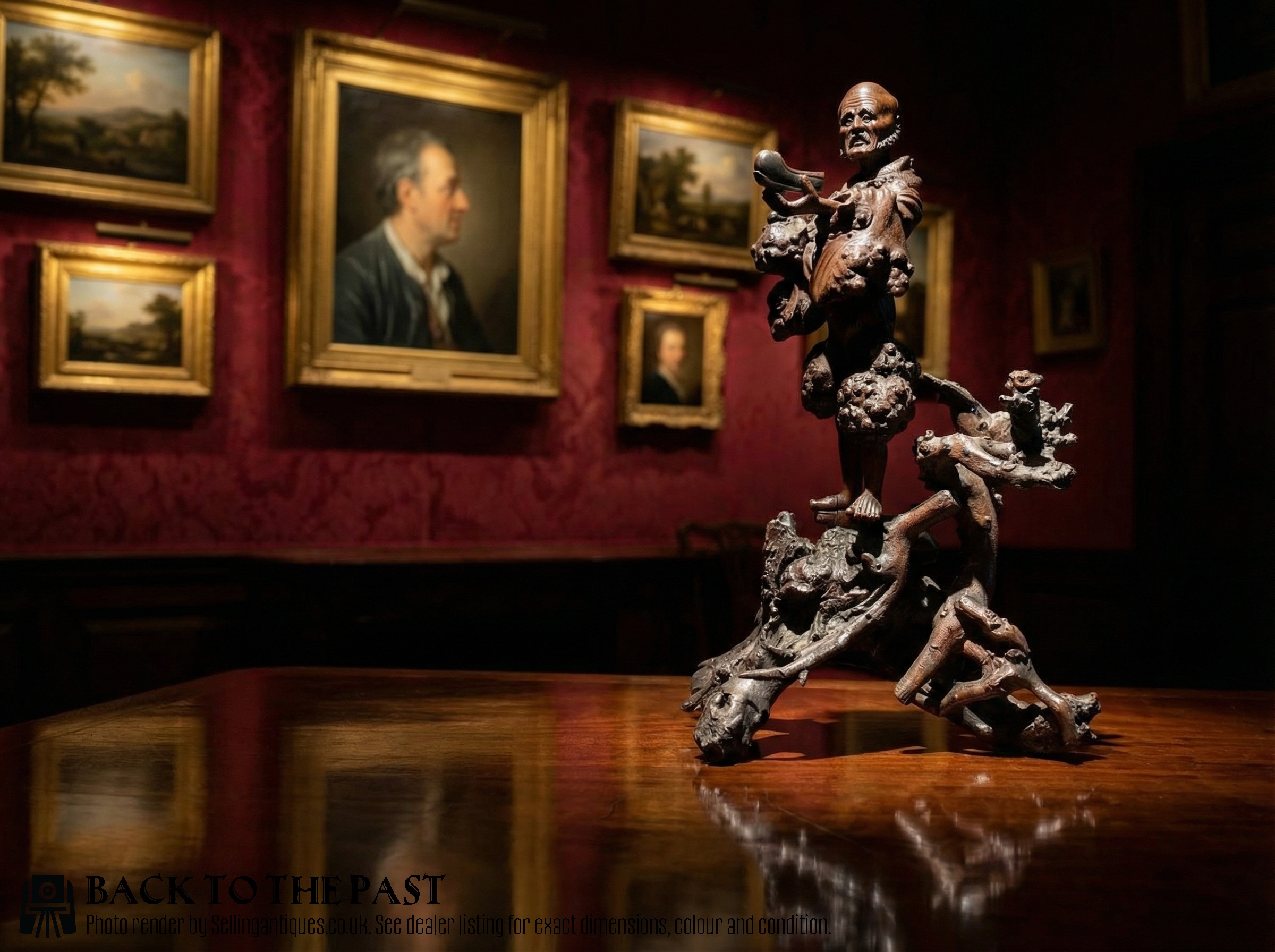
The distinction between standard items and superior works rests largely on the depth and confidence of the carving. Master carvers exploited the natural inclusions and grain of jade, hardwood, or stone to enhance the composition of the figure.
Proportion, anatomical accuracy, and the preservation of original polychrome paint or gilding heavily influence the standing of a piece. Finer examples display meticulous attention to secondary details such as facial expressions, finger placement, and fitted wooden bases.
The Qing Dynasty Sculpture Glossary
- Celadon
- A term for ceramics or jade exhibiting a pale green or grey-green translucent glaze or stone colour. This finish was highly prized by imperial workshops.
- Foo Dog
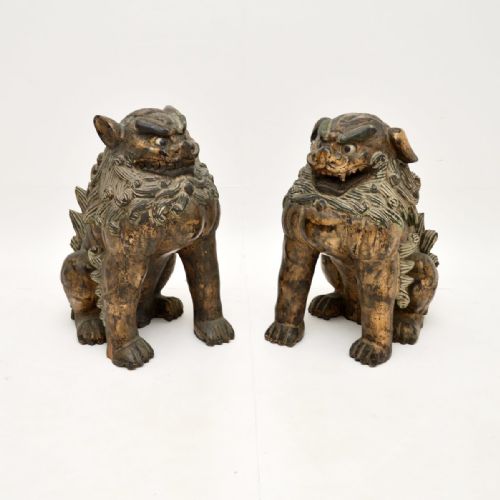
- A traditional architectural guardian lion, frequently depicted in pairs guarding doorways or sacred spaces. They appear carved in wood, stone, or rendered in porcelain.
- Shoulao
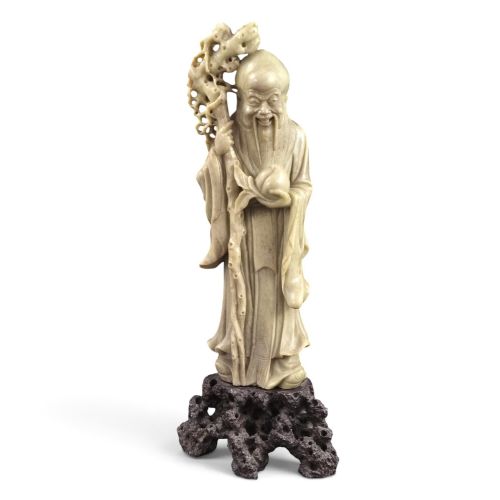
- The Daoist god of longevity, typically represented as an old man with an elongated forehead holding a peach and a staff. He is a frequent subject in carved soapstone and ivory.
- Sino-Tibetan
- A stylistic classification reflecting the artistic exchange between Chinese imperial courts and Tibetan Buddhism. These pieces are often cast in gilt-bronze depicting deities.
- Famille Verte
- A palette of green enamels supplemented by other colours used in Chinese porcelain decoration. It became prominent during the Qing period for figural and animal figures.
Qing Dynasty Sculpture: Frequently Asked Questions
How can I date a Qing dynasty sculpture?
Dating relies on examining the tool marks, material composition, wear patterns, and stylistic conventions associated with imperial or regional workshops. Specific reigns, such as the Qianlong period, often exhibit distinct aesthetic markers.
Changes in patina, wood shrinkage, and the formulation of ceramic enamels provide further clues for distinguishing eighteenth-century creations from late nineteenth-century examples.
Were these sculptures made for export or domestic use?
Objects associated with qing dynasty sculpture served multiple functions, ranging from scholarly contemplation in private studies to domestic shrines and imperial temple worship.
Some refined works were produced specifically for export trade through southern ports, while others remained within elite domestic circles for religious devotion or scholarly display.
How do I care for wooden and hardstone sculptures?
Wooden figures require stable indoor humidity levels to prevent cracking or warping of the timber or associated stands. Direct sunlight should be avoided to protect polychrome painted surfaces.
Hardstone carvings such as jade or serpentine are more durable but benefit from occasional dusting with a soft, dry cloth without chemical polishes.
What is the significance of animal figures in Qing art?
Animals frequently carried symbolic meanings representing longevity, wealth, protection, or scholarly success. Mythical beasts like the Pixiu or qilin were believed to ward off evil spirits.
Domestic and wild animals, including deer, elephants, horses, and fish, were selected for their auspicious homophones or associations with traditional folklore.