








19th Century Chinese Sculpture
19th century chinese sculpture brings together carved stone, jade, bronze, and root wood objects from the Qing dynasty and classical periods.
19th Century Chinese Sculpture
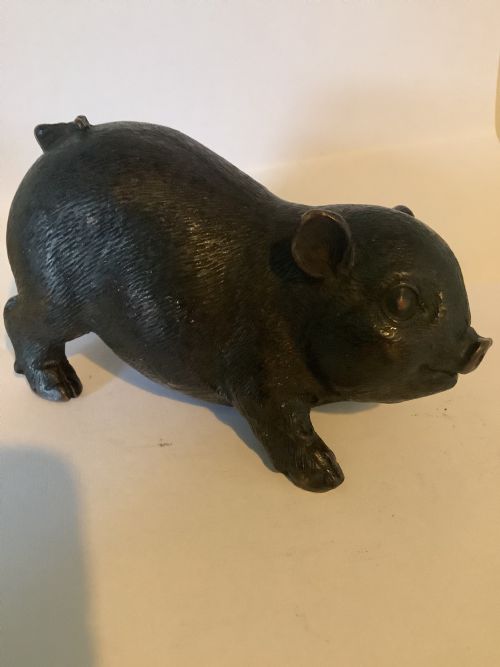
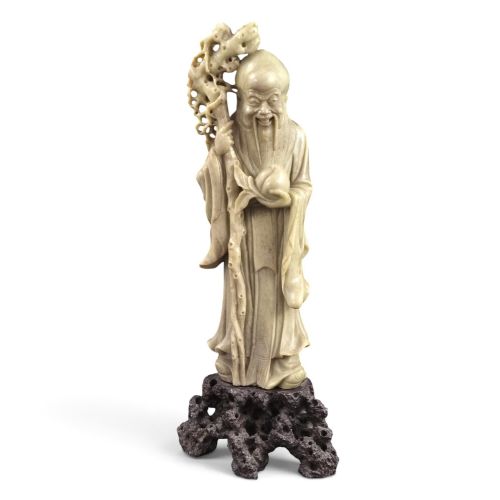
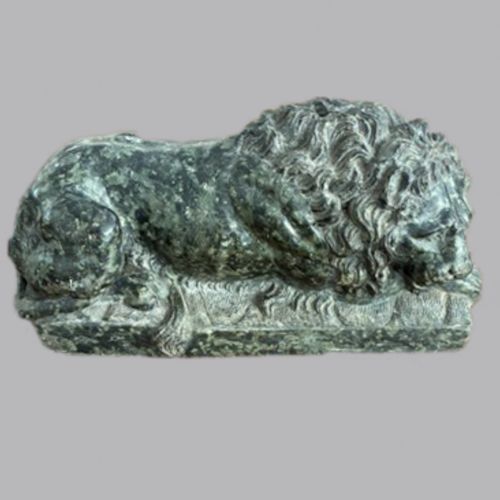
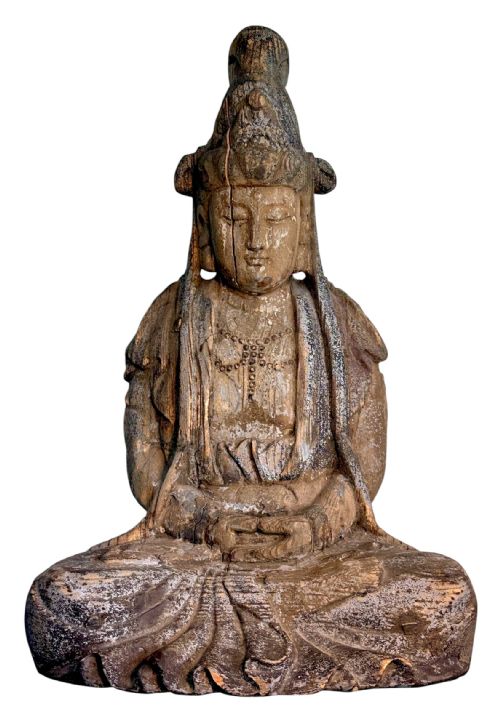
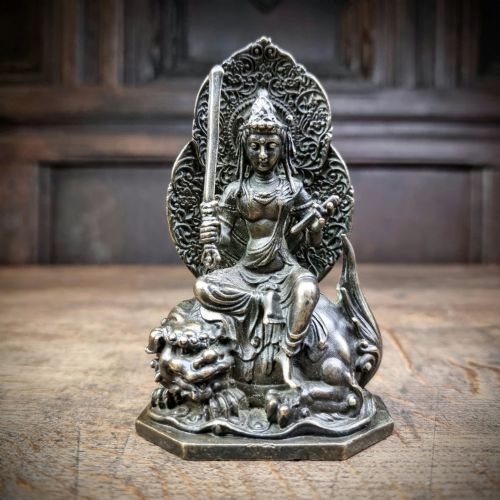
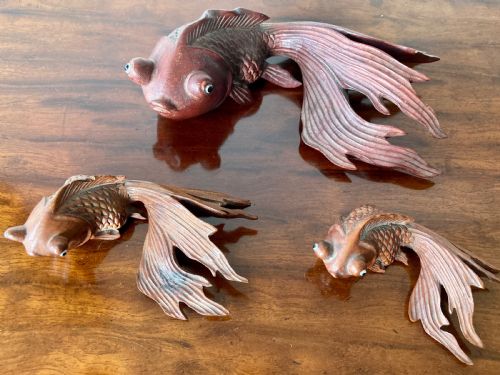
19th century chinese sculpture encompasses a diverse array of figures, animals, and ritual objects created during the Qing dynasty and classical periods. These works include figures of deities such as Guanyin and Buddha, Daoist immortals, mythical beasts, and detailed depictions of animals carved from various materials.
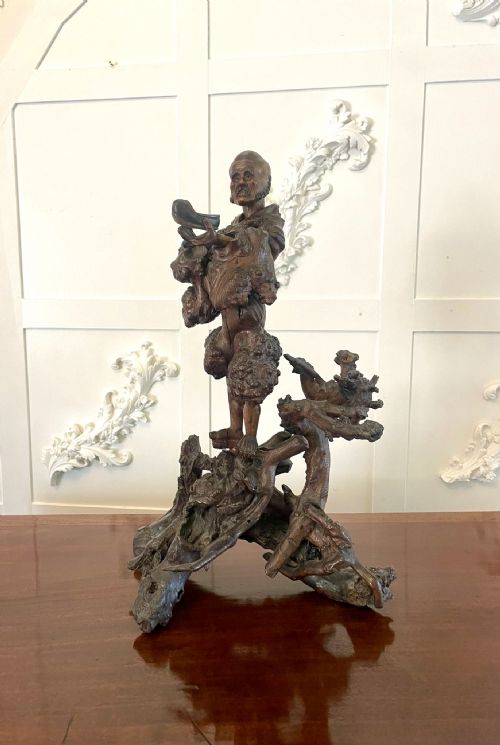
Buyers encountering this category will frequently discover hardwood and root wood carvings, alongside soapstone figures, jade and hard stone carvings, and bronze ritual pieces. Many of these items originate from the 1890s and the broader 19th century, reflecting traditional Chinese iconography and craftsmanship.
How They Were Made
Materials span organic mediums like hardwood, root wood, burr root, and bamboo, alongside mineral substances including soapstone, nephrite jade, celadon jade, marble, and stone. Artisans also utilised bronze, iron, and ceramics such as Shiwan pottery and porcelain with polychrome or gilt paint.
Techniques relied on meticulous carving, high-relief work, and detailed sculpting to shape natural root forms and dense stones into expressive figures and functional vessels. Polychrome painting, gilding, and surface patination were frequently applied to wood, stone, and metal to enhance visual depth.
19th Century Chinese Sculpture Retail Price Guide 2026
Typical asking prices for 19th century chinese sculpture among the pieces listed under this phrase on Sellingantiques today, from the lower quarter to the upper quarter. They describe what is for sale here now, not the wider market.
Listings demonstrate a strong presence of hardwood and root wood carvings alongside mineral mediums like soapstone and nephrite jade.
What Varies in Quality
Quality rests upon the precision of the carving, the complexity of the subject, and the natural character of the chosen material. Masterful handling of difficult mediums, such as hard jade, dense hardwood, or intricate root wood, distinguishes superior examples from simpler production.
The preservation of original painted or gilt surfaces on wood and clay figures contributes significantly to the integrity of a piece. Well-defined facial expressions, balanced proportions, and a rich, natural patina elevate individual sculptures within the broader range.
The 19th Century Chinese Sculpture Glossary
- Qing Dynasty
- The final imperial dynasty of China, lasting from 1644 until 1912. Much of the sculpture from this era reflects established imperial and folk traditions.
- Guanyin
- A revered bodhisattva associated with compassion, frequently depicted in Chinese sculpture carved from wood, stone, or cast in bronze.
- Celadon Jade
- A specific variety of jade exhibiting pale green or grey-green tones, highly prized for intricate carvings and ritual objects.
- Root Wood
- A material formed from the twisted roots of trees, utilised by artisans to create organic figures and stands that embrace the natural grain.
- Foo Dog
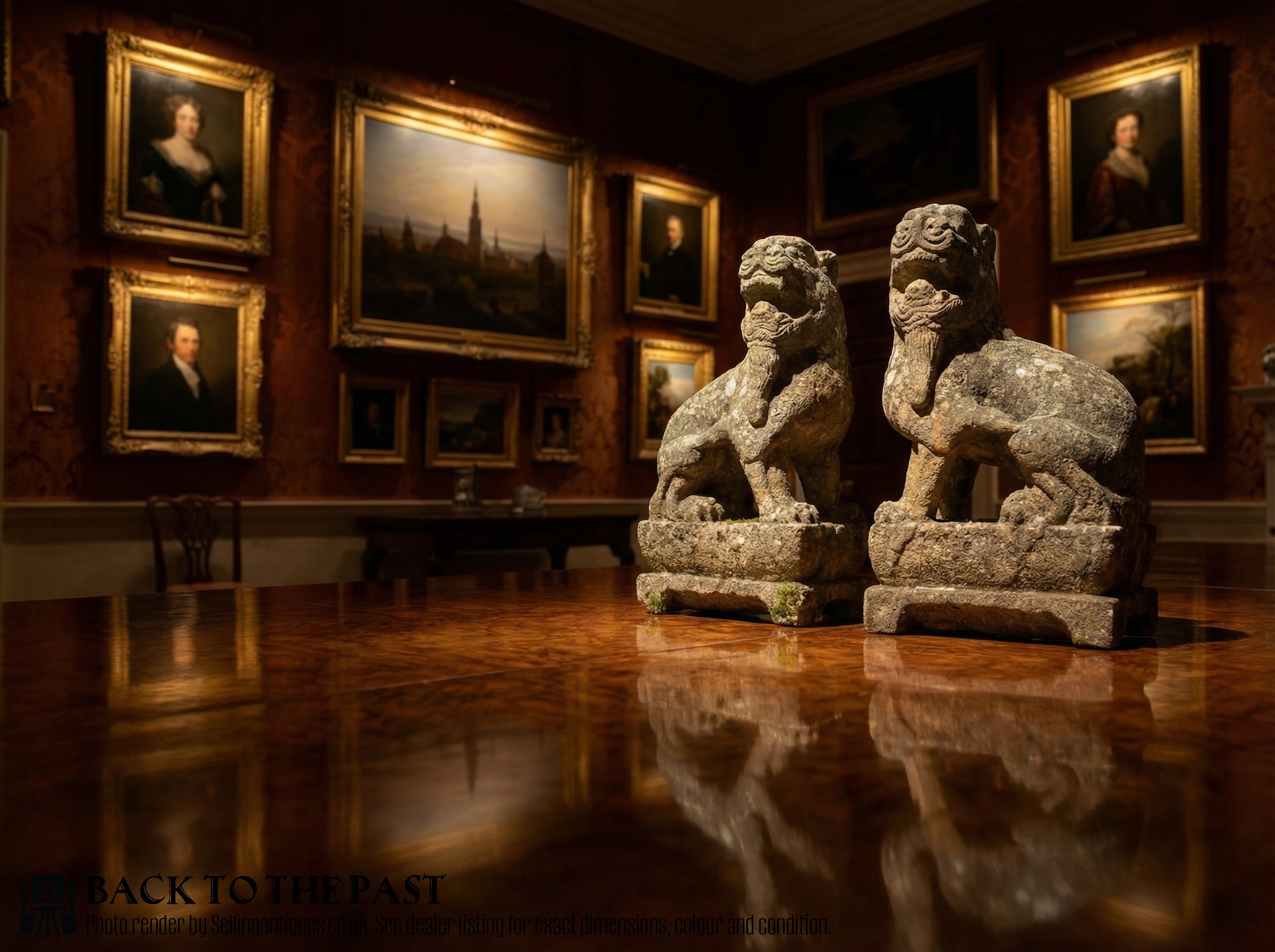
- Traditional guardian lions placed to protect sacred spaces, commonly rendered as pairs in stone, bronze, or ceramic.
19th Century Chinese Sculpture: Frequently Asked Questions
How do I identify a Qing dynasty piece?
Qing dynasty pieces span the 19th century and often exhibit traditional iconography such as Daoist immortals, Buddhist deities, and mythical beasts. Stylistic markers include classical carving techniques and period-specific materials.
Examining the natural patina on wood or the tool marks on stone helps connect the object to its historical period.
Where were these sculptures displayed?
Many of these sculptures served devotional, ritual, or decorative purposes within homes, temples, and scholars' desks. Figures like Guanyin and Buddha held religious significance, while root wood stands and brush washers served functional roles.
Animals and mythical figures were often placed for symbolic protection or aesthetic enjoyment in interior spaces.
How should I care for wooden and stone sculptures?
Wooden and root wood carvings benefit from stable indoor humidity levels to prevent the wood from drying out or splitting. Dusting gently with a dry cloth helps preserve the natural patina and surface finish.
Stone and jade pieces require minimal maintenance beyond careful handling and occasional cleaning with a soft, dry cloth.