

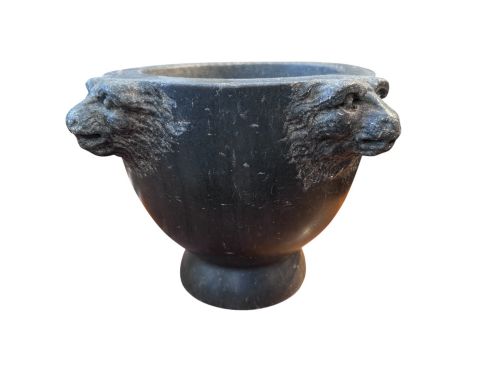


Antique Stone Lions
Antique stone lions bring classical authority to a garden or hall, offering substantial presence through enduring figures carved or cast across the centuries.
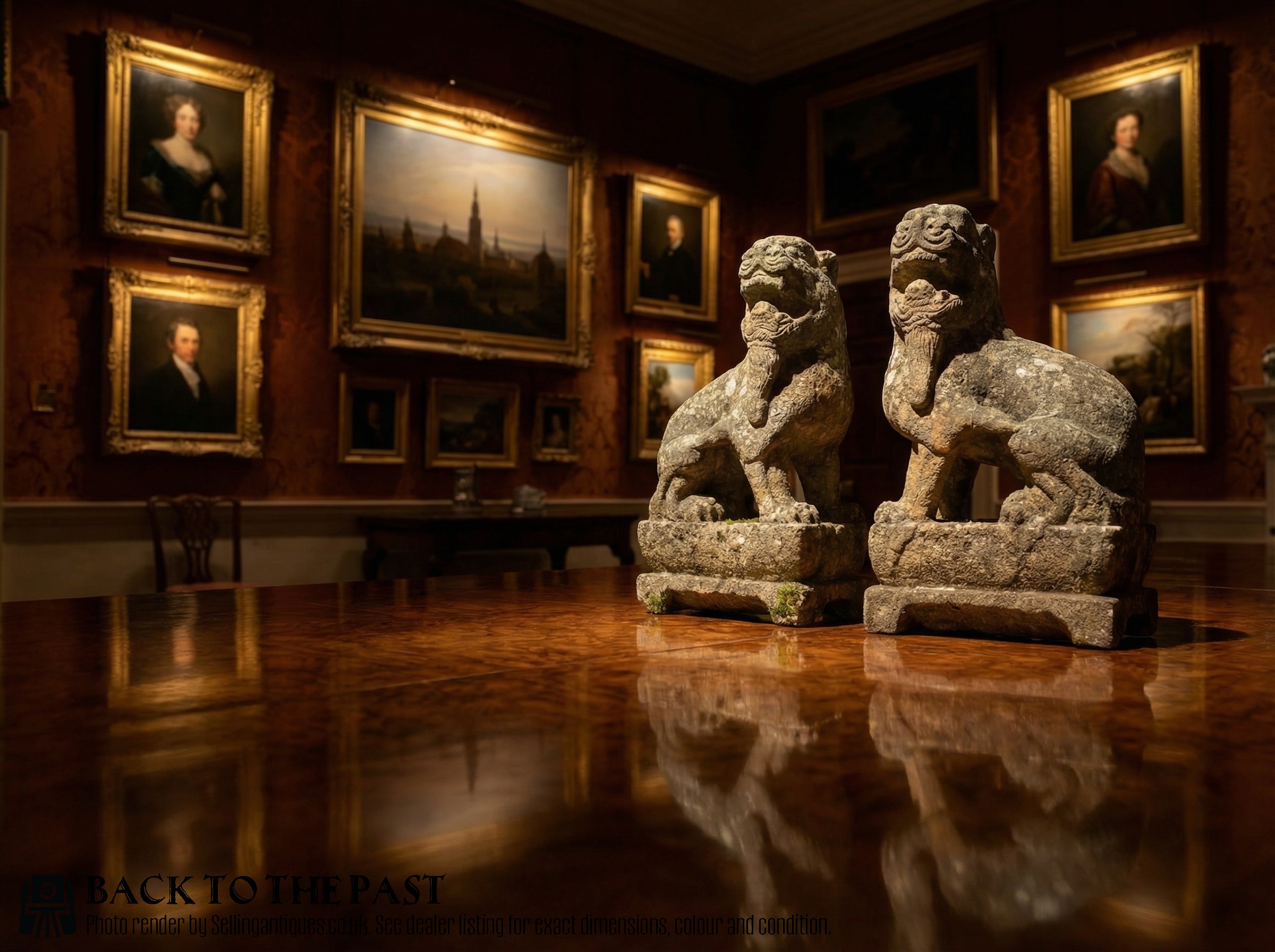
Antique Stone Lions
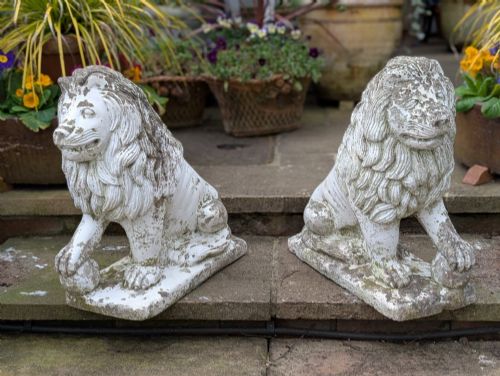
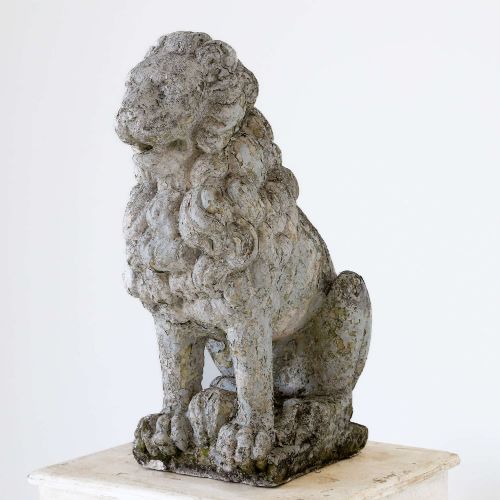
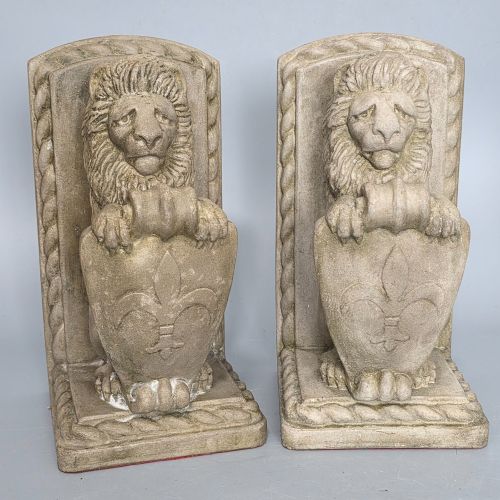
Antique stone lions encompass garden statuary, architectural salvage, and interior sculptures shaped from the eighteenth century to the mid-twentieth century. Buyers searching for antique stone lions encounter monumental garden pairs alongside smaller decorative objects like bookends and desk seals.
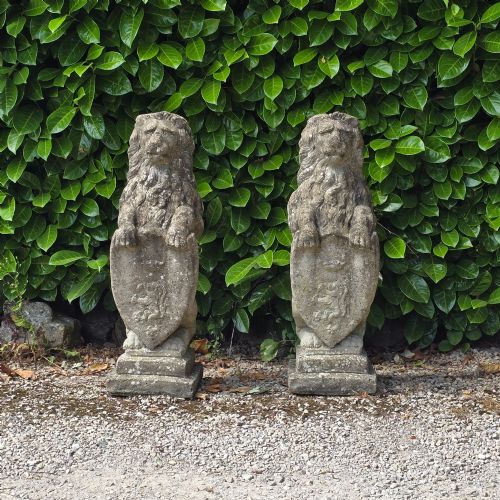
Originating from English country houses, French provincial settings, and Italian workshops, these sculptures reflect diverse regional interpretations of classical form. Most examples present as pairs intended for gates, piers, or terrace flanks.
How they were made
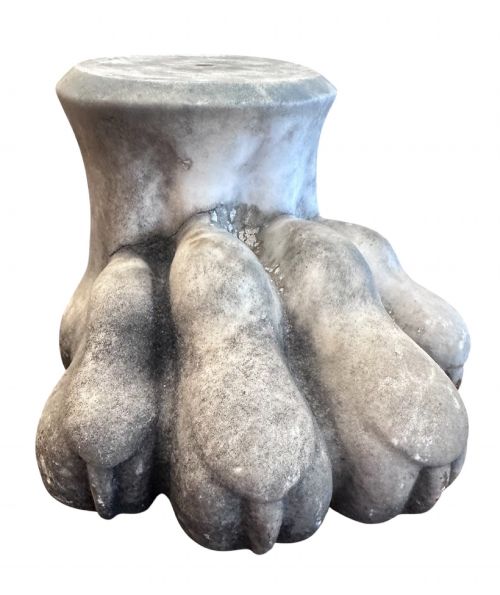
Makers shaped these pieces from natural materials including marble, soapstone, alabaster, basalt, and terracotta, employing traditional hand-carving methods. Sculptors used varieties such as Carrara, Sienna, and Hualien green marble to achieve fine detail and varied colour in classical figures.
Later nineteenth and twentieth-century examples utilise cast materials such as reconstituted stone, composite stone, and salt-glazed pottery. These cast forms allowed workshops to replicate monumental garden statuary using durable aggregate mixtures.
Listings feature pieces spanning from the seventeenth century through to the mid-twentieth century, encompassing marble, terracotta, alabaster, and stone.
What varies in quality
Material selection dictates the definition achievable in the finished sculpture, with fine-grained marbles and dense stones retaining crisp lines over generations of weathering. Surface patination, original paint remnants, and natural weathering deepen the visual character of the stone.
The Antique Stone Lions Glossary
- Recumbent
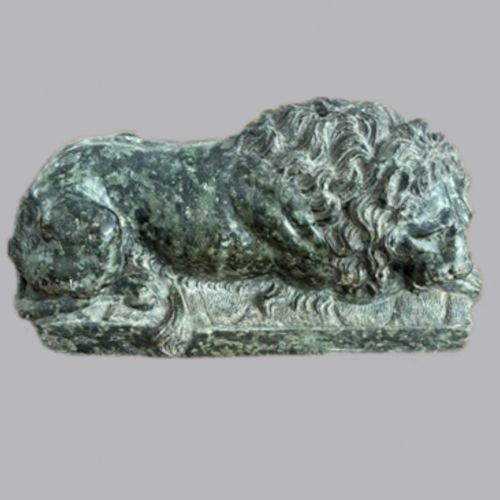
- Lying down or resting with the head raised. This posture is common in classical guard figures designed for hearths or low terraces.
- Serpentine
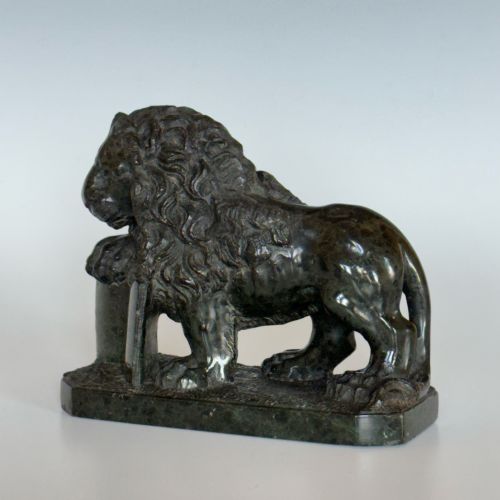
- A dark green, mottled mineral resembling snake skin, often utilised for Grand Tour carvings. Italian workshops favoured this material for small-scale classical replicas.
- Finial
- An ornamental architectural feature placed at the apex of a gate post, wall, or pier. Lion finials served as protective guardians for entrances.
- Campana
- A bell-shaped vessel form associated with classical urns. These are frequently carved in marble alongside companion lion sculptures.
- Shi Shi
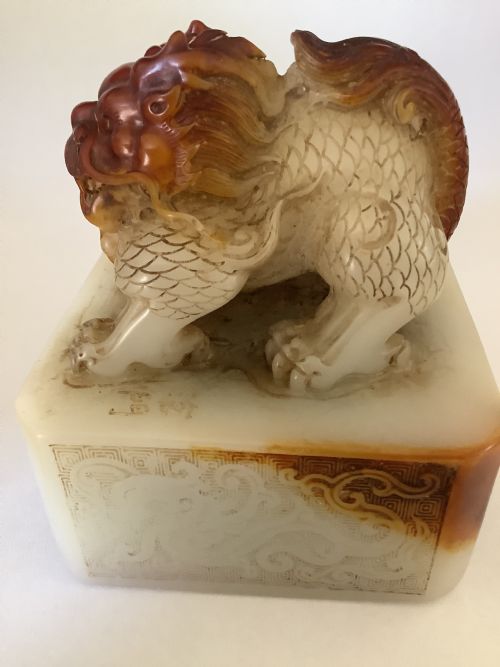
- A traditional East Asian guardian lion, also known as a Foo Dog. These figures appear in soapstone and jade marble carvings and bookends.
Antique Stone Lions: Frequently Asked Questions
Where should I place an antique stone lion?
Large standing or recumbent garden lions suit terrace flanks, entrance gates, and garden walls where weather-resistant stone patinates naturally over time. Smaller marble or soapstone pieces function well indoors on console tables, desks, or mantels.
Pair arrangements look best framing a formal pathway or anchoring the ends of a architectural planting scheme. Interior versions anchor bookshelves or serve as striking desk ornaments.
How do I distinguish stone from reconstituted stone?
Natural stone displays unique veining, crystalline structure, and tool marks left by the carver's chisel across the surface. Reconstituted and composite stone show a uniform aggregate matrix and lack the deep hand-carved undercut details found in marble.
Closer inspection under good light reveals the absence of natural mineral inclusions in cast pieces. Natural stone also feels colder to the touch and reacts differently to moisture.
What is a Grand Tour lion?
Grand Tour lions are smaller-scale replicas of famous classical monuments, such as the Lion of Saint Mark or Canova lions, carved in Italy during the nineteenth century. Wealthy travellers purchased these souvenirs to commemorate their educational journeys across Europe.
These pieces usually feature fine marbles like serpentine or Carrara and exhibit exceptional attention to anatomical detail. They bring a scholarly, neoclassical aesthetic to interior spaces.
How do I care for an outdoor stone lion?
Outdoor sculptures require minimal maintenance, relying on gentle washing with water and a soft brush to remove accumulated moss or dirt. Avoid harsh chemical cleaners and pressure washers that strip away historic patination and erode the stone surface.
In freezing weather, ensure heavy stone figures stand on feet or timber blocks to prevent moisture absorption from the ground causing frost damage.